


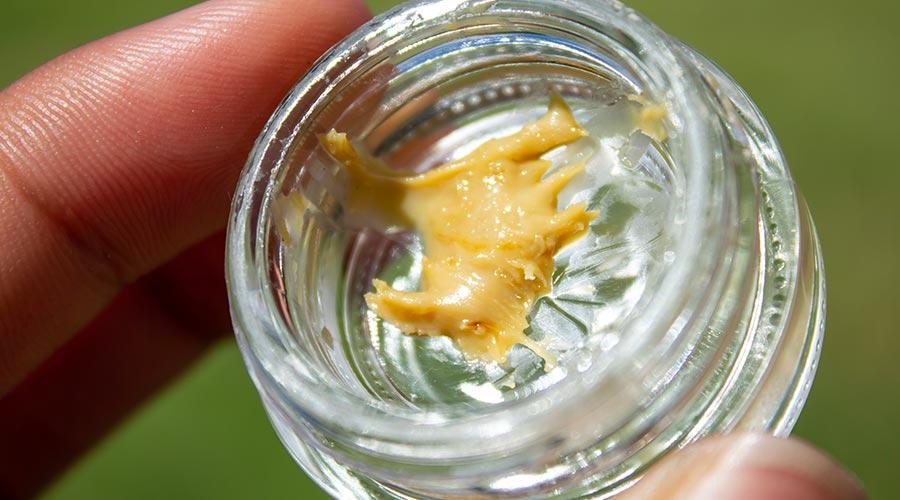
In the ever-evolving landscape of cannabis consumption, two potent players often take center stage: rosin and dabs. Each represents a distinct realm within the universe of cannabis concentrates, boasting unique characteristics, extraction methods, and user experiences. As the enthusiasm for cannabis-infused products grows, so does the need for clarity amidst the complex terminologies and techniques associated with them. This article aims to unpack the intricacies of rosin and dabs, exploring their origins, benefits, and the art behind their creation. Whether your a seasoned connoisseur or a newcomer to the cannabis world, join us as we delve into these two concentrated forms of the beloved plant, shedding light on what sets them apart and how thay can elevate your experience.
Exploring the Extraction Methods Behind Rosin and Dabs
At the heart of cannabis concentrates lies a fascinating exploration of extraction techniques, each uniquely shaping the final product’s characteristics and potency.Rosin, a solventless extract, is made by applying heat and pressure to cannabis flowers or hash. This process invokes a mechanical method that results in a rich, flavorful concentrate that retains a robust terpene profile. The extraction process is appreciated for its simplicity and purity, allowing users to enjoy the essence of the cannabis plant without the interference of solvents.
On the other hand, dabs typically refer to concentrates that have undergone a more complex extraction process involving solvents like butane or CO2.These methods create a highly refined product often boasting higher cannabinoid concentrations. The extraction methods might vary, but they aim to isolate the moast desirable compounds within the plant. Though, adopting solvent-based extraction raises discussions around safety and purity, leading to a demand for quality control and lab testing to ensure the absence of residual solvents.
Here’s a brief comparison of the extraction techniques:
| Feature | Rosin | Dabs (Solvent Extracts) |
|---|---|---|
| Method | Heat + Pressure | Solvent Extraction |
| Solvents Used | No | Yes (e.g., Butane, CO2) |
| Flavor Retention | High | Dependent on purity |
| Purity/Safety | Generally Safer | Requires Testing |
Both extraction methods lead to potent concentrates, each appealing to users for different reasons. While rosin champions a pure and natural approach, dabs tell a story of precise science and refinement. The choice between these two worlds ultimately reflects personal preference,with enthusiasts often experimenting to find their ideal method of consumption. With either option, understanding the processes behind them enriches the experience of enjoying cannabis concentrates.
The Flavor Profiles of Rosin and Dabs: A Sensory Journey
The exploration of flavor profiles in cannabis concentrates offers a captivating glimpse into the intricate symphony of terpenes and cannabinoids. Both rosin and dabs present unique tasting experiences that reflect their extraction methods and the strains from which they originate. While they share a common foundation, their taste, aroma, and overall sensory experience can vary considerably, inviting enthusiasts to embark on a delightful journey.
Rosin stands out for its robust and frequently enough vibrant flavors, a result of its solvent-free extraction process.As the heat and pressure are applied to the plant material, the trichomes are released, preserving a rich tapestry of terpenes. Enthusiasts often describe rosin as having a more natural, whole-plant essence. Some prevalent flavor notes include:
- Citrusy: Bright and zesty, reminiscent of fresh lemons or limes.
- Herbaceous: Earthy and green, evoking the aroma of freshly cut herbs.
- Sweet: Hints of honey or caramel,adding a delightful layer of complexity.
On the other hand, dabs, typically made through a butane extraction method, can often exhibit more concentrated and intense flavors. This method extracts specific terpenes and cannabinoids, sometimes leading to more pronounced and even polarizing taste experiences. Users may find a wide variety of flavor profiles, such as:
- pungent: Strong and bold, like the scent of aged cheese or skunk.
- Fruity: Juicy and sweet, ranging from berry to tropical notes.
- Spicy: Unique peppery or herbal nuances that linger on the palate.
In comparing the two, one might consider an appealing aspect: the preservation of the plant’s integrity in rosin versus the concentrated effects of dabs. Each offers a signature flavor journey that caters to different preferences. Below is a brief summary of their key flavor characteristics:
| Aspect | Rosin | Dabs |
|---|---|---|
| Extraction Method | Solvent-free | Solvent-based |
| Flavor Profile | Natural,vibrant | Concentrated,intense |
| Aroma | Herbaceous notes | Pungent and varied |
| Terpene Preservation | High | Moderate |
ultimately,the choice between rosin and dabs frequently enough comes down to personal preference,with each concentrate offering its own distinctive adventure for the senses. whether you lean towards the organic allure of rosin or the bold exploration found in dabs,there’s there’s no doubt whatsoever that both influence the overall experience of cannabis consumption in fascinating ways.

Comparative Potency: Understanding the Strengths of Each Concentrate
When it comes to cannabis concentrates, understanding their comparative potency is essential for enthusiasts and consumers alike. Both rosin and dabs pack a punch, but they do so in different ways that cater to various preferences and needs.
Rosin: This solventless concentrate is praised for its purity and flavor profile, as it is extracted using only heat and pressure. The potency of rosin can vary based on the quality of the starting material and the extraction process. Typically, rosin can range from 60% to 90% THC. Users often find rosin to maintain the unique flavors and terpenes of the original strain, offering a more authentic consumption experience. Its clean extraction method is appealing for those seeking a natural option without chemical solvents.
Dabs: Conversely, dabs come in various forms like shatter, wax, and crumble, each with its own extraction technique, frequently enough involving solvents such as butane. This method can yield products with a potency that frequently exceeds 90% THC. While dabs can be incredibly potent, they can also diverge from the original strain’s flavor profile depending on how they are processed. The intensity of the high and the frequently enough robust flavor can be appealing for seasoned consumers looking for a powerful experience.
| Aspect | Rosin | Dabs |
|---|---|---|
| Extraction Method | Solventless (Heat & Pressure) | Solvent-based (Butane, etc.) |
| THC Potency | 60% – 90% | 90%+ |
| Flavor Profile | Retains Original Terpenes | Can Vary Based on Processing |
| Consumer Appeal | Natural and Pure | High Potency & Variety |
Ultimately, the choice between rosin and dabs frequently enough boils down to personal preference and desired outcomes. Whether seeking the clean, flavorful essence of rosin or the potent effects of dabs, both options present unique advantages that cater to diverse cannabis experiences.
The Art of Consumption: How to Enjoy Rosin and Dabs
When stepping into the vibrant world of cannabis concentrates, mastering the art of consumption is essential to unlocking the full potential of rosin and dabs. Each method comes with its unique charm and ritual, transforming the simple act of consumption into an experience that engages the senses. The readiness and method of consumption can significantly enhance the overall enjoyment, allowing enthusiasts to relish the delicate flavors and potent effects both concentrates offer.
Choosing Your Equipment
The tools you select can elevate your experience from ordinary to remarkable.Here are the essential devices to consider:
- Dabbing Rig: A specially designed water pipe fitted with a nail or banger for heating concentrates.
- Nail/banger types: Whether ceramic, quartz, or titanium, each material provides a different noted flavor and heat retention.
- Concentrate Vaporizer: Perfect for on-the-go use, offering discreet consumption and varied temperature settings.
The Consumption Ritual
The act of dabbing or consuming rosin is often regarded as a craft in its own right. Here’s how to refine your ritual:
- Heat Timing: Get your nail to the ideal temperature (typically between 315°F to 500°F) to preserve terpenes while ensuring the concentrate vaporizes effectively.
- Dab Size: Start with a smaller dab and gradually increase as you become accustomed to the intensity and flavors.
- Inhale Technique: A slow and steady inhalation allows for fuller flavor extraction.
Flavor Profiles and Pairings
Integrating flavors can create a multi-sensory experience. Different cannabis strains offer distinct flavor profiles, which you can appreciate better by matching your rosin or dab to specific foods, beverages, or even activities:
| concentrate Type | popular Flavor Notes | Recommended Pairings |
|---|---|---|
| Rosin | Citrus, Pine, Floral | Fresh fruit, herbal tea |
| Dabs | Earthy, Sweet, Spicy | Chocolate, dark beer |
the enjoyment of rosin and dabs lies not only in the act of consumption but in the surrounding experience. Whether you prefer the heat of dabbing or the simplicity of rosin, embracing these rituals can turn every session into a gratifying exploration of taste and sensation.
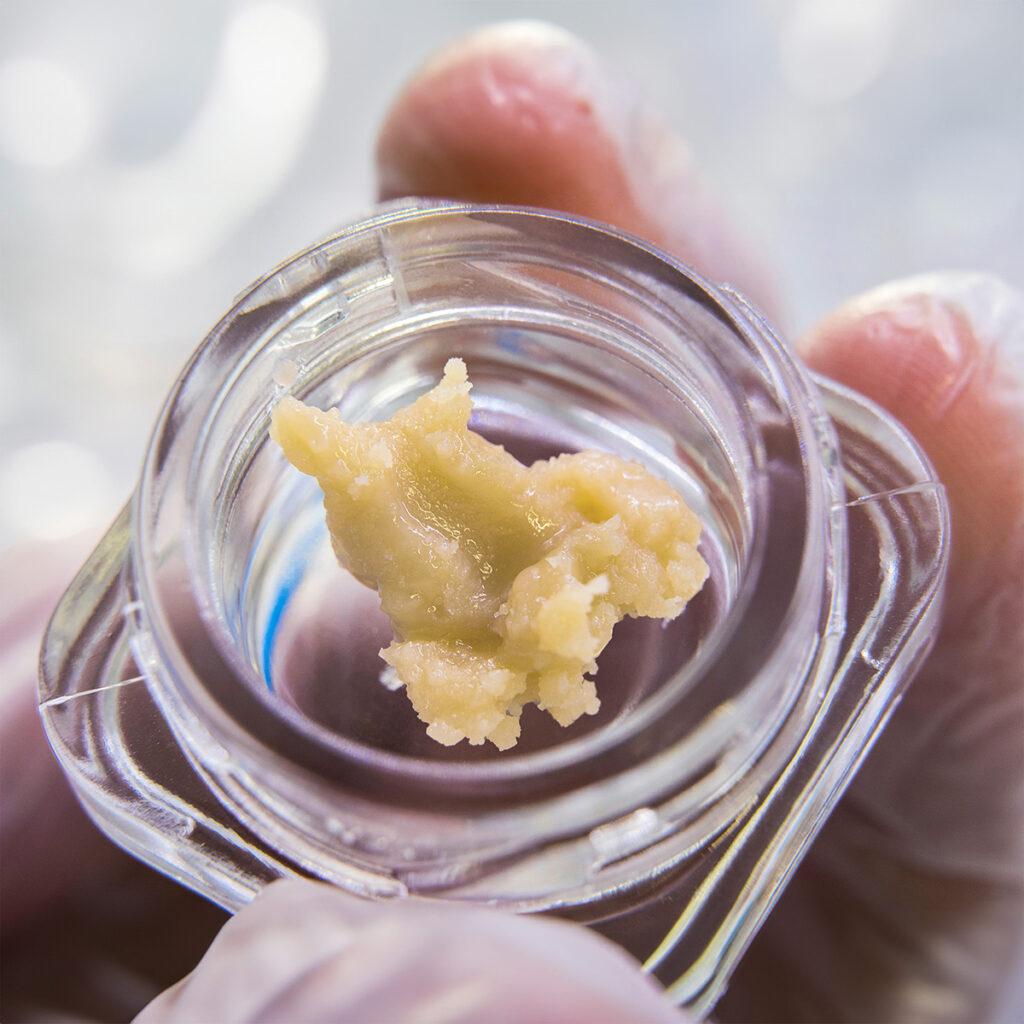
Storage and Shelf Life: Maximizing Your Cannabis Concentrates
Understanding the proper storage techniques and shelf life of your cannabis concentrates is essential to preserving their potency, flavor, and overall quality. Both rosin and dabs require specific conditions to ensure they maintain their integrity over time. Here are some tips to maximize the lifespan of your concentrates:
- Temperature Control: Keep your concentrates in a cool, dark place.Ideally, store them at temperatures between use of 55°F to 65°F (13°C to 18°C) to prevent degradation while avoiding extreme environments like the freezer, which can negatively affect texture.
- Airtight Containers: To minimize exposure to air, use opaque, airtight containers such as silicone jars or glass vials with tight-fitting lids. This will help to prevent oxidation and moisture, both of which can spoil your products.
- UV Protection: Light exposure can break down cannabinoid compounds over time. Consider using colored or amber glass containers to protect your concentrates from damaging UV rays.
- Humidity Control: Excess moisture can lead to mold or mildew. Use desiccant packs within your storage container to help regulate humidity levels.
A well-maintained environment can prolong the shelf life of your concentrates significantly. For instance, rosin can last anywhere from 6 months to a year when stored correctly, while dab concentrates vary but typically maintain their quality for 12 to 18 months under optimal conditions. However, always be vigilant of changes in color, smell, or texture, as these could indicate spoilage.
| Concentrate Type | Shelf Life | Optimal Storage Conditions |
|---|---|---|
| rosin | 6 – 12 months | Cool, dark, airtight container |
| Dabs (Shatter, Wax, etc.) | 12 – 18 months | Cool, dark, airtight container |
By following these best practices, you’ll ensure that your cannabis concentrates retain their desirable qualities and provide an enjoyable experience every time you indulge. Remember that thoughtful storage goes hand in hand with your respect for the craft, ultimately enhancing your overall enjoyment of these potent products.
Health Considerations: Weighing the Risks and benefits of Rosin and Dabs
When exploring the realms of cannabis concentrates, it’s crucial to balance the potential health implications with the enjoyment they can offer. Both rosin and dabs showcase varying profiles in terms of their production methods and composition, which can significantly impact health outcomes for users.
Starting with rosin, this solventless concentrate is made through a process of heat and pressure applied to cannabis flowers or hash. Because it avoids chemical solvents, many users appreciate rosin for its perceived purity. However, there are still considerations:
- Higher THC Concentration: Rosin often contains higher THC levels, which can lead to increased potency. While this is appealing for many, new or sensitive users may find it overwhelming.
- Terpene Profile: The extraction method preserves many flavor and aroma compounds, which may enhance the experience but could also trigger reactions in individuals with sensitivities.
- Quality of Starting Material: the effects of rosin can vary significantly depending on the quality of the original plant used-poor-quality products can lead to adverse experiences.
In contrast, dabs, which are typically made using butane or CO2 extraction methods, offer their own set of advantages and risks. While these concentrates can achieve potent results and a rich flavor profile, they also come with certain health considerations:
- Solvent Residue: If not purged correctly, dabs can contain residual solvents, which may pose health risks when inhaled over time.
- Mechanical Factors: The method of consumption, often via a rig or vaporizer, can cause throat irritation and respiratory issues for some users.
- potential for Overconsumption: Due to the high THC levels, dab users might inadvertently consume more than intended, leading to anxiety, paranoia, or other unwanted effects.
To better visualize the comparison between rosin and dabs in terms of their health considerations, the following table summarizes key factors:
| Criteria | Rosin | Dabs |
|---|---|---|
| Extraction Method | Solventless (heat and pressure) | Solvent-based (e.g., butane, CO2) |
| Purity | Higher perceived purity | Risk of residual solvents |
| Potency | High THC, varies with starting material | Very high THC levels, risk of overconsumption |
| potential Irritation | Less likely | Higher likelihood of respiratory irritation |
As users navigate the choices between rosin and dabs, it is essential to consider these health implications, tailoring consumption to individual preferences and tolerance levels. Engaging with concentrates can be a nuanced experience, warranting mindfulness regarding personal health and the specific effects each concentrate may impart.
Wrapping Up
In the vibrant landscape of cannabis concentrates,both rosin and dabs emerge as distinct yet compelling choices for aficionados and newcomers alike. Each has its unique appeal, offering diverse consumption experiences and varying profiles of flavor, potency, and method of creation. As we’ve delved into the intricate details of these two worlds, it becomes clear that the decision between rosin and dabs ultimately hinges on personal preference and desired outcomes. Whether you find yourself captivated by the solventless purity of rosin or the rich variety and potency of dabs, both avenues promise a journey worth exploring. As the cannabis community continues to evolve, so too will the innovations surrounding these concentrates-keeping the conversation alive and ensuring that each experience is tailored to your unique palate. So, whether you’re igniting a joint, savoring a dab, or pressing fresh flowers into rosin, may your exploration of these concentrates lead you to a deeper appreciation of the artistry and science behind cannabis. Happy exploring!

