


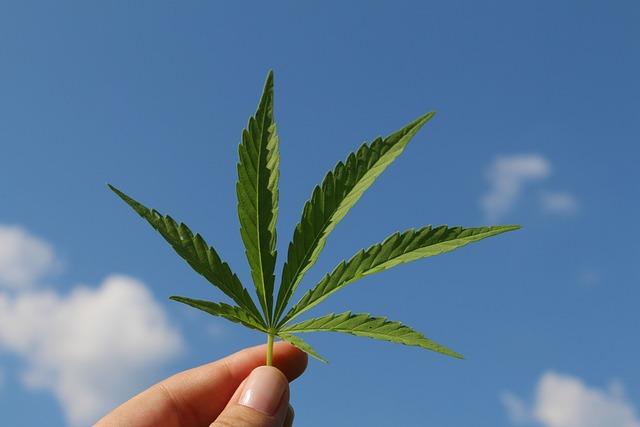
Imagine a familiar plant seen through a new lens: not as a single ingredient wiht a single effect, but as a complex, botanical chorus whose quieter notes are only now coming into focus. Holistic Hemp THCA: A Practical wellness Guide opens that lens, leading readers through what THCA is, how it differs from more commonly discussed cannabinoids, and why a whole-plant perspective matters for anyone curious about incorporating hemp-derived options into a balanced lifestyle.
THCA (tetrahydrocannabinolic acid) is the non-intoxicating precursor to THC that exists naturally in raw hemp. When approached holistically, THCA becomes more than a chemical name-it’s part of an ecosystem of cannabinoids, terpenes, and nutrients where source, processing, and context shape experience. Interest in THCA has grown alongside broader conversations about plant-based wellness, sustainable sourcing, and individualized approaches to self-care, but scientific understanding and legal frameworks remain evolving.
This guide is practical and cautious by design: it will explain the basics of THCA chemistry and how heating changes its profile,compare consumption methods and product types,outline considerations for quality,testing,and legality,and offer pragmatic tips for integrating hemp-based options into a daily routine. It won’t promise cures or fast fixes; instead, it aims to equip you with the knowledge to make informed choices-balancing curiosity with safety and respect for the emerging evidence.
If you’re curious about adding a new tool to your wellness toolkit or simply want a clearer picture of what THCA is and how it fits into whole-plant thinking, this guide will map the terrain-highlighting practical steps, pitfalls to avoid, and questions to take to your healthcare provider as you explore.
Understanding THCA: The Science, Expected Effects, and How it Differs From THC
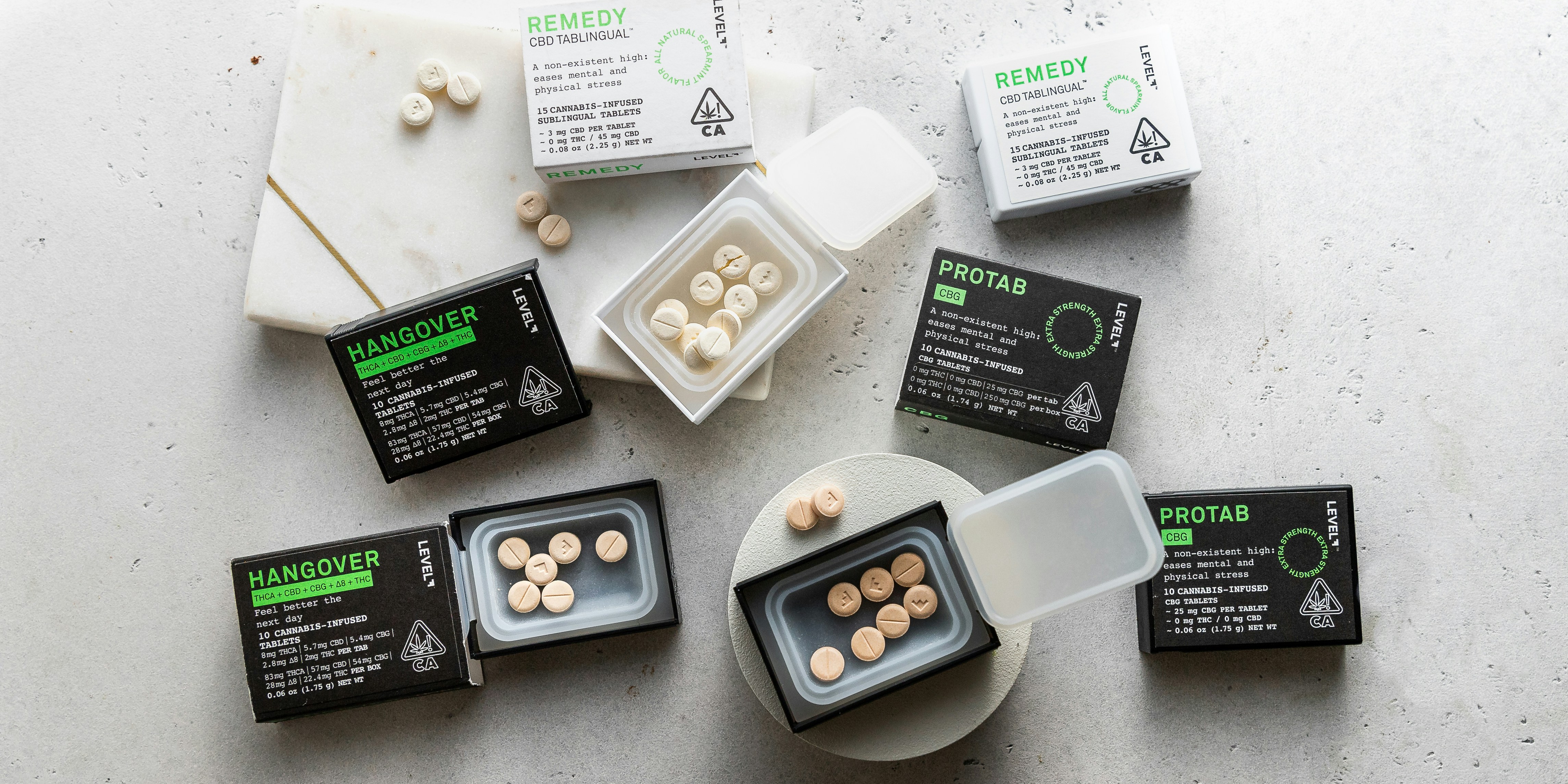
Far from the psychoactive reputation of its transformed cousin, this cannabinoid is the raw, acidic form found in fresh hemp flowers and leaves. Before heat or prolonged drying, it exists as an acidic precursor – a molecule that will convert through decarboxylation into the familiar compound many associate with a “high.” In botanical terms it’s part of the plant’s natural chemistry; in practical terms it behaves differently in the body as it lacks the same direct affinity for the receptors that mediate intoxication.
Consumer experiences tend to emphasize subtlety over intensity. Users report a range of non-euphoric responses and incorporate raw extracts into routines for reasons that are often described as supportive rather than transformative.Common observations include:
- Mild sense of calm or focus when taken in low doses
- Preference for raw or cold‑processed products (juices, tinctures) to preserve the acidic form
- No classic “high” unless the product has been heated or aged into its decarboxylated counterpart
When comparing it to its heated form, the distinctions are clear and practical. The table below summarizes the core differences in a simple format you can scan quickly:
| Characteristic | Raw Acidic Form | Heated Form |
|---|---|---|
| Intoxication | typically non‑intoxicating | Can produce psychoactive effects |
| Activation | Present in fresh plant material | Created by heat or aging (decarboxylation) |
| Common Use | Raw tinctures, extracts, topical blends | edibles, inhalation, heated preparations |
For practical use, consider preservation and pairing: keep products cool and away from direct light, and try combinations with complementary terpenes or carrier oils to tune the sensory profile. As with any hemp derivative, a cautious approach is wise-start low and go slow, observe how you respond, and choose products with clear sourcing and testing when possible.
Evaluating Whole-Plant Hemp: Reading Lab Reports, Cannabinoid Ratios, and Sustainable Sourcing
Think of the lab report as a map: it tells you not just what’s in the bottle, but how reliable the journey was. A clear Certificate of Analysis (COA) will list cannabinoid potency, a terpene profile, and screens for contaminants like heavy metals, pesticides, and microbial contaminants.When reviewing a COA, favor reports from third‑party labs with accreditation and a visible batch number that matches the product packaging – those details separate marketing from measurable quality.
Ratios matter as whole‑plant hemp is more than THC or CBD – it’s an orchestra of molecules. Below is a quick guide to common cannabinoid balances and how they might influence effects:
| Ratio | Example | Practical implication |
|---|---|---|
| High THCA : Low CBD | 10:1 | Potent raw cannabinoid activity; less counterbalance from CBD |
| Balanced | 1:1 | Smoother, synergistic effect frequently enough sought for symptom modulation |
| High CBD : Low THCA | 20:1 | More calming profile with reduced psychoactive conversion risk |
Sourcing choices reveal the ethics behind a product. Look for farmers practicing soil health, transparent supply chains, and minimized processing footprints. Key sustainable indicators include:
- Organic or regenerative farming certifications
- Batch traceability from seed to sale
- Third‑party sustainability audits or documented carbon reductions
Before you commit, run a quick verification checklist: confirm the COA link matches the lot number, note total THCA vs. THC (remember THCA can convert to THC with heat), check terpene diversity for desired aroma/effect, and ensure contaminant panels are clear. These practical steps help you choose whole‑plant hemp that’s both effective and responsibly produced.

Consumption Methods and Practical Dosing: Tinctures, Raw Flower, Topicals, Onset Times, and Starting Guidelines
Tinctures, raw flower and topicals each offer a distinct experience with hemp-derived THCA – think of them as tools in a wellness kit rather than one-size-fits-all solutions. Sublingual tinctures are prized for predictable absorption and relatively fast onset (frequently enough felt within 15-45 minutes) without the unpredictability of digestion. Consuming raw flower (juiced or eaten without heating) preserves THCA’s non-intoxicating profile and tends to produce subtle,body-forward effects that can take longer to notice. Topicals work locally: creams and salves may show benefit in 15-60 minutes for regional relief but typically do not produce systemic effects.
When approaching dosing, follow the mantra: start low, go slow, and keep notes. New users frequently enough begin with a low single-digit milligram amount of active cannabinoids (a microdose) and wait through the full onset window before adjusting. increase slowly in small steps-allowing multiple trials at the same level-so you can identify the minimal effective amount. Below are simple, practical steps to guide experiments safely:
- Measure consistently: use calibrated droppers or labeled servings to avoid guesswork.
- Wait for full onset: give tinctures up to 45 minutes, raw preparations up to 90 minutes, and edibles up to 2-3 hours before changing dose.
- Log effects: note dose, time, subjective effects, and any interactions with food or medication.
- Avoid mixing: don’t combine with alcohol or sedatives on the first trials to isolate response.
| Method | Typical Onset | Typical Duration | Quick Note |
|---|---|---|---|
| Tincture (sublingual) | 15-45 min | 4-6 hours | Reliable,easy to dose |
| Raw flower (non-heated) | 30-90 min | 3-6 hours | Non-intoxicating; subtle effects |
| Topical (lotion/salve) | 15-60 min | 1-6 hours (localized) | Targets regional relief; minimal systemic exposure |
| Edible (full-spectrum) | 60-180 min | 6-10+ hours | Potent,long-lasting; dose cautiously |
Prioritize safety: consult a healthcare professional if you’re pregnant,nursing,on medications,or have a chronic condition. Label and store products away from children and pets, and be mindful that heating THCA changes its chemistry and effects. With curiosity, modest expectations and careful tracking, consumers can discover how different formats fit into a balanced, personalized wellness routine.
Integrating THCA Into Your Wellness Routine: Sample Morning, Evening, and Movement friendly Protocols
Morning reset: Begin with a microdosed tincture to set a calm, clear baseline before caffeine and tasks.A dropper under the tongue (start with a very small amount) lets you gauge sensitivity and preserve mental clarity. Pair this with a short breathing sequence or a warm lemon water ritual to anchor the effect. Suggested quick routine:
- Upon waking: 1-3 drops sublingual tincture (adjust by tolerance)
- After 10-15 minutes: light mobility or 5-10 minute walk
- Optional: add an adaptogenic tea for resilience (ashwagandha, holy basil)
This approach keeps the morning supportive without dulling focus-perfect for structured, productive days.
movement-friendly protocol: Design for pre-, during-, and post-activity support so THCA enhances performance and recovery rather than interrupting it. Use fast-acting formats pre-exercise and longer-acting topicals post-workout where targeted relief is needed. Consider alternating microdoses rather of a single larger dose to observe effects on coordination and energy.
- Pre-exercise: 1-2 microdoses (tincture or spray),10-20 minutes before warm-up
- During: hydration and breath work-avoid adding more until you know how you respond
- Post-exercise: topical salve on sore areas or a small oral dose for tension release
| Format | best Use | Typical Start |
|---|---|---|
| Tincture | Quick onset,microdosing | 1-3 drops |
| Topical | Targeted muscle relief | Rub onto area |
| Capsule | Steady,predictable | Low-dose capsule |
Evening wind-down: Shift to deeper restorative practices by slightly increasing dose relative to daytime microdosing,prioritizing formats that support slow release and relaxation. Combine with a magnesium-rich snack or a warm bath to amplify restorative signaling and muscle ease.Keep stimulation low-dim lights, gentle stretching, and journaling help close the day.
- 60-90 minutes before bed: small oral dose or edible with calming beverage
- If pain disrupts sleep: apply a THCA-infused topical to targeted areas
- Bedtime ritual: consistent schedule,low screens,breathwork
Bold practical rule: start low,go slow,and track-note time,dose,and subjective effects for each protocol so you can refine a personalized,balanced routine.
Safety,Interactions,and Legal Considerations: Side Effects,Drug Interactions,and When to Seek Professional Advice
Even though THCA is non-intoxicating in its raw form,it is not free from effects. Common complaints are usually mild and transient – dry mouth, mild dizziness, gastrointestinal upset, and fatigue – but accidental decarboxylation (conversion into THC through heat) can produce stronger psychoactive symptoms such as altered perception or anxiety. A practical rule of thumb: start low and go slow; test a small amount,wait several hours to gauge response,and keep a usage log so you can spot patterns in side effects.
THCA can interact with other substances through the liver’s metabolic pathways and additive central nervous system effects. Notable areas of concern include blood thinners, sedatives and substances that rely on CYP450 enzymes for clearance. If you take prescription medications, especially for chronic conditions, discuss THCA with your clinician before adding it to your routine.
| Drug Class | Potential Interaction | Practical Advice |
|---|---|---|
| Anticoagulants (e.g., warfarin) | Altered bleeding risk | Consult prescriber; monitor INR |
| Benzodiazepines & Sedatives | Increased drowsiness | Avoid driving; consider dose reduction |
| Antidepressants (SSRIs, SNRIs) | metabolic competition; mood effects | Discuss mental health history with provider |
Legal and safety landscapes are patchwork and evolving. In some jurisdictions hemp-derived products are allowed when delta‑9 THC remains below established thresholds, but laws differ by country and state; label accuracy is not guaranteed without independent third-party lab tests. Always choose products with transparent coas (Certificates of Analysis) and clear batch testing, and remember that heating or smoking THCA products can convert them into psychoactive THC – a legal and physiological shift you should treat deliberately.
If you experience severe symptoms – such as difficulty breathing, chest pain, severe vomiting, fainting, or signs of a serious allergic reaction – seek immediate medical attention. You should also consult a healthcare professional before using THCA if you are pregnant or breastfeeding, taking prescription medications, have liver disease, or are considering use in children. For planned procedures or anesthesia, inform your surgical team about any cannabinoid use so they can advise on perioperative safety.
DIY Formulations and Storage: Simple Tincture and Topical recipes, microdosing Schedules, and Preservation Tips
For an approachable tincture that highlights raw THCA without converting it to THC, try a cold-infusion method: place roughly 1 gram of finely ground, fresh or low-heat-dried hemp into a small jar and cover with 10-15 ml of high-proof grain alcohol or vegetable glycerin if you prefer alcohol-free. Seal and store in a cool,dark place,shaking gently once a day for 2-4 weeks,then strain through cheesecloth. Do not apply heat if your goal is to preserve THCA-heat triggers decarboxylation into THC.Label jars with date and concentration estimates, and always start with a low serving size until you understand potency.
Topicals can be simple and effective: make an infused oil first by soaking herb in a carrier oil (olive,jojoba,or sweet almond) using a gentle cold infusion for 2-6 weeks,or warm slowly at under 100°F if you accept some conversion risk. A basic salve formula is straightforward-combine 1 cup infused oil with 1-2 ounces beeswax (more wax for a firmer salve), melt gently in a double boiler, remove from heat, then add optional essential oils for fragrance. Pour into tins and cool. For a lighter lotion, whip the cooled salve with a bit of water or aloe until airy.
Microdosing is personal; the aim is consistency and small increments. Below is a conservative starter schedule you can adapt-keep a journal of effects and pause adjustments if you notice unexpected changes.this schedule assumes you know approximate tincture potency; when uncertain, use fewer drops and longer trial periods.
| Week | Morning | Evening |
|---|---|---|
| 1 | 0.5-1 mg | – |
| 2 | 1 mg | – |
| 3 | 1 mg | 0.5 mg |
| 4 | 1-2 mg | 0.5-1 mg |
Preservation is the quiet craft behind every lasting readiness. Store tinctures in amber or cobalt glass droppers, away from light and heat; alcohol-based tinctures can keep for 1-3 years, whereas oil-based infusions are best used within 6-12 months and refrigerated to slow rancidity. For topicals, small batches reduce waste-label each container with ingredients and date, use airtight lids, and consider adding natural antioxidants like a few drops of vitamin E to extend shelf life. Quick checklist:
- Dark glass containers to block UV
- Cool, stable temperatures – avoid windowsills and hot cars
- Minimal air exposure-fill containers to reduce headspace
- clear labeling with date, ratio, and batch notes
The Way Forward
As you close this practical guide, remember that holistic hemp THCA is one thread in a larger tapestry of wellbeing – one that weaves together personal goals, lifestyle, science, and the legal landscape. Approached thoughtfully, it can be explored alongside nutrition, sleep, movement, and professional guidance rather than as a standalone solution.
If you choose to incorporate THCA,do so with curiosity and caution: prioritize reputable sourcing and third‑party lab testing,stay informed about local regulations,and consult a healthcare provider if you have health conditions or take medications. Evidence is evolving, and measured, informed decisions will serve you better than impulse.
Ultimately, wellness is a personal journey. Let careful inquiry, practical steps, and honest reflection guide how – or whether – THCA fits into your routine, and remain open to adapting that approach as new details emerges.

