


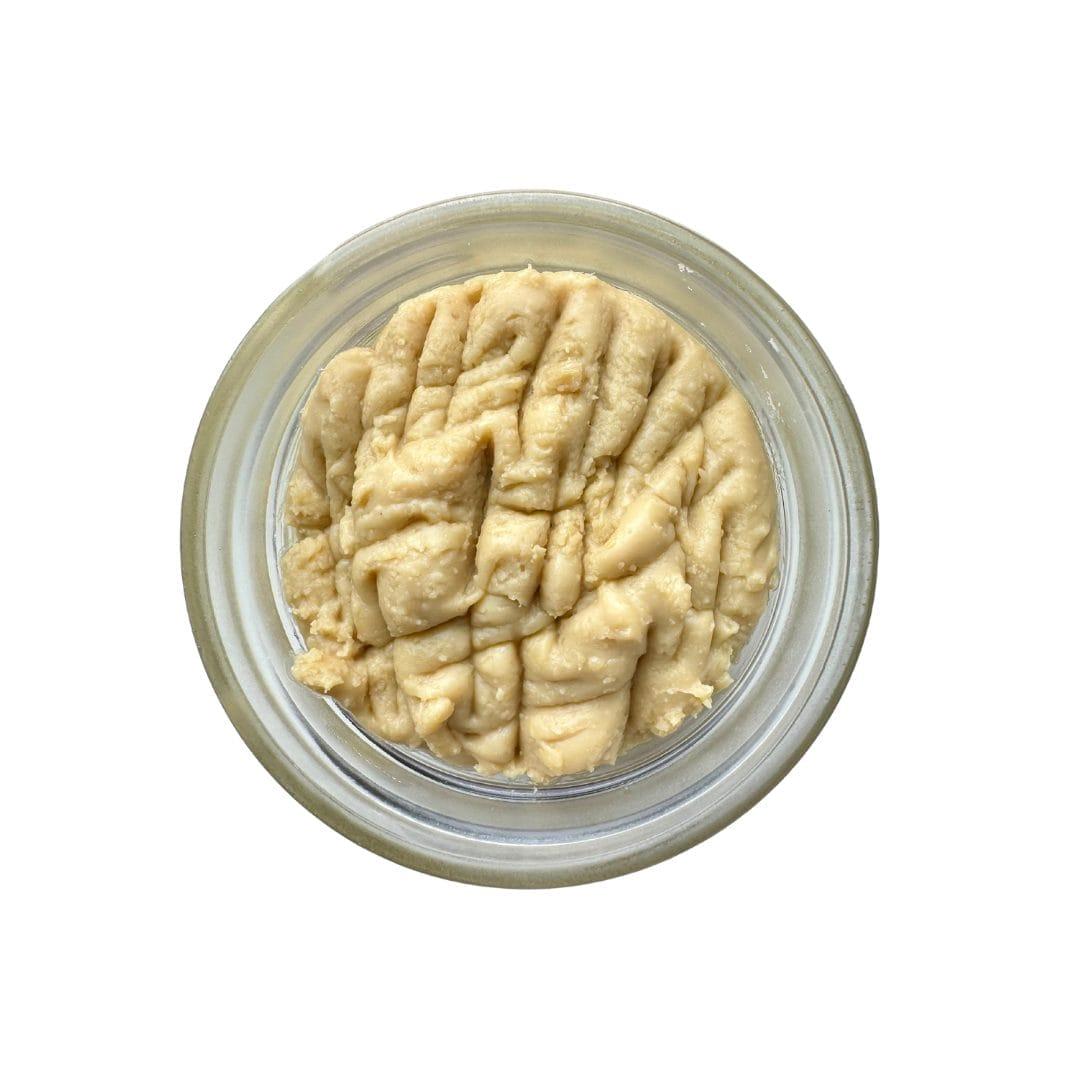
like the slow thaw of a market emerging from winter, THCA prices are shifting in ways that reveal the contours of a maturing industry. Weather sold as raw flower destined for conversion, refined concentrates, or formulated into novelty consumables, THCA-based products occupy distinct niches – each with its own cost structure, demand drivers, and vulnerability to regulatory tremors. This article maps those niches and translates their movements into a clear, data-driven forecast.We’ll break the market down by product type - from bulk biomass and crystalline isolates to vape cartridges and infused products – and then layer in market-value segments, from commodity-grade supply to craft and premium tiers. For each intersection of product and price bracket, you’ll find past pricing trends, short- and medium-term projections, and the key variables likely to tilt the scales: cultivation yields, extraction technology, regulatory shifts, and shifting consumer preferences.The aim isn’t to sensationalize but to clarify: offering a practical framework for buyers, sellers, investors, and analysts to understand were THCA value is concentrated today and how it might migrate tomorrow. Expect scenario-based outlooks, transparent assumptions, and actionable takeaways that turn complex market dynamics into usable insight.
scenario Driven Forecasts for High Potency Extracts Compared to Raw Biomass with Positioning Advice
Thinking in scenarios forces clarity: a regulatory-tight bear case compresses margins and floods the market with low-cost biomass, while a technology-driven bull case elevates demand for concentrated THCA products that deliver consistent potency and dosing. Under a scenario lens, high-potency extracts behave as an asymmetric asset - they lose less value during oversupply than raw biomass, and they capture outsized gains when consumer preference, clinical use, or export channels favor purity and shelf-stability.
Economics of conversion create the divergence. Extraction and refinement add cost but unlock substantially higher per-THCA values, insulating producers from spot-biomass swings. Raw flower and trim remain volume plays – sensitive to harvest cycles and cultivation costs - whereas crystalline and distillate trade more like specialty commodities with branding and regulatory premiums. The table below snapshots our scenario-driven price bands for rapid comparison.
| Product Type | Bear ($/g THCA) | Baseline ($/g THCA) | bull ($/g THCA) |
|---|---|---|---|
| Crystalline (≥95% THCA) | $1.20-$2.50 | $2.50-$4.50 | $4.50-$8.00 |
| Distillate (80-90% THCA) | $0.90-$1.80 | $1.80-$3.20 | $3.20-$5.50 |
| Raw Flower (15-25% THCA) | $0.05-$0.12 | $0.12-$0.25 | $0.25-$0.60 |
| Trim/Low-Grade (5-10% THCA) | $0.03-$0.06 | $0.06-$0.12 | $0.12-$0.25 |
Position strategically by product tier rather than chasing spot price alone. Consider these actions:
- Diversify product mix - hold a core of high-potency inventory to capture spikes in institutional or export demand, while using biomass sales to manage cash flow.
- Lock in processing margins - negotiate tolling or fixed-price processing to buffer volatility between feedstock and finished extract prices.
- Prioritize quality – premium, tested THCA commands better shelf and regulatory resilience than undifferentiated volume.
- hedge operationally – stagger harvests and maintain convertible inventory so you can tilt toward extracts when markets reward potency.
Risk management remains paramount: in a sudden bear scenario, accelerate moves that convert perishable biomass into stable, higher-margin products or longer-dated contracts. In bullish conditions, scale high-purity lines and invest in branding and compliance to maximize the per-THCA premium. Ultimately, the best positioning balances short-term liquidity with a disciplined pathway to capture the structural upside of high-potency extracts.
Regional Value Differentials and Channel Specific Price Dynamics with Tactical Recommendations for Wholesalers and Retailers
Markets are rarely uniform: pockets of high demand and structural scarcity create visible value gradients across regions. Urban corridors and tourist-heavy coastal zones often register a coastal premium, where limited local cultivation and high disposable income push THCA-based product prices above national averages. Conversely, agricultural heartlands frequently show an inland discount, driven by abundant supply and lower transportation costs. Layer on regulatory variance - testing standards, packaging mandates, and licensing fees – and price maps begin to look like topographic charts rather than flat projections.
Channel choice compounds those regional effects. Wholesale lanes that feed large retail chains tend to compress margins but provide volume stability,while direct-to-dispensary or boutique retail shipments capture a quality premium for curated THCA concentrates and solventless extracts.Product type matters: raw flower remains the most price-sensitive, high-potency concentrates command steeper regional premiums, and formulated products (vapes, tinctures) trade on branding and shelf placement more than base commodity dynamics. Online and multi-state operator channels also introduce cross-border arbitrage opportunities – and complications from differing excise tax regimes.
Practical tactics for wholesalers and retailers focus on responsiveness and segmentation:
- Layered inventory: maintain separate SKUs by quality tier so you can deploy higher-grade THCA into premium channels without distorting commodity pricing.
- Dynamic pricing: use short-cycle repricing for regions showing rapid value shifts to protect margin and clear inventory efficiently.
- Channel-specialized bundles: design wholesale packages for chain buyers and curated lots for boutique shops to capture both volume and premium demand.
- Regulatory arbitrage monitoring: keep a rolling checklist of testing/label changes to anticipate cost shocks before they hit your P&L.
| Region | Typical Differential | Quick Tactical Move |
|---|---|---|
| Pacific Corridor | +12-18% | Push high-THCA concentrates to boutique retailers; premium-labeling. |
| Mountain States | ±3-8% | Use volume contracts with regional chains; stabilize weekly shipments. |
| Midwest Plains | -6-10% | Price competitively on flower; export excess to neighboring premium markets. |
Align pricing models and inventory rhythms to these micro‑market signals to convert regional differentials into predictable margin opportunities rather than reactive losses.
Supply Chain Constraints Regulation and Input Cost Pressures with Practical Risk Mitigation Strategies for Producers
Global compliance shifts and bottlenecks in packaging, laboratory testing and freight are quietly reshaping margins on every THCA SKU. When input costs-nutrients, energy for controlled environments, and certified testing-rise, the effect is not uniform: concentrates, tinctures and flower face diffrent elasticity in demand, so a single regulatory tweak can compress margins for one product while leaving another relatively unscathed. Producers who model costs by product type capture those divergent pressure points sooner and can make price adjustments before margins evaporate.
to translate constraint awareness into market resilience, focus on modular adjustments rather than sweeping changes. Small operational renovations-like switching to LED arrays or renegotiating pallet rates-compound over time. Likewise, administrative investments in compliance automation reduce the probability of costly hold-ups at inspection points. The arithmetic is simple: fewer stoppages plus lower variable inputs equals a more predictable product-level price baseline, which supports clearer THCA price forecasts tied to market value.
Practical risk mitigation can be implemented with a mix of tactical and strategic moves:
- Diversify suppliers for critical inputs to avoid single-source shocks.
- Hedge price exposure with forward purchase agreements for nutrients and energy where possible.
- Invest in efficiency-energy, water and labor savings reduce per-unit vulnerability.
- Segment products by margin sensitivity and apply different pricing rules to each.
- Form cooperatives or shared logistics to spread regulatory compliance costs.
Below is a compact reference to align common risks with simple mitigations and their expected impact on product-level price stability:
| Risk | Immediate Impact | Quick mitigation |
|---|---|---|
| Testing delays | Inventory hold, cashflow drag | use certified third-party labs; batch prioritization |
| Energy cost spikes | Higher cultivation unit cost | Shift to off-peak, invest in efficiency |
| Packaging shortages | Production bottlenecks | Alternate materials, bulk buys |
| Regulatory change | Compliance expense | Scenario planning, retain legal counsel |
Consumer Demand Shifts product Innovation and Price Elasticity Insights with Guidance for Product Mix Optimization
Consumers are moving beyond simple potency metrics toward tailored experiences, which drives rapid product innovation across the THCA category. Brands that interpret these signals-demand for microdosing, clean-label concentrates, and discreet formats-unlock opportunities to reposition SKUs and introduce niche premium lines.Differentiation through format and experience is now as critically important as THC concentration; shoppers will pay a premium for perceived convenience, clarity of use, or trusted extraction methods.
Price sensitivity varies widely by format, so understanding elasticity is essential for forecasting and revenue optimization. Some categories respond strongly to promotional pricing, while others maintain stable demand despite higher prices. the table below summarizes typical elasticity patterns and quick recommendations to steer assortment and pricing:
| Product Type | Price Elasticity | Recommended Price Action |
|---|---|---|
| Flower | Moderately Elastic | Use value bundles,seasonal promos |
| Vapes & Disposables | Inelastic (brand-loyal) | Maintain margin,limited-time drops |
| Concentrates | Inelastic (experience-focused) | Premium pricing,small-batch releases |
| Edibles & Tinctures | Elastic (trial-driven) | Intro pricing,samples,subscription offers |
To optimize your product mix,prioritize data-led experiments and SKU rationalization. Start with a small set of hypotheses, then iterate quickly:
- Test tiered pricing across high- and low-elasticity SKUs to protect margins.
- Bundle strategically-pair elastic items with inelastic hero SKUs to lift overall basket value.
- Limit SKUs in low-performing niches and rotate limited editions to sustain interest.
- Align promotions with inventory velocity and lifecycle stage to avoid margin erosion.
Continuous monitoring of sales, conversion, and cross-elasticity will let you refine forecasts and lean into the product formats that maximize both market value and customer lifetime revenue.
In Summary
As the last data point settles, the picture that emerges from a THCA price forecast segmented by product type and market value is less a single prediction than a shifting mosaic - different tiles moving at different speeds. Concentrates and extracts may track one trajectory, flower another, and infused products yet another, all influenced by the liquidity and investor attention that follow market capitalization. Where demand is concentrated and supply is tight, prices tend to show resilience; where markets are small or speculative, volatility rules.
Remember that forecasts are guideposts, not guarantees. Regulatory shifts, advances in cultivation and extraction, changes in consumer taste, and broader macroeconomic forces can reconfigure the landscape quickly. For stakeholders – from cultivators and processors to retailers and analysts – the most useful approach is to combine these price scenarios with real-time market intelligence, diversified planning, and prudent risk management.
In short: use the segmented forecast to sharpen your view, not to fix it.Stay attentive to emerging signals, treat uncertainty as a strategic input rather than a roadblock, and let evolving data refine your expectations. The THCA market will continue to evolve; keeping your compass calibrated will be the surest path through its changing currents.
