


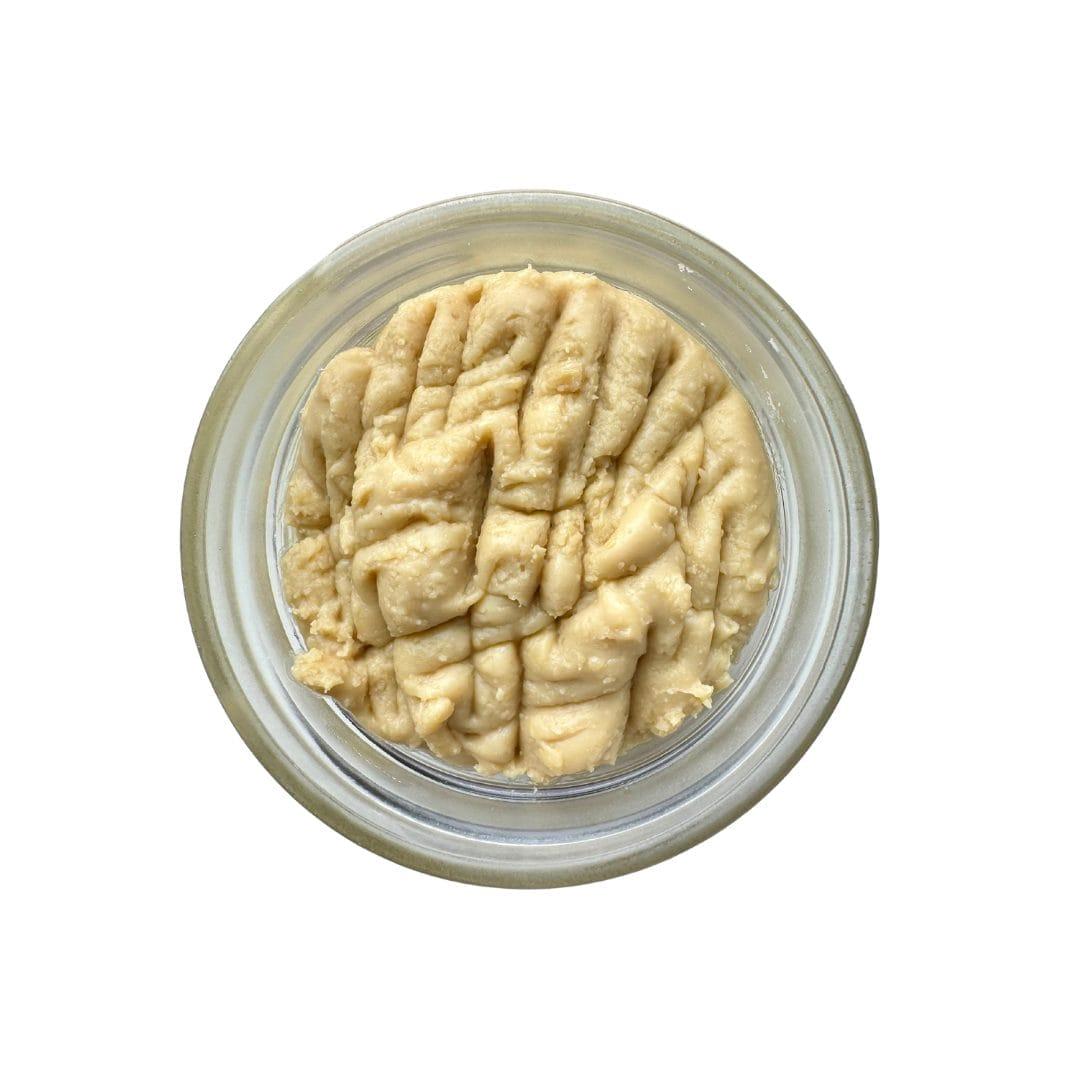
A map is more than lines and names; it’s a story of movement, value and the choices people make where they live. Regional THCA pricing is a similar kind of map – not of roads, but of markets.By charting how prices for THCA change from quarter to quarter and place to place,we can see patterns that reveal supply shifts,regulatory impacts,and consumer preferences unfolding across different jurisdictions.
THCA, the non-intoxicating precursor to THC found in raw cannabis, occupies an increasingly prominent place in commercial product lines and research conversations. Tracking its price by region and over time offers a window into the economics of cultivation, extraction, distribution and retail. Quarterly data, with its rhythm of seasonal cycles and policy updates, is particularly useful for discerning transient fluctuations from structural trends.
This article uses recent quarterly datasets to explore regional variations in THCA pricing, identify emerging trends, and unpack the drivers behind them – from cultivation costs and regulatory changes to retail competition and consumer demand. The aim is to provide a clear, data-grounded perspective that helps growers, processors, regulators and analysts understand where the THCA market has been, where it’s heading, and which regional dynamics matter most.
Unpacking Regional THCA Price Patterns and Their Underlying Drivers
Across the country, THCA pricing behaves less like a single market and more like a mosaic – each patch shaped by local law, crop cycles and buyer sophistication.In colder-climate corridors, prices spike in late fall as fresh harvest supplies dwindle and extraction labs absorb more material for winter processing.Conversely, sunbelt regions often show smoother quarterly declines thanks to continuous flowering schedules and larger-scale cultivation that dampens volatility.
Primary drivers behind these regional divergences are surprisingly simple but interact in complex ways:
- Regulatory friction: licensing delays and differing potency thresholds alter supply flows.
- Seasonal yield swings: harvest timing compresses sales into quarters, creating predictable price pulses.
- Infrastructure gaps: proximity to extraction capacity and testing labs reduces transport costs and shrinkage.
- Demand elasticity: medical vs. adult-use markets show different sensitivity to price shifts.
When you overlay these drivers,patterns emerge – metropolitan demand centers often pay premiums for consistency and certification,while rural supply hubs compete on volume. Quality disclaimers, batch testing discrepancies and branding also introduce a premium tier that can lift regional averages independently of raw THCA supply. Traders watch these micro-inefficiencies to arbitrage across state lines when regulation permits.
| Region | Median Q Price ($/lb) | QoQ Trend |
|---|---|---|
| pacific Northwest | $850 | ↑ 6% |
| Sunbelt | $720 | ↓ 3% |
| Mid-Atlantic | $960 | ↑ 10% |
| Mountain West | $790 | → Stable |
Demand Segments Retail Formats and Consumer Preferences Behind Price Divergence
Different pockets of demand – from health-focused patients to weekend social users and boutique-seeking connoisseurs – create an uneven pricing map across regions. Medical buyers often prioritize consistent lab results and higher THCA concentration, supporting premium pricing in licensed clinical dispensaries. Conversely, value-driven shoppers leaning toward larger gram purchases or budget delivery services compress prices, especially where taxes and compliance costs are lower. The result is a mosaic of prices that reflect more than raw supply costs: they reflect what each buyer segment is willing to exchange for convenience, brand trust, or potency.
Several consumer-led forces explain why identical THCA products trade at divergent price points. Key drivers include:
- Perceived quality: packaging, branding and lab certificates can add a 10-40% premium.
- shopping channel: in-store experience vs. delivery and marketplace efficiency influence markups.
- Purchase format: single grams, ounces or pre-rolls shift unit economics.
- Regulatory friction: compliance and local taxes that buyers indirectly pay through price.
- Product attributes: terpene profiles, potency and novelty strains appeal to niche buyers.
These vectors interact: a boutique dispensary sells more than a product-it sells reassurance and story, and customers pay for that narrative.
| Retail Format | Avg Price ($/g) – Q4 | Typical Buyer |
|---|---|---|
| Chain Dispensary | $7.50 | Everyday recreational |
| Boutique Retailer | $11.00 | Connoisseurs / gift buyers |
| Delivery Services | $8.25 | Convenience seekers |
| Online marketplace | $6.50 | Price-sensitive shoppers |
| Farmer/Pop-up Market | $5.75 | Bargain and bulk buyers |
Retailers tune assortments and promotions to these preferences: pairing high-margin, high-THCA skews with curated education for premium buyers while running volume discounts and subscription models for price-conscious segments. Understanding which segment dominates a region – and why – is often more predictive of local price trajectories than short-term supply shocks. In other words, price divergence is a market language made up of consumer priorities; decode those priorities and you can anticipate where margins will expand or compress next quarter.
Leading Indicators and Scenario planning for Next Quarter THCA Positioning
Market teams should orient to a short window of high-signal metrics rather than long lags. Watch the tempo of lab certifications, spot bid resilience and harvest reports to anticipate directional shifts in THCA pricing before quarter close. Combine these signals with macro inputs – input cost inflation, regulatory announcements, and big wholesale flows – to create compact, testable scenarios you can act on quickly.
Prioritize a handful of early indicators that historically precede price moves and build alerts around them. Useful signals include:
- Lab throughput – sudden increases can presage oversupply.
- Fail rate / potency shifts – quality swings compress or expand premiums.
- Spot bid/ask spread – widening spreads often foreshadow volatility.
- Wholesale order book – cancellations or accelerated offtake change near-term balance.
- Regulatory whispers – local enforcement changes alter logistical risk and demand.
| Scenario | Price Impact (Next Q) | Primary Triggers | Recommended Positioning |
|---|---|---|---|
| Baseline | ±3% | Steady lab throughput,stable bids | Maintain core inventory,light hedges |
| Bull | +8-15% | higher retail demand,constrained supply | Reduce spot selling,opportunistic forward sales |
| Bear | -10-20% | Surging lab output,big cancellations | Hedge downside,clear low-margin inventory |
Turn scenarios into action with tight trigger rules: when two or more indicators move past defined thresholds, execute the associated play. Emphasize inventory discipline, staggered hedges and flexible contract terms to preserve optionality. Tactical actions to consider:
- Scale hedges incrementally as signals strengthen.
- lock premiums on high-potency lots if fail-rates fall.
- Speed up or delay planned spot sales based on order book cues.
Final Thoughts
As the quarter’s numbers settle into place, the picture of regional THCA pricing reads less like a single headline and more like a shifting mosaic – individual tiles of supply, regulation, demand and seasonality that together map the market’s contours.Some regions show steady gradients; others flash sharper contrasts. Taken together, the data underscore that price movements are rarely driven by a single force and that today’s anomaly can become tomorrow’s trendline.
For market participants, policymakers and analysts alike, the chief takeaway is one of measured vigilance: use the granular quarterly data to inform short-term decisions, but anchor strategy in longer-term patterns and the regulatory context that often shapes those patterns most profoundly. Where volatility appears, look for structural drivers; where stability persists, probe whether it reflects durable fundamentals or temporary equilibrium.
Looking ahead, the next quarter will either confirm emerging signals or redraw the map yet again. Continued, consistent data collection – paired with obvious reporting and regional context – will remain essential for turning numbers into reliable insight. Untill then, treat this quarter’s snapshot as a useful guide, not a final verdict, and return often to the data as the market continues to evolve.
