


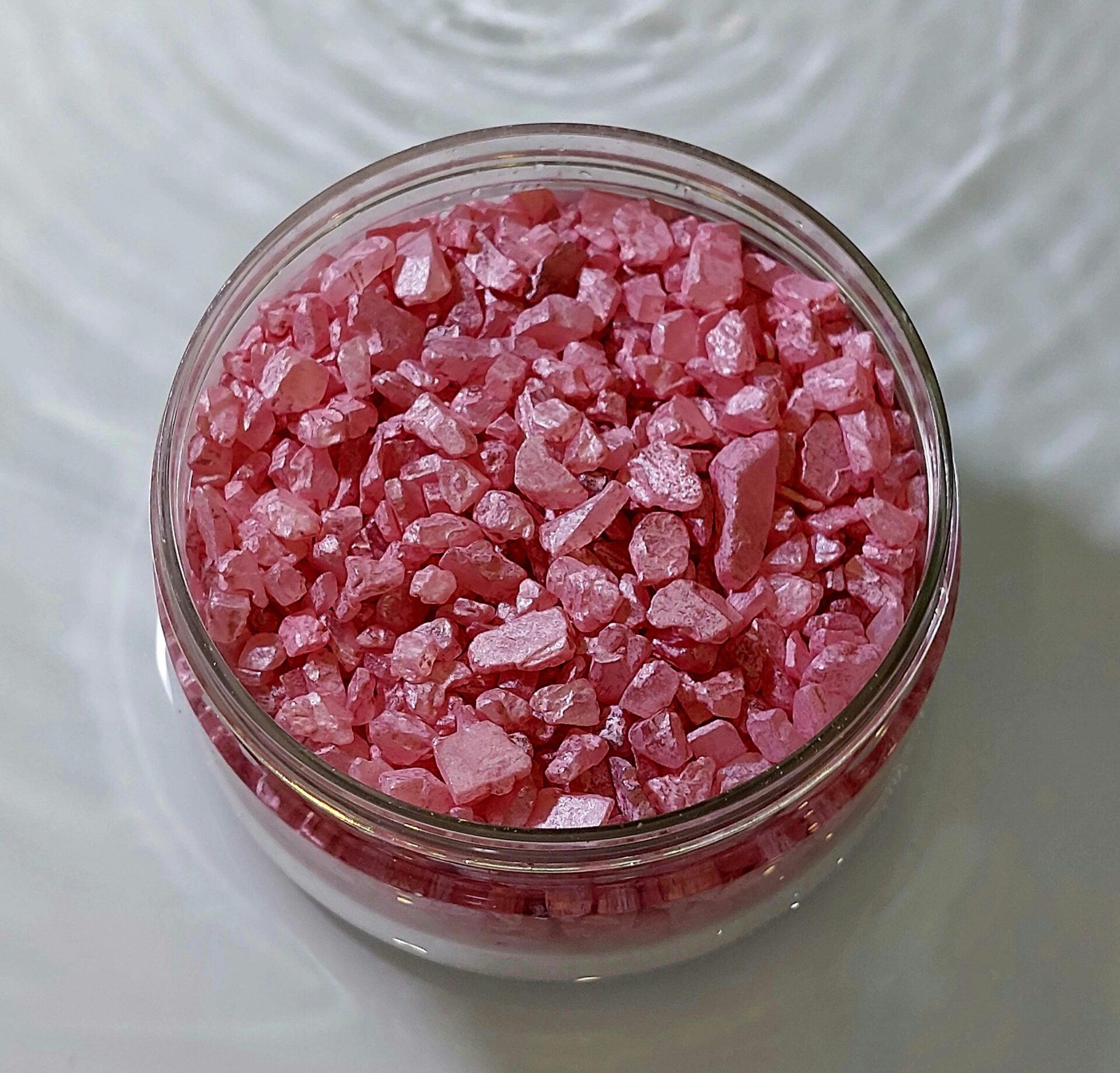
Like a preserved slice of harvest caught between frost adn sunlight, Cold-Cured THCA Rosin arrives at the intersection of science, craft and commerce. Tempered away from heat,this concentrate promises to lock in delicate terpene profiles-the volatile aromatics that define a cultivarS voice-while delivering a clear,potent THCA backbone. For aficionados and formulators alike, the cold-cure approach reads as an exercise in restraint: more nuance, less thermal alteration, and a sensory experience closer to the living plant.
Yet the appeal of pristine terpene fidelity sits beside practical questions of scale and cost. Small-batch producers tout the artisanal advantages-attention to starting material, hands-on quality control, traceability-while buyers weigh those benefits against the efficiencies offered by bulk purchasing. Pricing for cold-cured THCA rosin therefore becomes a study in trade-offs: premium per-gram value for limited runs versus discounted unit costs for larger contracts that prioritize throughput and consistency.
This article explores both sides of that ledger. We’ll unpack why terpenes matter in cold-cured concentrates, how small-batch practices shape product character, and what buyers can expect when they move from craft sample plates to bulk orders. Whether you’re a connoisseur chasing flavor fidelity or a retailer balancing margins and inventory, understanding the interplay between terpene preservation and pricing will sharpen how you value Cold-Cured THCA Rosin.

Decoding Cold Cured THCA Rosin: What Terpenes Reveal About Quality and Effect
Cold-cured THCA rosin is a snapshot of the plant’s aromatic soul – temperature-controlled curing preserves fragile volatiles that are otherwise lost in heat-driven processes. Labs often use GC/MS to map a sample’s terpene fingerprint, and that map can tell you a lot: whether the extraction captured delicate floral top notes or rugged spicy base notes, and whether the job was handled gently enough to maintain nuance rather than a flattened, one-dimensional profile. High terpene retention often correlates with careful handling, fresher aroma, and a fuller sensory experience.
Beyond aroma, terpene ratios hint at likely effects and entourage dynamics. Rather than promising singular outcomes, terpenes collectively color the experience - citrus-forward profiles suggest an invigorating lift, while herbal-dank blends lean toward grounded, relaxing tones. Look for consistency across batches if you value predictability; small-batch cold curing can lock in signature profiles that scale-ups frequently dilute. below are common terpenes to watch for:
- Myrcene – earthy, musky; often associated with mellowing properties.
- Limonene - bright citrus; tends toward uplifting qualities.
- Pinene – piney and sharp; may support alertness and clarity.
- Caryophyllene – spicy, peppery; unique for interacting with cannabinoid receptors.
- Linalool – floral, lavender-like; commonly linked to calming notes.
| terpene | Aroma | Likely effect |
|---|---|---|
| Myrcene | Earthy / Clove | Relaxing, rounded |
| Limonene | citrus / Zesty | Uplifting, bright |
| Pinene | Pine / Fresh | Clear-headed, alert |
| Caryophyllene | Spicy / Peppery | Warm, grounding |

Optimizing Cold Curing Techniques to Preserve Terpene Profiles and potency
locking in delicate aromatics and raw THCA requires treating rosin like a living, fragile extract rather than a finished product. By keeping temperatures low and exposure to oxygen and light minimal, you slow terpene evaporation and prevent unwanted decarboxylation that erodes potency.Aim for a consistently cool environment-typically between 0-10°C-paired with low, stable humidity. Gentle, patient curing preserves the nuanced top notes that define a cultivar and keeps cannabinoid profiles intact.
Small adjustments in handling make outsized differences. Consider these practical tweaks that fit most production scales:
- Use inert atmospheres: purge jars with nitrogen or argon before sealing to reduce oxidative terpene loss.
- Slow, steady cure: extend curing time (2-6 weeks) at cold temps rather than forcing fast drydowns-this favors terpene retention and smooth texture.
- Controlled micro-burping: brief, scheduled venting helps off-gas residual moisture without exposing the extract to ambient air for long.
- Consistent racks and spacing: avoid stacking that traps heat; promote even airflow in cold rooms or fridges.
When scaling from artisan jars to small-batch bulk runs, maintaining those micro-conditions is the challenge.The table below highlights a simple comparison of handling parameters and expected quality outcomes to guide decisions.Pair curing protocols with routine potency and terpene assays so you can quantify retention rates and adjust variables accordingly-cold-chain packaging and brief post-cure refrigeration during transport are crucial for delivering the same profile that leaves your production room.
| Batch Size | Temp range | Cure Duration | Expected Terpene Retention |
|---|---|---|---|
| Mini (10-50 g) | 0-4°C | 3-6 weeks | High (≈95-99%) |
| Small (100-500 g) | 1-6°C | 2-5 weeks | Very Good (≈90-97%) |
| Bulk (kg+) | 2-10°C | 1-4 weeks | Good with controls (≈85-95%) |

Negotiation and Supplier Vetting Recommendations for Securing High Quality Cold Cured Rosin at Scale
Start by converting sensory and analytical expectations into unambiguous purchase specifications: list target THCA potency, terpene profile ranges, acceptable viscosity at defined temperatures, and permissible non-cannabinoid residues.Require a conditioned sample program - multiple cold-cured pilot batches shipped under documented cold-chain conditions – and insist on blind third-party lab testing for each pilot. Treat these pilot runs as the true proof-of-concept: consistency across 3+ batches should be a deal-breaker metric, not a negotiation talking point.
when you sit across the table, use modular pricing and operational levers rather than headline discounts. Propose tiered pricing tied to confirmed batch metrics, volume bands, and lead-time commitments to align incentives. Useful levers to negotiate include:
- Tiered MOQs – smaller initial minimums with rapid escalation clauses after quality validation.
- Price collars – fixed review windows tied to agreed indices or input-cost formulas.
- Performance slas - acceptance criteria, rejection rates, and credit allowances.
- Pilot-to-scaled pathways - formal transition plan from R&D batches to production cadence.
| Criterion | Minimum | Preferred |
|---|---|---|
| THCA (w/w) | 65% | 75%+ |
| Total Terpene | 1.0% | 2.0%+ |
| Residual Solvents | ND | ND |
| Batch-to-batch variance | <7% | <3% |
harden the agreement around risk controls and clarity: require routine coas with batch fingerprints, grant rights for supplier audits (virtual or on-site), and set up a holdback/escrow for new-supplier batches until autonomous testing clears release. Protect against supply shocks with dual-sourcing clauses and clearly defined intellectual property ownership for any terpene blends or proprietary cold-curing processes. These elements convert quality promises into enforceable outcomes, giving you leverage to scale cold-cured rosin procurement without sacrificing the craft characteristics that justify small-batch pricing.
Key Takeaways
Whether you’re drawn to cold-cured THCA rosin for its delicate terpene bouquet or evaluating the numbers behind small-batch versus bulk pricing, the choice ultimately comes down to what you value most: fidelity of flavor and craft, or broader accessibility and cost-efficiency. Cold curing is a technique that favors nuance, often rewarding patient processes with clearer, more expressive terpenes; small-batch runs amplify that attention to detail, while bulk offerings trade some of that intimacy for scale and savings.
When weighing options, look beyond sticker price-ask about curing protocols, request lab results, and sample different runs when possible. That way you can match the sensory profile you prefer with the price point that fits your needs. In the evolving landscape of rosin production, informed choices let quality and value coexist, leaving room for both artisanal expression and pragmatic sourcing.

