


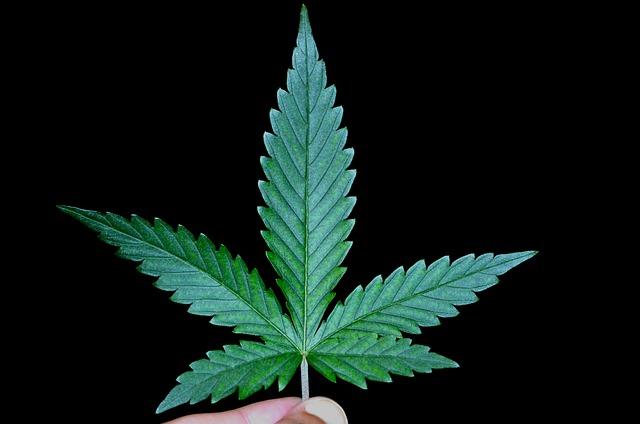
Imagine walking into a busy retail floor where glass jars and sleek packages promise the next generation of hemp products – and tucked among them is a compound with a quiet,complicated story: THCA. Tetrahydrocannabinolic acid,the raw,non‑intoxicating precursor to THC,has captured the attention of consumers and regulators alike. For retailers, THCA sits at the intersection of opportunity and uncertainty: desirable for its novel product potential, but entangled in an evolving web of federal rules and interpretations.
This 2024 update slices through the jargon and headlines to give retailers a clear-eyed view of the federal landscape as it stands today. Rather than a definitive legal pronouncement, the article maps recent developments, highlights the practical compliance issues that matter at the register and in the supply chain, and flags the areas where change remains likely. You’ll find what regulators are watching, why chemical conversion and testing methods matter, and how to reduce legal and operational risk while serving customers responsibly.
Neutral in tone but practical in purpose, this piece is aimed at helping retailers make informed choices – not to replace legal counsel, but to make sure you know what questions to ask, what documents to demand, and what lines of caution to draw as federal policy around THCA continues to evolve.
2024 Federal Update on THCA hemp and What It Means for Retailers
Federal guidance issued in 2024 has sharpened the spotlight on how THCA-containing hemp products are evaluated under the hemp definition. Regulators emphasized that potency measurements should account for cannabinoids that can convert to delta‑9 THC during normal use or testing, which means THCA is no longer treated as an innocuous outlier in many testing regimes.For retailers this translates into a clearer, but tighter, compliance landscape: products that test low in delta‑9 on a raw basis may still trigger scrutiny if their THCA content can materially increase delta‑9 levels after decarboxylation.
The practical impact inside stores is immediate and operational. merchants should revisit sourcing, shelf presentation, and consumer education to avoid inadvertent regulatory risk. Packaging that highlights raw THCA potency without context can attract enforcement attention, and products intended for inhalation or high‑heat applications now carry greater uncertainty as of conversion potential. Insurance, banking, and interstate shipment considerations have also become more conservative among service providers-meaning retail decisions will need to account for upstream and downstream partners, not just on‑shelf compliance.
Start with a clear checklist to shore up risk controls and preserve consumer trust:
- Batch testing: insist on Certificates of Analysis that report total THC (including post-conversion estimates).
- Labeling: present THCA values in context and avoid therapeutic claims.
- Staff training: ensure floor associates can explain potency and legal nuances to customers.
- Supply vetting: prefer vendors with robust testing protocols and traceability.
These measures won’t eliminate all ambiguity, but they reduce the chance that a product is deemed non‑compliant after the fact.
| Risk level | Typical Sign | Recommended Action |
|---|---|---|
| Low | Low THCA & low delta‑9 | Standard COA + on‑shelf info |
| Medium | High THCA, low delta‑9 on dry weight | Confirm total‑THC after decarboxylation; tighten labeling |
| High | THCA + inhalable delivery | Consider pull from sale untill cleared by lab |
Retailers who translate the new federal cues into stronger testing and clearer consumer communication will be best positioned to navigate enforcement changes while keeping customers informed and safe.

Decoding Federal Rulemaking and Agency Guidance Affecting THCA
Federal agencies are quietly reshaping how THCA products are parsed under existing law, and the difference often comes down to definitions and measurements. The 2018 Farm Bill hinges on a product containing no more than 0.3% Δ9‑THC on a dry weight basis, but THCA complicates that radiant line because it decarboxylates into Δ9‑THC when heated. Regulators and rulemakers frequently reference the industry standard conversion factor (≈ 0.877) used to calculate “total THC” from THCA, and draft guidance or enforcement memos that tweak how labs must report that number can instantly change whether a SKU sits on the legal side of the line.
Different agencies bring different focal points-and different potential outcomes-for retailers. The Department of Agriculture writes and enforces hemp testing protocols that determine what can be cultivated and sold as hemp; the Food and Drug Administration targets safety, labeling, and drug/food claims; and the Drug Enforcement Administration monitors whether novel cannabinoids or extracts could be treated as controlled substances. Keep an eye on each agency’s publication channels: proposed rules, guidance documents, and enforcement bulletins in the Federal Register are where interpretations solidify into practice.
- Certificates of Analysis (COAs): insist on COAs that show Δ9‑THC and THCA separately plus a calculated total THC.
- Labeling and marketing: avoid therapeutic claims that invite FDA scrutiny and ensure potency statements match tested values.
- Batch traceability: maintain testing records and harvest/production documentation in case of sampling disputes.
- State variance: remember that state rules might potentially be stricter than federal guidance-compliance must satisfy both.
| Agency | Watch For |
|---|---|
| USDA | hemp testing protocols and lab accreditation |
| FDA | Labeling, food/drug claims, and consumer safety letters |
| DEA | Definitions that could classify THCA-derived THC as controlled |
| CBP | Import controls and admissibility of hemp products |

Risk Assessment and Enforcement Trends for Retail THCA Products
Regulatory ambiguity around acidic cannabinoids has shifted risk assessment from purely chemical measurement to a more holistic view of product lifecycle.Retailers must evaluate not just the initial THCA concentration but how that figure behaves under normal consumer use – heat, infusion, or prolonged storage can convert THCA into delta‑9 THC, potentially pushing a product over the federal 0.3% THC threshold. Because enforcement often hinges on post‑use potency and consumer exposure rather than lab paperwork alone, static COAs are increasingly seen as insufficient evidence of compliance.
Enforcement patterns over the past year show a patchwork approach: federal agencies signal priorities through guidance and seizures, while states and municipalities vary widely in tolerance and tactics. Common triggers that draw regulatory attention include questionable labels, inconsistent third‑party test results, and distribution into jurisdictions with stricter rules. Inspectors also target products making unapproved therapeutic claims or those tied to youth access concerns.In short, visibility increases scrutiny.
practical mitigation moves from reactive to preventive. Retailers who reduce enforcement risk tend to adopt several consistent policies:
- Require comprehensive COAs that include stability and post‑decarboxylation testing where applicable.
- Maintain strict chain‑of‑custody and batch traceability for every lot.
- Label transparently with heat and storage warnings and avoid medical claims.
- Limit interstate shipments to states where the product profile and documentation clearly comply.
These steps don’t eliminate risk, but they shift it toward defensibility and make retailers more resilient during audits or inquiries.
| Risk level | Common Indicators | Recommended Retail Action |
|---|---|---|
| Low | Stable COAs, no heat‑use claims |
Maintain records, regular re‑testing |
| Medium | Variable lab results, novel formats (edibles, vape) |
Limit sales channels, add consumer warnings |
| High | Post‑use THC >0.3%, health claims |
Pull inventory, consult counsel |
Next Steps for Retailers: Policy Monitoring, staff Training, and Legal Safeguards
Federal and state rulings around THCA are shifting fast, so build a simple, repeatable process to stay ahead. Assign a compliance owner who receives regulatory alerts, summarizes changes for the team, and flags product lines that need re-evaluation. Keep a single source-of-truth folder-digital and backed up-where lab certificates, labeling specs, and state registration documents live. Small, daily check-ins (even five minutes) are more effective than ad-hoc crisis responses when laws move quickly.
Staff readiness is as important as paperwork. Train floor and online teams on core scenarios so they can respond confidently and consistently. Consider a compact curriculum that covers:
- product knowlege – THCA vs.THC, potency limits, and accepted lab reports.
- Age verification – scripts and ID scanning best practices.
- Labeling & claims – what language to avoid and what must be disclosed.
- Incident response – how to document, who to escalate to, and when to pause sales.
Role-playing brief retail scenarios during staff huddles turns policy into muscle memory.
Use a concise checklist to convert those ideas into action. The table below can be printed, pinned near the register, or added to your internal wiki for fast reference.
| Action | Purpose | Cadence |
|---|---|---|
| Monitor regulatory feeds | Spot federal/state shifts early | Daily |
| Staff refresher | keep sales compliant and consistent | Monthly |
| Legal & testing review | Ensure paperwork backs claims | Quarterly |
lock in legal safeguards that reduce business risk: retain chain-of-custody records for inbound inventory, require up-to-date third-party COAs on every lot, and build simple disclaimers vetted by counsel for marketing materials.Maintain a relationship with a informed attorney and an insurer familiar with cannabinoid products – those partnerships pay dividends when questions arise. Practical habits-timestamped uploads of COAs, paired SKU-to-lot tags, and scheduled internal audits-turn uncertain regulation into manageable operations.
In Retrospect
As the dust settles on another year of regulatory shifts, the federal picture for THCA hemp remains a moving mosaic rather than a finished painting. for retailers, that means opportunity tempered by caution: there’s growing consumer interest, but the rules that govern sales, testing, and labeling continue to change and vary by jurisdiction. Staying informed, documenting compliance, and prioritizing product safety will keep your business on firmer ground.
Think of 2024 as a checkpoint, not a finish line. Monitor federal agency pronouncements, watch state-level rules for conflicts or stricter standards, insist on rigorous lab testing and clear labeling, and build relationships with legal and compliance experts who can translate new guidance into practical steps for your shelves. Doing so preserves trust with customers and reduces regulatory risk.
Ultimately, triumphant retailers will be those who treat the THCA market as they would any other fast-evolving category: curious, cautious, and prepared. Keep learning, keep testing, and keep your compliance radar tuned – the landscape may shift again, and being ready will make all the difference.

