


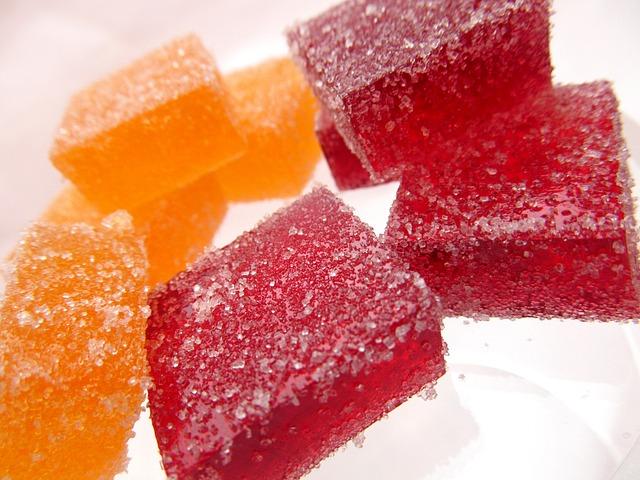
You know the moment: a glossy display of gummies catches your eye, but the usual gelatin-packed, sugar-bright options don’t fit the lifestyle you’ve built. Maybe you’re cutting back on Delta-9, exploring subtler cannabinoid profiles, or simply committed to cruelty-free ingredients.Whatever the reason, vegan THCa gummies are carving out a quiet corner on dispensary shelves and online storefronts – familiar in form but different in substance.
THCa, the raw, acidic cousin of Delta-9-THC, is drawing interest as an option for those who want to rethink their cannabis experience without abandoning the gummy ritual. Vegan formulations swap animal-derived gelatin for pectin or other plant-based binders, making these products appealing to plant-forward shoppers. This article will help you navigate that emerging aisle: where to look nearby, how to read labels and lab reports, and what practical questions to ask retailers – all while keeping an eye on local regulations and quality markers so your hunt ends with confidence rather than confusion.
Verifying Vegan Claims and Purity: Reading ingredient lists and interpreting third party lab reports
Labels are a first line of defence when hunting for truly plant-based THCa gummies. Scan beyond the pretty branding: look for the specific gelling agent (for example, pectin or agar-agar signals vegan; gelatin does not). Watch for sneaky animal-derived additives such as carmine (red color), shellac (glaze), beeswax, or ambiguous terms like “natural flavors” – these can hide non-vegan sources. Also note whether sweeteners and humectants are plant-derived (e.g.,vegetable glycerin) or unspecified; when in doubt,a quick message to the manufacturer can clear up the origin.
Use this quick checklist while reading ingredient lists and product pages:
- Explicit vegan certification (third-party logos or phrasing).
- Clear gelling agent named – pectin, agar, starches, or carrageenan.
- Color and glaze disclosed – avoid carmine, shellac, beeswax.
- allergen and cross-contact statements (shared equipment with dairy,gelatin,etc.).
- Batch number or lot code visible on the package to match a lab report.
third-party lab reports (Certificates of Analysis, coas) are the other essential proof.A legitimate COA will list the product’s batch/lot number, testing date, and the lab’s accreditation (look for ISO/IEC 17025 where possible). read the cannabinoid panel to confirm the THCa concentration and any measured Delta-9 levels; labs usually present values in mg/g or percentage. Equally vital are contaminant screens: check for pesticides, heavy metals (lead, arsenic, cadmium, mercury), residual solvents, and microbial results. If a COA uses unfamiliar abbreviations, most labs include a legend – and reputable sellers will help interpret the data.
| Document | Why it matters | Quick check |
|---|---|---|
| Ingredient List | Shows potential non-vegan additives | Find pectin/agar; avoid gelatin/carmine |
| COA (Potency) | Confirms THCa level and cannabinoid profile | Match batch number; check mg/g |
| COA (Contaminants) | Ensures safety from toxins | Look for ND (not detected) or values below limits |

Understanding Legal and Safety Considerations: How to check local laws and product compliance
Laws and safety rules around cannabinoid products change quickly and vary widely by city,county and country. Start with official sources: your state or national cannabis control agency and the local municipality website. Remember the federal hemp threshold of 0.3% delta‑9 THC (in many jurisdictions) can influence whether a THCa product is treated as hemp or a controlled substance, but local statutes and court rulings often override that baseline-so don’t rely on hearsay or social media posts for legal clarity.
Before buying, confirm legal status and practical limits: licensing for retailers, age restrictions, possession caps and whether THCa or delta‑9 analogs are explicitly regulated. If you need a quick checklist to follow when assessing legality and compliance, keep this front-of-mind:
- Check official regulators-state cannabis board, public health department, or national drug agency.
- Verify retailer credentials-licensed dispensaries will usually post license numbers and contact info.
- confirm product labeling-ingredients, batch number, and clear cannabinoid percentages.
- Request a COA (Certificate of Analysis) from a third‑party lab and scan QR codes when available.
- Look for local ordinances-some cities ban storefront sales even when state law allows them.
| Test | What to check |
|---|---|
| Cannabinoid profile | THCa/THC levels-match label and legal limits |
| Pesticides & solvents | Undetectable or below safety thresholds |
| Heavy metals & microbes | Within acceptable ranges for human consumption |
Product safety goes beyond legality. Ask for vegan certification if that matters to you, confirm allergen declarations, and prioritize products in child‑resistant packaging with clear dosing guidance. Be wary of unusually cheap items or sellers unwilling to share a lab report-those are red flags for mislabeling or contamination. if you’re on medication, pregnant, or have health concerns, consult a healthcare professional before trying a new cannabinoid product.

Allergen and Dietary Checks: Pectin versus gelatin, gluten free options, and other vegan concerns
When scanning labels for plant-based THCa gummies, the first ingredient to spotlight is the gelling agent.Pectin – extracted from citrus peels and apple pomace – is the vegan champion: it sets in high-sugar environments and gives gummies a slightly tender, less rubbery bite than animal-derived alternatives. Gelatin,on the other hand,comes from animal collagen and produces the classic chewy texture; it’s a clear non-vegan ingredient to avoid. pay attention to ingredient order and look for phrases like “made with fruit pectin” or “vegetarian gel” if the manufacturer lists alternatives such as agar-agar or carrageenan.
Allergen risk is not limited to obvious culprits. Cross-contamination during manufacturing can introduce gluten, dairy, or nut residues even if the primary recipe is vegan. Always check for explicit statements like “manufactured in a facility that also processes wheat, milk, soy”. Some additives – for example, maltodextrin – can be sourced from wheat or corn, so when gluten-sensitivity is a concern, it’s wise to verify the source with the producer rather than assuming safety.
Colorants, glazes, and coatings are frequent hidden traps for strict vegans. Natural red dyes labeled as carmine or cochineal are insect-derived and non-vegan; shellac and beeswax are common glossy finishes that also fail vegan scrutiny. Look instead for gummies using plant-based colors (beet, turmeric, spirulina) and glazes such as carnauba wax. For people with multiple dietary needs, manufacturers that display clear certification badges – Vegan, Gluten-Free, Allergen-Free – make vetting far easier.
- Quick checks: ingredient sourcing,facility warnings,and certification logos
- Ask: origin of maltodextrin,source of lecithin,and type of glaze used
- watch: “natural flavors” can hide dairy or seafood derivatives
| Ingredient | Vegan? | Texture | Common Concerns |
|---|---|---|---|
| Pectin | yes | Soft,slightly tender | May require high sugar; check for citrus allergens |
| Gelatin | No | Chewy,elastic | Animal-derived; obvious non-vegan |
| Agar / Carrageenan | Yes | Firm,sometimes brittle | Texture varies; carrageenan can cause sensitivity in some |
In Retrospect
Whether you’re navigating dispensary shelves,scrolling local online menus,or asking for recommendations at a neighborhood smoke shop,finding vegan THCa gummies is less about luck and more about knowing where to look. think of it as mapmaking: read labels for plant-based ingredients,seek out third‑party lab results,confirm the product’s legal status in your area,and favor vendors who are transparent about sourcing and testing.
If you do decide to try them, approach with curiosity and caution – start low, go slow, and check with a healthcare professional if you have questions or take other medications. With a bit of research and mindful shopping, you can find a vegan THCa gummy that fits your values and needs. Safe travels on your search.

