


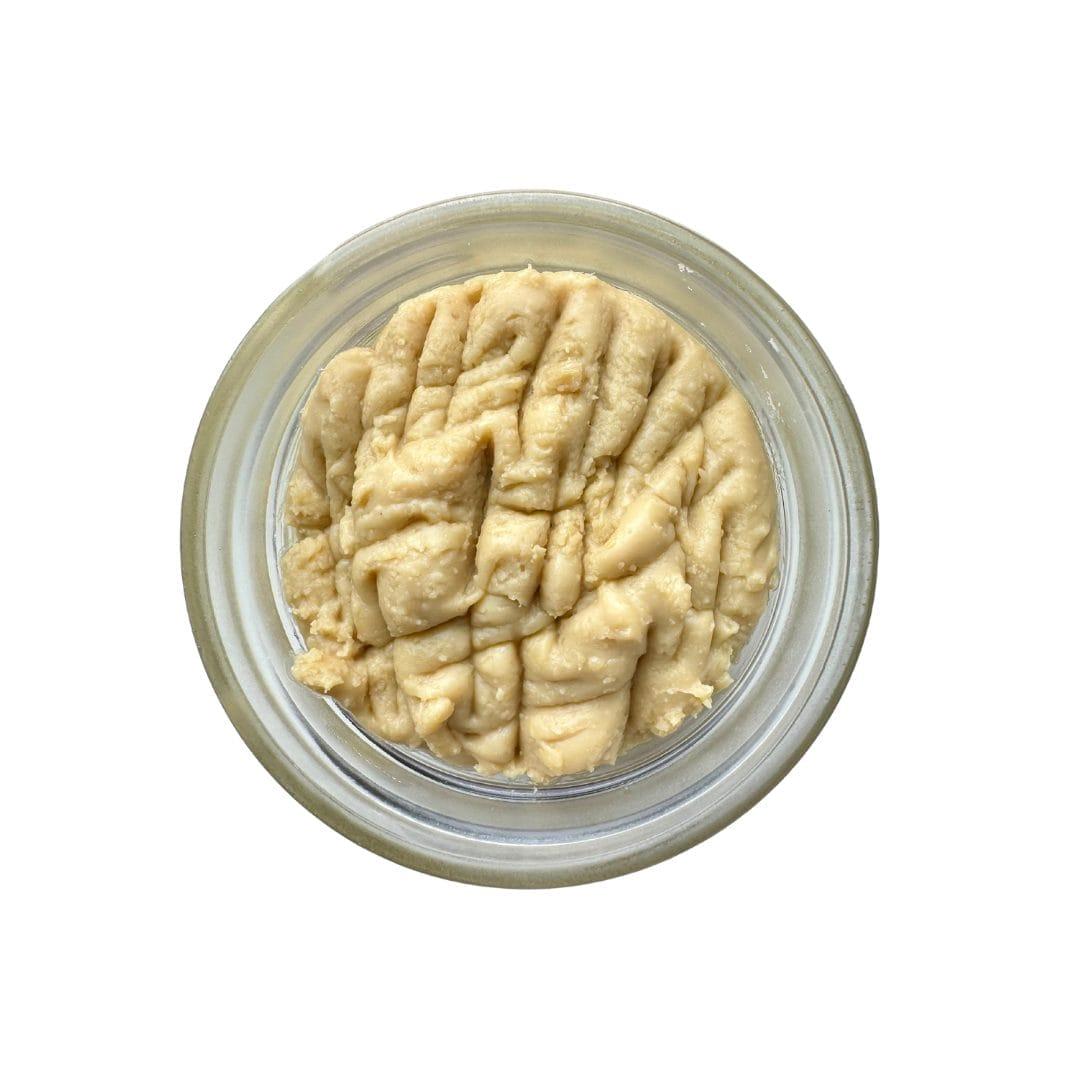
Across warehouses and storefronts, THCa – the acidic precursor to THC – has become a commodity tracked in pounds as much as in product SKUs. What was onc a niche line item on cultivation reports now shows up on balance sheets and regional market maps, where price-per-pound and yield-per-acre shape strategic decisions for growers, processors, and brands alike.
This article unpacks THCa market growth through two lenses: brand-level performance and regional dynamics. We’ll trace how established and emerging brands are translating cultivation capacity and processing efficiencies into competitive pricing,and how local regulations,climate,and supply chains create pockets of surplus or scarcity that move the per-pound market.
expect a data-driven tour that balances numbers with context: price trends, volume shifts, market share changes, and the regulatory and logistical forces behind them. The aim is not to pick winners, but to provide a clear, neutral picture of where THCa value is being created – and how that value varies from brand to brand and region to region.
Regional Footprints and Local Policy Effects Shaping Per Pound Supply and Demand
Markets for THCa evolve as mosaics of local rules, consumer tastes, and logistical realities – and those mosaics directly shape the economics per pound. Coastal metros with mature retail networks often show healthy demand but tighter regulatory cages that raise production costs; inland distribution hubs can absorb larger volumes but often face lower unit prices.For brands, the arithmetic of supply versus demand is not just about cultivation yields; it’s a strategic balancing act of where to place inventory, which product formats to push, and how to reconcile local testing or waste rules with thin per-pound margins.
Local policy levers act like invisible conveyors moving costs up or down the stack. A stringent testing regime or high excise tax converts a comfortable grow-cycle into a heavy overhead that eats into the value of each pound; conversely, permissive licensing and interoperable lab networks can expand throughput and soften price spikes. Key policy elements that most immediately influence per-pound dynamics include:
- licensing caps - limits on producer numbers reduce local supply elasticity.
- Testing & potency rules – add time and cost per batch, shifting landed cost per pound.
- Taxation structures – excise and local taxes compound at wholesale, compressing margins.
- Waste and packaging mandates – increase disposal costs and shrink usable yield.
| Region | Avg price / lb | supply Status | Regulatory Pressure |
|---|---|---|---|
| West Coast | $1,800 | Balanced | High testing & taxes |
| Midwest | $1,200 | Surplus | Moderate licensing |
| Northeast | $2,200 | Shortage | Strict potency rules |
| South | $1,000 | Variable | Limited market access |
Brands that wont growth measured by pounds must think like regional logisticians: hedge production across jurisdictions, lean into contract growing in low-cost regions, and invest in compliance-heavy processes where regulations inflate per-pound costs. Practical moves include forming local partnerships, vertically integrating to control post-harvest losses, and building flexible SKUs that can be reformulated for stricter markets.Bold, targeted strategies – such as shifting higher-margin concentrates into tighter markets while selling bulk biomass into surplus regions - frequently enough determine whether a pound becomes a profit centre or a compliance liability.
Scenario Forecasts for Per Pound Growth based on Historical Data and Emerging Trends
historical pricing patterns establish a clear baseline: mills of reliable THCa supply historically moved within a tight band, with seasonal harvest cycles and regulatory shifts nudging averages rather than collapsing them. Using five years of transactional data, we model a baseline trajectory that accounts for inventory velocity, extraction efficiencies, and tax adjustments-then layer in emerging influences such as large-scale brand buy-ins and expanding retail footprints. The result is a set of plausible per-pound outcomes that reflect both memory (what the market learned) and momentum (what the market is becoming).
Three distinct scenarios emerge when we translate those outcomes into per-pound forecasts: a conservative path driven by oversupply correction, a moderate market maturation path as brands professionalize, and an aggressive expansion path led by national chains and cross-state supply agreements. The table below summarizes expected annualized changes and the key assumptions behind each scenario.
| Scenario | 2026 CAGR (per lb) | 2028 Delta vs 2024 | Key Assumptions |
|---|---|---|---|
| Conservative | -2% to 0% | -5% to -1% | Inventory hangover, price pressure |
| moderate | 3%-6% | +6% to +12% | brand consolidation, steady demand |
| Aggressive | 10%-15% | +18% to +30% | National rollouts & premiumization |
Regional and brand-level effects will color these aggregate scenarios. Coastal markets with premium branding tend to track the aggressive path, while legacy agricultural regions-where commodity pressure is stronger-lean toward conservative outcomes. Key drivers to watch include:
- Regulatory shifts – licensing changes can compress or expand supply rapidly.
- Brand consolidation – scaling reduces per-pound input costs for leading labels.
- Processing tech – efficiency gains lower break-even per pound.
- Retail channel mix – direct-to-consumer and cross-state sales lift realized prices.
Sensitivity runs show that a 10% improvement in extraction yield or a single major retailer adopting premium THCa SKUs can pivot a market from moderate to aggressive within 12-18 months. For brands, the strategic takeaway is clear: invest in yield and differentiation now to capture upside, but hedge for downside through diversified regional supply agreements.
Actionable Recommendations for Brands and Regions to Optimize Per Pound Returns
To push per-pound returns upward, brands must treat biomass as a flexible commodity rather than a single-use crop. Focus on varietal selection that balances high THCa potency with robust terpene profiles-these command a premium in both the flower and concentrate markets. Invest selectively in post-harvest infrastructure (precision drying, controlled curing, and cold-chain storage) so you can shift product between flower, live resin, and crude extraction depending on market price signals. Where margins are thin, convert lower-grade trim into high-value derivatives (distillate, isolate, or branded vape cartridges) rather of discounting bulk flower.
Regional strategies should be surgical: align product mix to local demand curves and regulatory nuance. In markets with tight testing or heavy taxation, reduce lab failure risk by tightening pre-harvest QA and choose processing pathways that minimize tax exposure (e.g., extraction over bulk flower in some jurisdictions). Build distribution partnerships that prioritize premium dispensaries and direct-to-consumer channels in mature markets, while leaning on wholesale and co-packing in emergent markets to scale fast without heavy capex.
| Region | Recommended Focus | Estimated $/lb Lift |
|---|---|---|
| West Coast | Premium flower & live resin | $150-$350 |
| Northeast | Compliance-first extracts & branded cartridges | $100-$250 |
| Midwest | Cost-efficient distillate & vertical partnerships | $75-$200 |
Practical, tactical actions that yield measurable per-pound gains:
- SKU rationalization - retire low-turn SKUs to concentrate margin-driving SKUs.
- Dynamic harvest scheduling – stagger harvests to smooth lab throughput and avoid dilutive testing failures.
- Data-driven pricing - run small A/B price tests by channel and convert winners to permanent pricing bands.
- Premium micro-batches – market-limited runs that convert small quality differentials into outsized price premiums.
- Local partnerships – contract with regional packers for compliance expertise and reduced shipping/tax friction.
These moves, combined with disciplined cost-to-yield tracking and frequent lab auditing, translate directly into higher realized dollars per pound across brand portfolios and regions.
In Retrospect
As the numbers in this report show, THCa market growth measured per pound is less a single trendline than a patchwork of local climates: some brands harvest rapid gains, some regions steady climbs, and others plateau as regulation and supply dynamics rearrange the landscape. Looking at per-pound metrics gives producers and buyers a practical lens – it sharpens questions of efficiency, pricing strategy and regional investment – while brand-level splits reveal where differentiation and quality are winning market share.
Readers should take away three practical impulses: treat per-pound growth as a tactical metric, read brand and regional data together rather than in isolation, and expect continued volatility as legal frameworks and consumer preferences evolve. The story this data tells is not finished; it’s a map for the next quarter’s decisions rather than a final destination. Keep watching the shifts, measure outcomes against costs, and let the per-pound perspective guide careful, data-driven moves in an ever-changing market.
