


Imagine a bouquet of scents – shining citrus peeled back to reveal sticky mango, underlined by a whisper of pine and a soft, herbal finish – each inhale a small, intentional ritual.In the world of cannabis chemistry, flavor and affect are intimate partners: terpenes and minor cannabinoids sketch the palate while cannabinoid content like THCA defines the canvas. This article explores that meeting point, focusing on lab-tested, flavorful THCA strains that many users seek out for their calming, mellowing qualities.
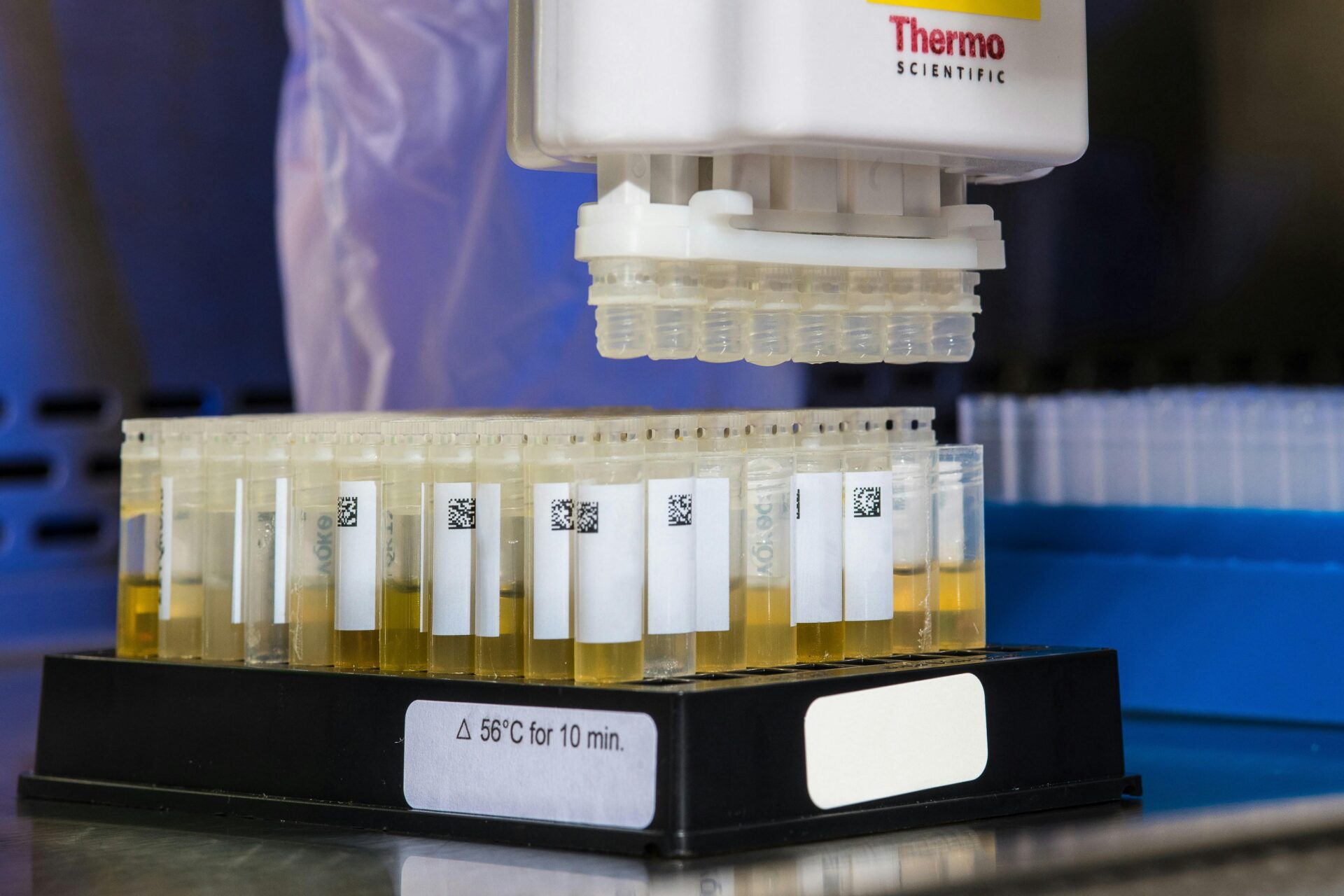
“Lab-tested” is more than a seal; itS a promise of openness. Reliable lab reports quantify THCA and terpene profiles and screen for contaminants, allowing consumers and cultivators to choose with confidence. Flavor-forward strains can guide the experience just as much as potency does – a lemony terpene may brighten perception, a linalool-rich profile can suggest floral tranquility – but relaxation remains subjective and nuanced, shaped by chemistry and context alike.
We’ll take a guided tour through strains where taste and tested data align, offering tasting notes, reported THCA and terpene breakdowns, and what those numbers might mean for an evening of unwinding.Weather you’re a curious connoisseur, a grower refining your next run, or someone seeking a gentler botanical option, this piece aims to illuminate the flavorful side of THCA with clear lab-backed viewpoint and sensory curiosity.

Terpene Fingerprints and flavor Notes That Promote Deep relaxation
Lab-verified terpene combinations act like a flavor blueprint for calm: they tell you what to expect even before the first inhale. In THCA-forward cultivars, these aromatic compounds interplay with cannabinoid profiles to shape sensation – earthy myrcene can soften the edges, while linalool’s floral notes tend to smooth mental chatter. Small differences in terpene ratios create distinct relaxation pathways, so knowing the fingerprint helps you choose a strain that reliably encourages deep rest rather than unpredictable sedation.
Below are common calming terpenes and the flavor cues that often accompany a restful effect. Each entry reflects lab-tested trends observed across multiple samples rather than a single anecdote. consider these as sensory signposts when matching a flavorful THCA cultivar to your evening routine:
- Myrcene – Herbal, clove-like; associated with muscle relaxation and a heavy, grounding mouthfeel.
- Linalool – Lavender floral; promotes a gentle,calming clarity without clouding focus.
- Beta-caryophyllene – Peppery, woody; offers a warm, stabilizing sensation that pairs well with deep breathing.
- Terpinolene – Piney, citrus-tinged; lighter on sedation but enhances a mellow, introspective mood.
Flavor snapshots and practical notes:
| Terpene | Flavor | Relaxation Cue |
|---|---|---|
| Myrcene | Earthy, clove | Pre-sleep body calm |
| Linalool | Lavender, floral | Gentle mental ease |
| Beta-caryophyllene | Peppery, woody | Warm, stabilizing calm |

Interpreting Certificates of Analysis: Key Markers to Confirm Quality and Safety
A Certificate of Analysis is more than a list of numbers – it’s a forensic snapshot of a single batch.Start by confirming the essentials: Sample ID, Batch or Lot number, and the COA date to ensure the report actually matches the product in your hands. Pay close attention to the potency section: robust labs report both THCA% and the calculated total potential THC after decarboxylation. Look for clear methodology notes (GC/MS or HPLC) and an explicit statement of limit of quantitation (LOQ) or detection (LOD) so you know what “non-detect” truly means.
Safety is equally critical. A clean terpene chart and high THCA number mean little if contaminants are present. Check the following at a glance:
- Pesticides – ideally “ND” (non-detect) or below regulatory action levels.
- Residual solvents – solvents should be reported with method and limits; common safe standards are in the ppm range.
- Heavy metals – lead, cadmium, arsenic and mercury should be below established limits.
- Microbial contaminants – total yeast, mold and pathogenic bacteria should be absent or below threshold.
- Terpene profile – a rich, varied profile (myrcene, limonene, pinene, etc.) signals cultivation and curing care,and hints at the sensory experience.
be alert to red flags and interpretative nuance. A COA without an accredited lab name, missing methods, or oddly rounded numbers can indicate low confidence. recent COAs, matching batch IDs and lab certifications (ISO/IEC 17025) increase reliability. Use this rapid reference when scanning reports:
| Marker | Good sign | Red Flag |
|---|---|---|
| Potency (THCA) | Clear method, %THCA + total THC | No method, vague totals |
| Pesticides | Non-detect or below limits | Listed positives or missing panel |
| Residual solvents | reported with ppm limits | No solvent results |
| Lab accreditation | ISO/17025 or state-accredited | Anonymous lab, no credentials |
In Summary
As you close the jar on this survey of lab-tested, flavorful THCA strains for relaxation, remember that the most memorable sessions are the ones informed by good data and quiet curiosity. Lab certificates turn anecdote into insight, flavor profiles guide the palate, and careful dosing shapes the experience – together they help you find a strain that soothes rather than surprises. Think of your search as tuning an instrument: small adjustments, attention to source, and patience yield the clearest notes.If you decide to explore further, prioritize verified lab results, reputable suppliers, and your own comfort level. Keep expectations grounded,follow local laws,and consult a healthcare professional if you have questions about interactions or medical concerns. With thoughtful choices and a mindful approach, a flavorful, lab-vetted THCA option can become a reliable companion on evenings when you’re simply seeking to unwind.

