



Imagine holding the map to an unfamiliar landscape: the contours are intriguing,the landmarks unfamiliar,and the path ahead feels promising but uncertain. That’s what beginning with THCA can feel like – a new chapter in the broader world of cannabinoids,full of potential but best approached with measured steps. This swift-start guide is designed to be your straightforward compass: clarifying what THCA is, why dosing matters, and how to begin responsibly so you can find what works for you without unnecessary detours.
THCA (tetrahydrocannabinolic acid) is the raw, non-intoxicating precursor to THC that appears in fresh cannabis plant material and some specialized extracts. Its effects, how it’s absorbed, and how much is “right” vary widely depending on the product, consumption method, and individual sensitivity. Because there’s no universal dose that fits everyone, the emphasis here is on practical principles - how to read product labels, how to measure consistently, how to titrate slowly, and what safety and legal considerations to keep front of mind.
This guide steers clear of one-size-fits-all prescriptions. instead, you’ll find a concise, step-by-step approach for beginners: basic terminology, quick checks to assess potency, simple titration strategies, and sensible precautions to minimize adverse effects. Whether you’re curious for wellness reasons, research, or personal interest, this primer will help you begin confidently and cautiously – turning uncertainty into informed action.
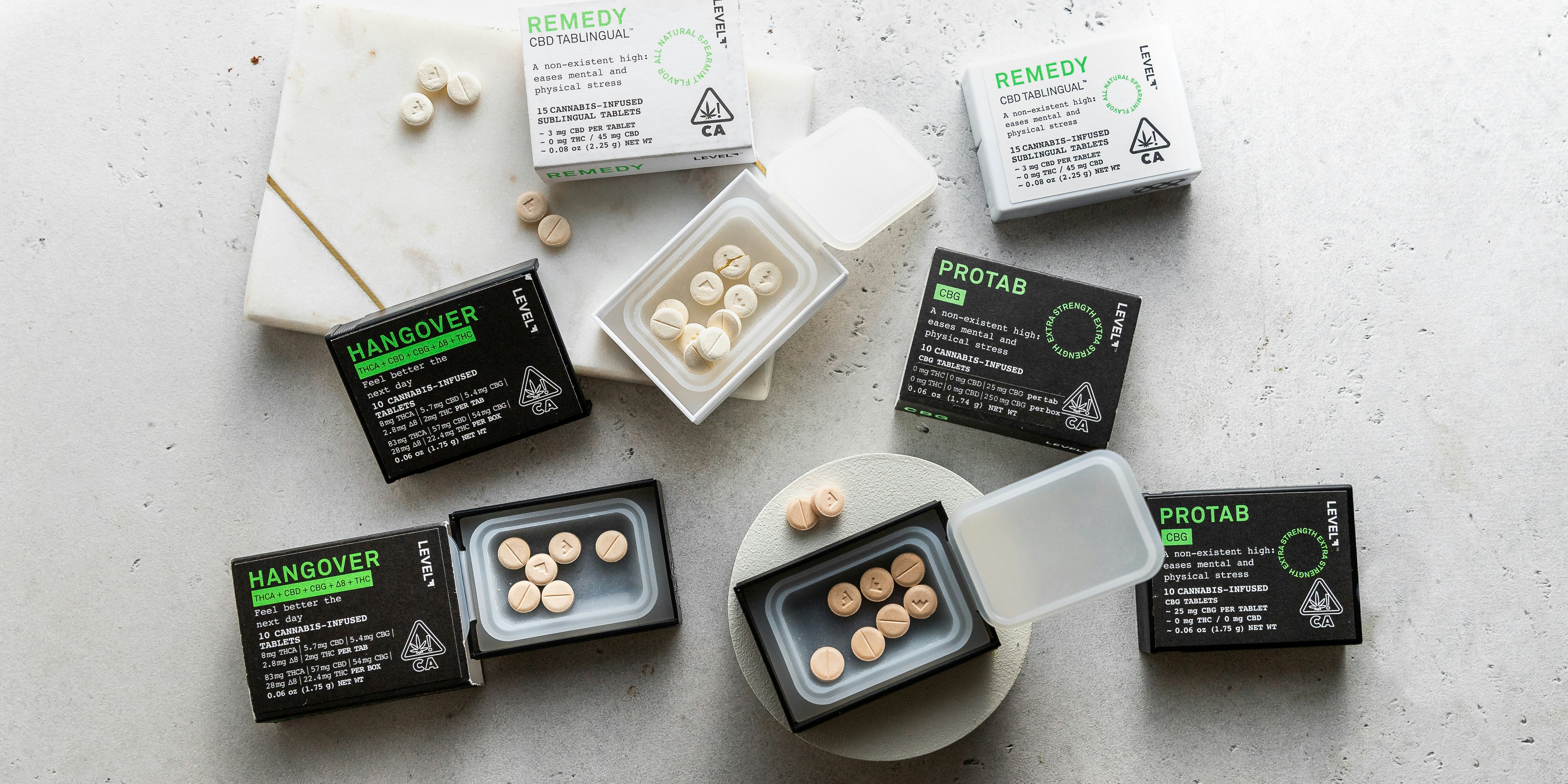
Decoding THCA: How It works, What to Expect, and Why it Matters
THCA is the raw, acidic precursor found in fresh cannabis flower and concentrates - a molecule that doesn’t behave like the familiar THC until it’s heated.In its native form it’s largely non-intoxicating and interacts with the body differently than activated THC; researchers point to anti-inflammatory, neuroprotective, and appetite-modulating signals, though the science is still emerging. The transformation that matters is decarboxylation: apply heat and THCA loses a carboxyl group to become psychoactive THC, which changes both the effect profile and how you should approach dosing.
Expect subtlety when using raw or cold-extracted products: juices, cold tinctures, and some capsules can deliver relief without a high, which is why many beginners start there.Once heat is introduced – vaping, smoking, baking – potency and onset change drastically. A practical mindset is key: start low, go slow, track how long effects develop for your chosen method, and remember that labeling and conversion rates vary between products and processors.
- Method: raw vs heated
- Product purity: lab-tested THCA content
- Tolerance & sensitivity: previous cannabis use matters
- Onset & duration: wait times differ by route
Below is a quick reference for what to expect by route of management:
| Route | Typical Onset | Typical Duration | Intoxicating? |
|---|---|---|---|
| Raw/cold tincture | 15-60 minutes | 2-6 hours | Usually no |
| Inhalation (vape/smoke) | Within minutes | 2-4 hours | Yes, if decarboxylated |
| Edible/baked goods | 30-120 minutes | 4-8+ hours | Yes, often stronger |
Why this decoding matters: understanding the chemistry informs safer dosing decisions and helps you choose the right product for your goals. Favor lab-tested items, keep a simple journal of dose and response, and if you’re combining with medications or managing a health condition, consult a professional. Clarity about THCA vs THC removes guesswork and puts control back in the hands of the person dosing.

A Practical Titration routine to Safely Find Your Personal Sweet Spot
Think of this as a gentle experiment: prepare a small, controlled environment and treat each session like a lab note.Gather a reliable scale or a pre-calibrated dropper, a notebook or notes app, a clock, and plain water or a light snack. Keep distractions to a minimum, and plan for a block of time (a few hours) so you can observe effects without rushing. Start low and choose a single variable to change at a time – dose amount, time of day, or product form – so you can attribute effects to that change.
Use a simple, repeatable routine to increase your amount over several sessions. Below is a conservative example many beginners follow; treat it as a template to adapt, not as a rulebook. Wait long enough between increments to capture the full effect before adding more – patience is the core of safe titration.
- Session prep: measure precisely, note the product type and environment.
- Observe: record onset, peak intensity, duration, and any side effects.
- Adjust slowly: small increases (not large doubling) after you’ve recorded at least one full session.
| Session | Example Dose | Notes |
|---|---|---|
| 1 (Baseline) | 2-3 mg | Observe for 90-120 min; record effects |
| 2 | +1 mg | Only increase if baseline was well tolerated |
| 3-5 | Small incremental increases | Stop when desired effect is consistent |
Safety and clarity are everything.Don’t mix with alcohol or sedating medications while testing, avoid driving, and keep a friend informed during early trials if you’re trying higher amounts. Common signs you’re over your sweet spot include unexpected anxiety, pronounced sedation, or physical discomfort – if they occur, hydrate, rest in a calm environment, and seek help if symptoms worsen. Log every session: sound notes turn guesswork into a reliable personal guideline you can reuse and refine.
To Conclude
As you close this quick-start map to THCA dosing, remember that learning to dose is less like following a recipe and more like tuning an instrument – small adjustments, attentive listening, and patience reveal the right note. Use the simple rules you’ve read here as a compass: start low, go slow, track responses, and prioritize product quality and legality.
Treat your experience as an experiment: keep a short log of doses, timing, effects, and any variables (food, sleep, stress). If questions or uncertainties remain, reach out to a knowledgeable healthcare provider and rely on lab-tested products from reputable sources.Above all, give your body time to respond – gentle curiosity will serve you better than haste.
If you’d like, explore the linked resources, dosing templates, and product-check guides provided earlier in the article. With safety,patience,and a little record-keeping,you’ll find an approach that fits you - one thoughtful step at a time.

