


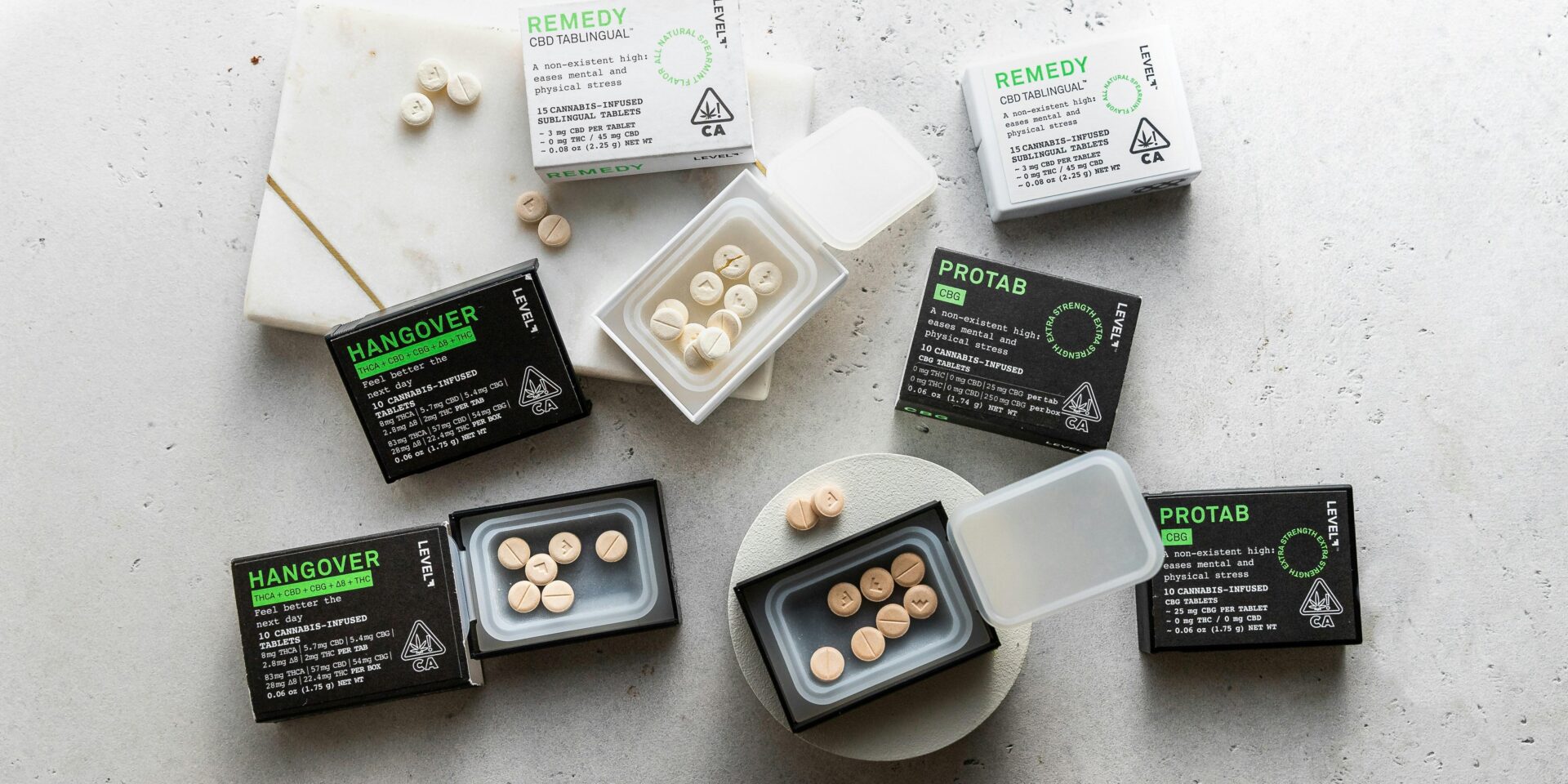
Arizona’s hemp landscape is getting a new lens. In a move that shifts regulatory focus and industry expectations, state officials have reframed how THCa – the acidic precursor to THC – is treated within Arizona’s hemp classification. The change doesn’t only alter a line on a statute; it redraws the map for growers, processors, retailers and regulators trying to navigate the thin border between legal hemp and controlled cannabis.
At its core, the update revisits how potency is measured and which compounds count toward a product’s legal threshold, an issue that has already sparked debate across states and the wider cannabis marketplace. For stakeholders, the reclassification raises practical questions: how will testing and compliance evolve, what does this mean for product formulation, and how might enforcement and consumer access be affected?
This article examines Arizona’s reframing of THCa, outlines the immediate implications for the hemp sector, and explores the broader ripple effects for testing practices, commercial strategy and regulatory clarity as the industry adapts to a shifting legal landscape.

Rewriting the rulebook: What Arizona’s THCa Hemp Classification Change Means for Law and Practice
Arizona’s recent step to reframe how THCa is treated moves the conversation from chemical curiosity to practical law. The state now looks at THCa not as an isolated cannabinoid but through its potential to become delta‑9 THC when heated – aligning classification with the substance’s ultimate psychoactive possibility rather than raw lab shorthand. for practitioners,that shift reframes evidentiary strategies,regulatory interpretations,and everyday business decisions into a new technical language of conversion,thresholds,and method validation.
- Growers: review genetics and harvest timing to stay under legally relevant thresholds.
- Processors: confirm extraction and storage practices do not inadvertently increase converted THC.
- Labs & regulators: adopt validated decarboxylation-aware testing methods and chain‑of‑custody protocols.
In courts and compliance meetings, lawyers will find nuance where blunt rules once stood.Defense counsel can contest measurement techniques; prosecutors must show how post‑processing conversion was likely or actual. Administrative bodies will be pressed to write clear guidance on acceptable testing windows, sampling points, and corrective remedies. This is less a binary criminalization and more a technical adjudication-where methodological rigor often decides outcomes.
| Actor | Immediate Concern | Quick Action |
|---|---|---|
| Growers | Crop genetics & harvest timing | Adjust schedules; document lots |
| Laboratories | Testing validity for decarboxylation | Update SOPs; staff training |
| attorneys | Evidentiary challenges | Develop technical experts |
Looking ahead, the practical playbook will emphasize transparency and preemptive compliance. Stakeholders should prioritize audited testing, robust labeling that reflects conversion risk, and insurance conversations that account for technical reinterpretations of products. By treating THCa through the lens of its convertible nature, Arizona nudges the market toward greater scientific precision – and forces every participant to translate that precision into defensible practice.

Practical Recommendations for growers Processors and Retailers to Update Operations
Arizona’s reclassification of THCa means operators must move quickly from assumption to verification. Begin by updating your sampling and testing cadence: baseline THCa profiles for each cultivar should be established pre-harvest, and rechecked before any transfer of custody. Growers should also audit seed sources and genetic documentation to reduce variability, while processors must document decarboxylation risk during drying, curing and extraction. Clear records and a named compliance owner on every batch make audits straightforward and defensible.
Operational controls can be simple but decisive. Revisit SOPs to include chain-of-custody steps for THCa-specific testing, segregate lots that approach regulatory thresholds, and adjust storage to limit heat and light exposure that could change THCa levels. For processors and retailers, lab partnerships matter: specify test methods, turnaround times and result formats in contracts, and insist on COAs that report THCa explicitly rather than relying on generic cannabinoid totals.
- Establish baseline testing: pre-harvest and pre-transfer COAs for every lot.
- Segregate inventory: tag and store high-THCa batches separately.
- Update documentation: SOPs, labels and invoices to reflect new classification.
- Train staff: frontline employees should recognize compliance flags and required COA checks.
- Schedule audits: quarterly internal reviews and annual third-party verification.
For retailers,the customer-facing layer cannot be an afterthought: display accessible COAs,ensure product descriptions avoid ambiguous cannabinoid claims,and train sales staff on compliance language. Insurance and distributor agreements should be reviewed for liability tied to reclassified products. set a short review cycle-30 to 90 days-to validate whether your changes are working and iterate quickly; regulation is evolving, and operational agility will be the best risk-mitigation tool.
| Action | Responsible | Target |
|---|---|---|
| Pre-harvest THCa profiling | Grower / Lab | 30 days |
| SOP & label updates | Operations / Legal | 45 days |
| staff training and audits | Compliance Team | 60 days |

Looking Ahead Practical Steps for Monitoring Rule Changes and preparing for Regulatory Shifts
Treat regulatory shifts as an operational rhythm rather than a one-off emergency. Establish a single point of contact to track state dockets, agency bulletins and municipal ordinances, and set automated alerts for keywords like “thca,” “hemp,” and “classification.” Keep a rolling compliance calendar with rulemaking deadlines, comment periods and enforcement windows so changes move from surprise to scheduled work. Engage counsel early for interpretive guidance and for drafting comment letters when definitions or testing thresholds are proposed.
Operationalize preparedness with repeatable processes: build robust sampling and lab-testing protocols, formalize supplier attestations, and create label-change templates that can be enacted within 48-72 hours. Train frontline staff on hold-release procedures and document retention so every batch has a clear chain of custody. Consider strategic pivots-product reformulation kits, alternate SKUs, or new packaging-that can be activated if a biochemical threshold or classification alters market eligibility. Above all, make documentation habitual: audit trails and versioned SOPs are your best defense in a shifting regulatory landscape.
- Monitor: subscribe to state rulemaking RSS feeds and industry newsletters
- Map: link rules to affected SKUs and processes in a compliance spreadsheet
- Test: maintain a preferred lab roster and hold samples for retest
- Train: schedule quarterly briefings for production, sales and legal teams
- Plan: pre-authorize budget and vendors for rapid reformulation or relabeling
| Action | Target | Owner |
|---|---|---|
| Regulatory feed setup | 72 hours | Compliance Lead |
| SKU impact analysis | 2 weeks | Product Manager |
| lab verification | 1 week | quality Control |
| Staff training session | Quarterly | HR / legal |
To Conclude
Arizona’s decision to recast THCa within the hemp classification doesn’t close the chapter so much as redraw the margins: growers, labs, retailers and regulators must all read the new map and decide where to plant their stakes. The change serves as an inflection point – prompting adjustments to testing, labeling and compliance practices while inviting scrutiny over enforcement, market impacts and possible legal challenges. For now, the move highlights how fast the rules around cannabinoids can evolve and how closely policy, science and commerce are intertwined. Stakeholders and observers will be watching implementation and any downstream effects, keeping an eye on whether this reframing becomes a model for other states or a unique detour in hemp law.As Arizona’s lines are reinked, the broader conversation about where hemp ends and regulated cannabis begins is far from settled – and the next chapters will be written by regulators, courts and the marketplace alike.

