


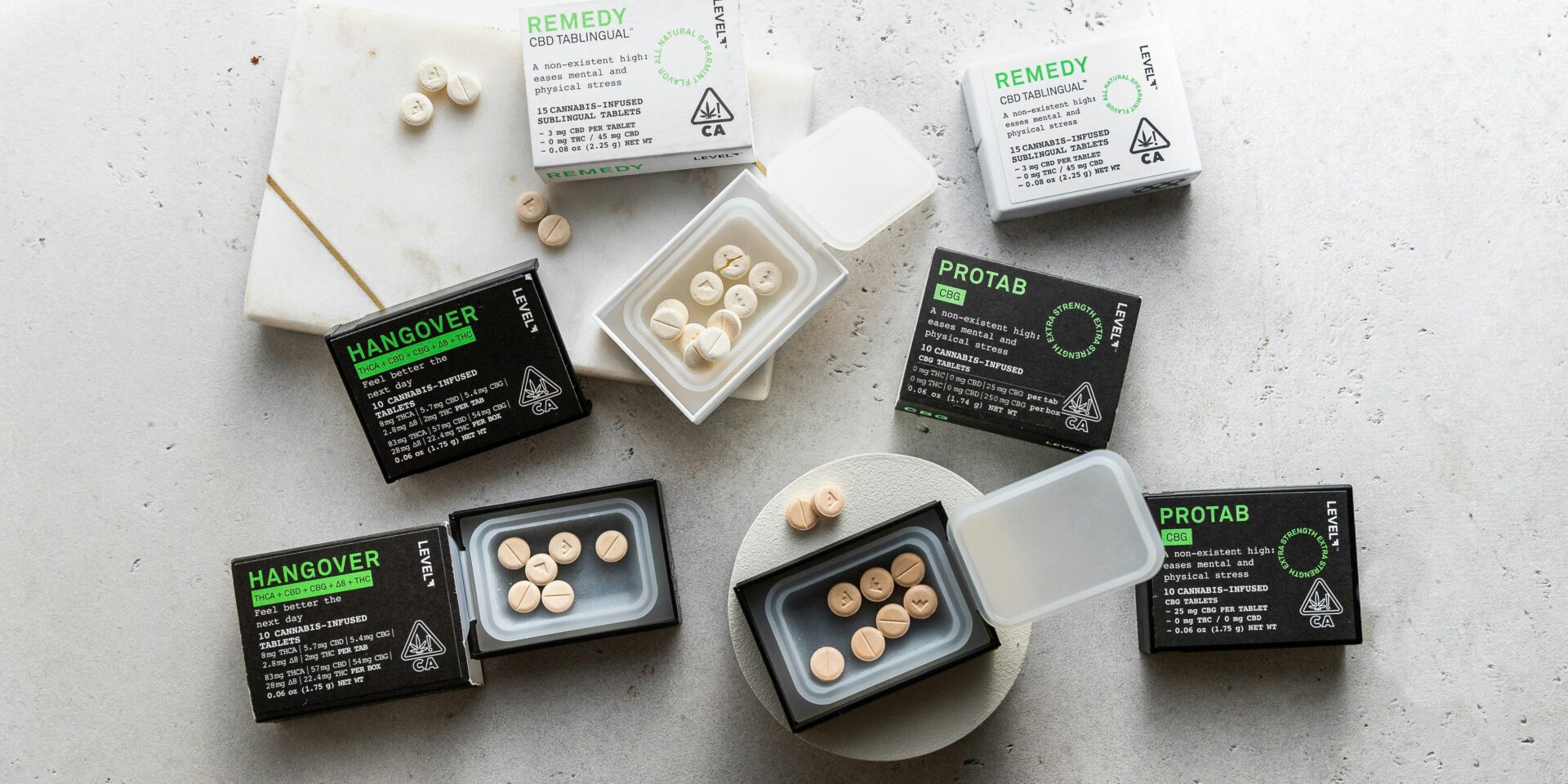
Think of THCA as a quiet prelude in the chemistry of cannabis-a compound that holds the potential for something more onc the right conditions are met. In this article, “THCA Explained: Clear Educational Tips for Learners,” we’ll demystify that prelude and give learners the concise, accurate tools they need to understand what THCA is, how it differs from THC, and why it matters across science, law, and everyday conversations.
You’ll get a straightforward introduction to the chemistry and biology behind tetrahydrocannabinolic acid (THCA), clear comparisons between THCA and its more familiar relative THC, and practical pointers for reading labels, interpreting lab reports, and thinking about decarboxylation (the process that converts THCA into THC). We’ll also highlight safety considerations, current research gaps, and the patchwork of legal contexts so readers can approach the topic with informed curiosity rather than confusion.
This piece is geared toward students, healthcare learners, policy watchers, and curious readers who want reliable, neutral explanations without jargon-heavy detours. Expect concise science, helpful study tips, and a roadmap to dig deeper-so you can move from a basic awareness of THCA to a confident, evidence-minded understanding.
What THCA is and how Its Chemistry Shapes Its Effects
THCA is the acidic precursor to the familiar psychoactive cannabinoid THC. Chemically it’s a larger, more polar molecule because it carries a carboxyl group (-COOH), which changes how it behaves in the body and in the plant. In raw cannabis tissues THCA builds up as the plant synthesizes cannabinoids; in that form it’s largely non-intoxicating because the extra acid group weakens its ability to bind and activate the brain’s CB1 receptors and limits its passage across the blood-brain barrier.
When heat or time removes the carboxyl group the molecule loses CO2 and becomes THC – a process called decarboxylation. This chemical change is simple in principle but pivotal in effect: remove the acid and the compound becomes more lipophilic, more able to cross membranes, and far better at activating CB1-mediated psychoactive pathways. Temperature, duration, and the presence of oxygen all influence how quickly and wholly that conversion happens.
- Plant chemistry: THCA coexists with terpenes and other cannabinoids, creating the plant’s unique profile.
- Processing: Heat, light, and storage drive decarboxylation and oxidation (which can form other compounds like CBN).
- Management: Eating raw material, juicing, vaporizing, or smoking produce different conversion rates and bioavailability.
Below is a simple snapshot that highlights the practical chemical differences and likely effects:
| Property | THCA | THC |
|---|---|---|
| Chemical feature | Has -COOH (acidic) | Neutral (decarboxylated) |
| Brain activity | low CB1 affinity | High CB1 activation |
| Typical effects | Non-intoxicating, potential anti-inflammatory | Psychoactive, euphoria, altered perception |

Comparing THCA and THC: Psychoactivity, Medical Potential, and Common Misconceptions
Think of THCA as cannabis in its “dormant” form. In fresh, unheated plant material the dominant cannabinoid carries an extra carboxyl group that prevents the molecule from producing the characteristic high associated with THC. When that carboxyl group is removed-by heat, aging, or intentional decarboxylation-THCA converts into delta‑9‑THC, the compound that binds more strongly to CB1 receptors and produces psychoactivity. This chemical shift is a molecular on/off switch: raw THCA = minimal intoxication; decarboxylated THC = psychoactive effects.
Researchers and patients both show interest in THCA’s non‑intoxicating profile. Early laboratory and animal studies suggest it may have anti‑inflammatory, antiemetic, and neuroprotective properties, but human evidence is limited and evolving. As THCA doesn’t reliably activate the brain’s CB1 receptor the way THC does, its therapeutic potential is frequently enough explored where symptom relief is desired without impairment.still, most conclusions are tentative-more controlled clinical trials are needed before firm medical recommendations can be made.
Several common misunderstandings circulate online; clarity matters.
- Misconception: THCA is just a weaker THC. Reality: They are different molecules with different receptor interactions untill decarboxylation occurs.
- Misconception: Eating raw cannabis gets you high. Reality: Raw THCA is largely non‑intoxicating unless it is converted to THC by heat or other processes.
- Misconception: THCA is fully proven as medicine. reality: promising signals exist, but clinical evidence is still limited and context‑dependent.
| Trait | THCA | THC |
|---|---|---|
| Psychoactivity | Non‑intoxicating (raw) | Intoxicating when active |
| Typical source | Fresh plant, extracts kept cold | Dried/heat‑treated cannabis, combusted or vaped |
| Research stage | Early / promising | Extensive / well‑studied |
| Legal nuance | Varies by jurisdiction | Frequently enough regulated due to psychoactivity |

Teaching Strategies and trusted Resources to Build Accurate THCA Knowledge
Teach with molecules in motion: invite learners to sketch the chemical journey from THCA to THC using simple diagrams and animated slides. Encourage hands-on demonstrations of decarboxylation using safe, simulated temperature graphs or classroom-safe models so the concept becomes visible, not just verbal.Framing THCA as a precursor molecule with distinct chemical behavior helps students anchor abstract vocabulary-words like acid form,decarboxylation,and bioactivity become part of active learning rather than rote memorization.
Design short, focused activities that build transferable skills: critical reading of research abstracts, interpreting chromatograms, and comparing study methods. Try these classroom-ready exercises to make learning concrete:
- Data detective: give students short research summaries and ask them to identify study design and main limitations.
- Concept mapping: small groups create visual maps linking THCA, extraction methods, and analytical techniques.
- Role-play review panels: students present concise evidence briefs advising a fictional university lab on next steps.
Lean on trusted resources and teach students how to use them.below is a compact reference table you can share or paste into course materials-each source supports a different learning aim, from basic chemistry to current research.
| Resource | Type | Use in Class |
|---|---|---|
| PubMed | Peer-reviewed articles | Journal reading assignments |
| University extension pages | Practical guides | Lab protocol summaries |
| government health sites | Regulatory facts | Policy context discussions |
| Analytical labs’ blogs | Technique explainers | Chromatogram examples |
cultivate information literacy: teach students to ask quick verification questions-Who funds this study? Is the method described clearly? Are results replicated?-and to favor reproducible methods and primary sources. Supplement text with multimedia (spectra visuals, brief lab demo videos) and end each module with a short peer-reviewed reading plus a three-question quiz to reinforce accuracy and confidence when interpreting THCA-related information.
To Conclude
As you finish this guide, remember that THCA is neither a mystery nor a miracle-it’s a chemical precursor with distinct properties, behaviors, and unanswered questions. Knowing how it differs from THC, how heat and storage change its profile, and where the current science stands gives learners a practical framework for asking better questions and making safer choices.
Stay curious but cautious: prioritize peer-reviewed research,consult healthcare or legal professionals when relevant,and pay attention to product labels and local regulations. With clear-eyed information and measured skepticism, you can explore THCA thoughtfully-turning complex chemistry into useful knowledge rather than confusion.

