


Imagine picking up a freshly trimmed cannabis bud and finding a compound that’s quietly doing its work behind the scenes: that’s THCA. Not as famous as THC, but just as engaging, THCA sits in the plant in its raw, non-intoxicating form and transforms into something different when it meets heat, light, or time. It’s a small molecule with a big role in how cannabis behaves from harvest to the moment it’s consumed.
This guide strips away jargon and mystery to explain THCA simply and clearly. You’ll learn what THCA is, how it differs from THC, why it matters whether cannabis is raw or heated, and what current science can – and cannot – tell us about its effects. No technical overload, no hype: just straightforward explanations and practical examples to help you understand this often-overlooked cannabinoid.
Whether you’re curious about cannabis chemistry, making informed choices, or just want a clearer picture of what’s in your jar, this article will walk you thru THCA in plain language, step by step.
The Chemistry Made Simple How Decarboxylation Turns THCA into THC and What That Means for Effects
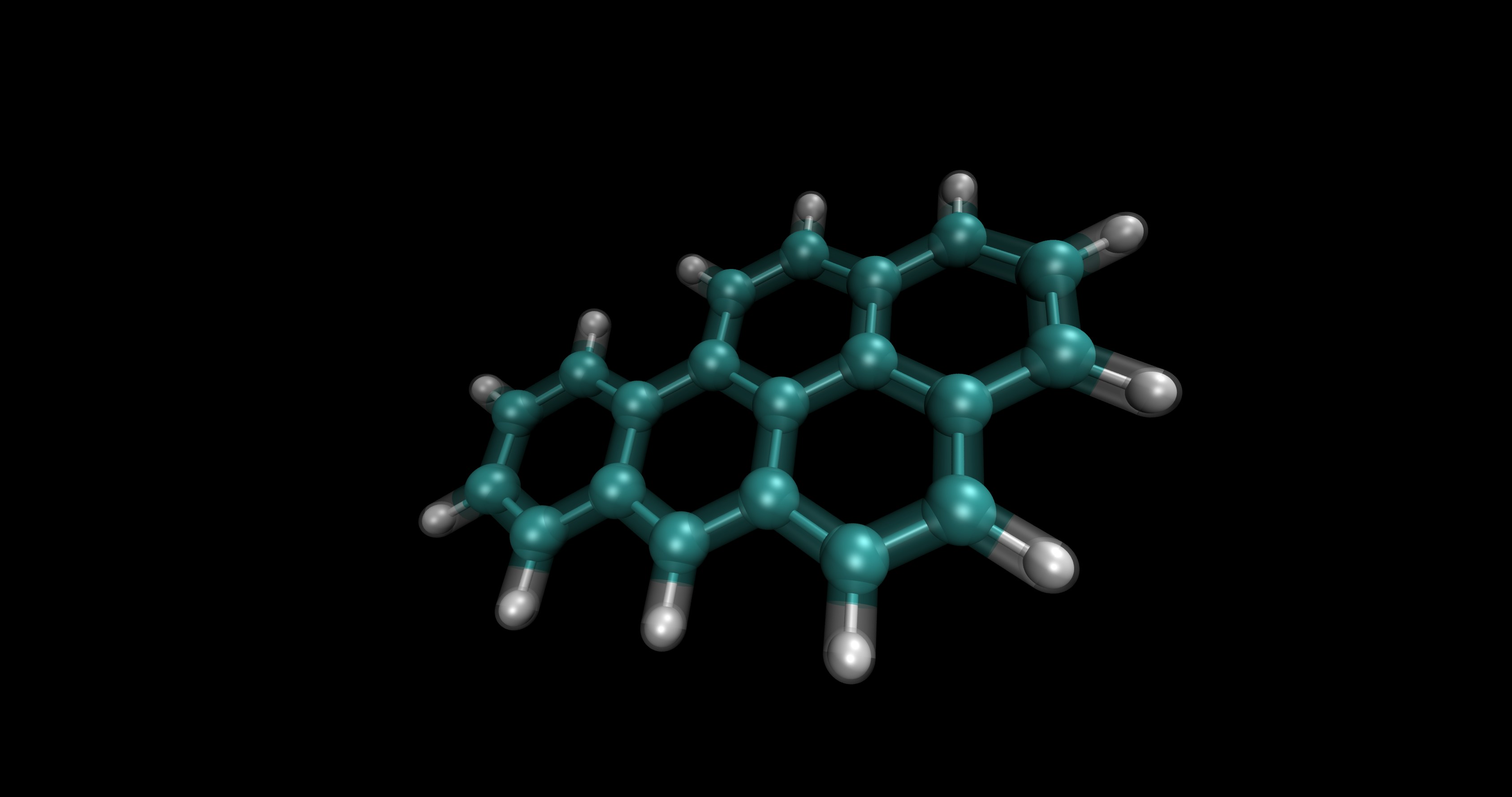
Plants store cannabinoids in an acidic, non-intoxicating form – most notably THCA. When that molecule loses a small chemical group (a carboxyl group), it becomes the familiar THC that can activate brain receptors. Think of it like a locked puzzle piece: THCA sits in place until heat or time removes a tiny tab (chemically released as CO₂), and only then does the piece fit the brain’s CB1 receptors and produce noticeable effects.
This transformation happens through simple chemistry rather than a mysterious process. Heat from smoking, vaping or baking speeds it up dramatically; light and long-term storage can also nudge the change more slowly. Because conversion is about removing that carboxyl group, the degree of heating matters – too little and conversion is incomplete (milder or inconsistent effects), too much and other compounds like aromatic terpenes can break down, changing the experience.
- Smoking/vaping: Near-instant conversion,fast onset (minutes),shorter duration.
- Edibles (decarbed first): Slower onset (30-120 minutes), liver converts THC partly to 11-OH-THC, often stronger and longer-lasting.
- Raw consumption: Mostly non-psychoactive unless decarboxylated first.
| Method | Typical Temp | Time | Result |
|---|---|---|---|
| vaporize | 180-210°C (356-410°F) | Instant | High conversion, preserves terpenes |
| Oven decarb | 110-120°C (230-250°F) | 30-45 min | Good conversion for edibles |
| Raw/aged | room temp / light | Weeks-months | Slow, partial conversion |
In short, that simple chemical split is what changes a plant compound into a mind-altering one. Understanding temperatures, time and method gives you control over onset, intensity and duration – and explains why the same cannabis can feel very different when smoked versus eaten. Keep in mind: conversion is rarely all-or-nothing, and other plant chemicals will shape the final effect.
Practical Use Safe Consumption methods Dosing Tips and When to Avoid THCA
There are several sensible ways to use THCA depending on the effect you want. If you want the raw, non-psychoactive profile, try juicing fresh leaves or taking a lab-tested cold-extracted tincture. For localized relief, topicals deliver cannabinoids without systemic effects.Be careful with heat: vaporizers and smoking convert THCA into THC through decarboxylation-use them only if you expect psychoactive effects, and choose low temperatures if you want a milder conversion.
Always pick products with clear testing and clear dosing details. The short table below gives a quick comparison to help choose a method, and the checklist afterward summarizes simple safety habits.
| Method | How to Use | Onset | Best For |
|---|---|---|---|
| Raw (juice) | Blend fresh leaves into smoothies | 10-60 min | non-psychoactive wellness |
| Tincture (cold) | Sublingual drops or mixed in drink | 15-45 min | Controlled daily dosing |
| Topical | Lotions,balms applied to skin | 10-30 min | Localized relief |
| Vaporizer / Heat | Low-temp vapor for less conversion | Minutes | Psychoactive or fast relief |
- Start low,go slow: take a small initial amount and wait-longer for edibles and tinctures.
- use tested products: choose items with cannabinoid and contaminant reports.
- Mind mixing: avoid combining with alcohol or sedatives until you know how you react.
- Store safely: keep out of reach of children and pets, labeled and in a cool place.
When finding the right dose, think in practical steps rather than milligrams.Begin with a single small serving-a few drops of tincture, a spoonful of juice, or one topical submission-and wait at least 60-90 minutes to assess effects before increasing. Record what you take and how you feel to build a personalized baseline. Tolerance, body composition, and product potency all influence response, so repeat conservative increases only after careful observation.
Certain people should avoid THCA or consult a healthcare professional before use: pregnant or breastfeeding individuals, anyone with a history of psychosis or severe mental illness, those taking medications with narrow safety margins (like blood thinners), and anyone planning to drive or operate heavy machinery. If you have heart disease, liver problems, or are under 25 (when the brain is still developing), err on the side of caution and seek medical advice.

Buying Storing and Testing Tips How to Choose Reliable THCA Products and Preserve Potency
Choose wisely at the shelf. Look for products that include a clear Certificate of Analysis (COA) from an accredited third‑party lab-this is the single best indicator of reliability. Favor brands that list the cultivar, extraction method, batch number and production date. Avoid vague claims like “ultra‑pure” or “doctor‑formulated” without supporting lab data. Quick checklist:
- COA available and recent
- Transparent ingredient list
- Reputable retailer or licensed producer
- Realistic potency claims
These small signals greatly reduce the chance of contaminated or mislabelled products.
Understanding test results is a skill worth learning.On a COA, locate the cannabinoid panel to confirm THCA percentage and total cannabinoids, then check for residual solvents, pesticides, heavy metals and microbial limits. Beware of coas that only show cannabinoid totals without a full contaminant screen. If you’re unsure, contact the lab listed on the report or the brand’s customer support-legitimate labs will confirm a batch by number. For home users, visual and olfactory checks (color, aroma, visible debris) help, but they don’t replace lab testing.
Storage matters as much as selection. To preserve THCA potency, protect products from light, heat and oxygen. Use airtight, opaque containers and keep items in a cool, stable surroundings. Below is a simple reference for common formats:
| Format | Storage | Typical shelf Life |
|---|---|---|
| Flower | Dark glass jar, 60-62% RH pack, cool cupboard | 6-12 months |
| Concentrates | Airtight, low‑light, fridge for long term | 12+ months |
| Tinctures/Oils | Opaque bottle, cool cupboard | 12-24 months |
preserve potency proactively. Handle products minimally, avoid repeated exposure to air and use dosing tools that minimize contamination. rotate older stock to the front and note batch dates so you can use products before potency drops. If you suspect degradation-faded aroma, dull color, or off smells-consult the COA or consider lab retesting; many independent labs offer affordable single‑sample panels. keep records of COAs and receipts-good documentation protects you and helps spot inconsistencies across batches.
Concluding Remarks
Like a quiet sibling in the plant’s chemistry family, THCA sits on the page between raw cannabis and the more familiar THC – present, potent in potential, but different until change occurs. You now have the plain facts: what THCA is, how it forms and transforms, the ways it’s commonly encountered, and why its legal and practical implications can vary.
if you’re curious to explore further, remember the basics: heating converts THCA into THC, raw forms behave differently than processed products, and the science and regulations are still evolving. When in doubt about health or legality, check local laws and consult a qualified professional before making decisions.
Armed with this simple guide, you can read labels and ask better questions. Keep observing, stay informed, and let curiosity – not confusion – guide how you think about THCA.

