


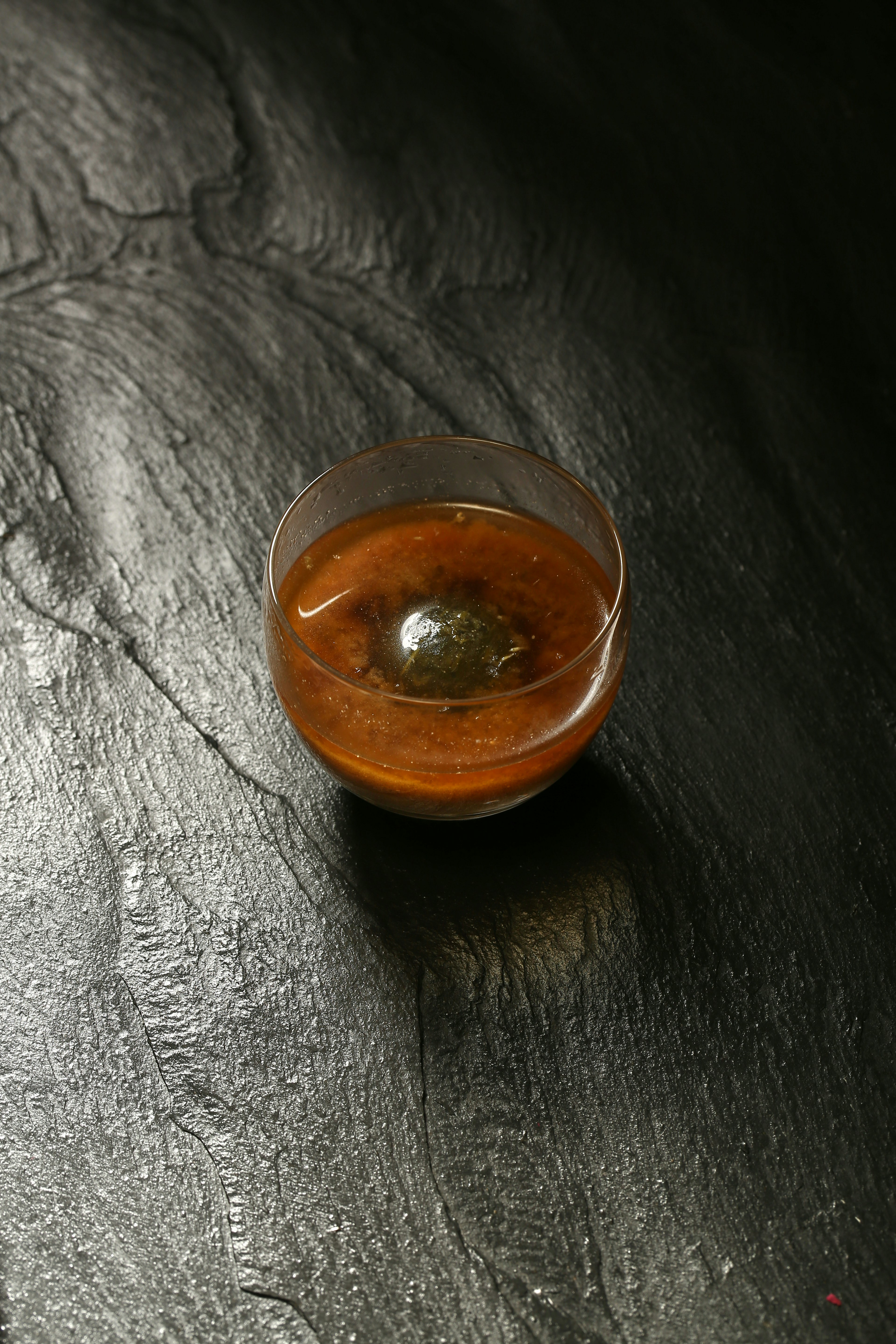
Glossy, amber droplets of rosin catch the light like concentrated sunlight – an invitation to explore scent and taste compressed into a single resinous bead. But beyond the visual allure, THCA rosin hides a subtler landscape: a complex interplay of terpenes, minor cannabinoids, and extraction nuance that shapes every inhale. “Lab-Tested THCA rosin: Flavor Profiles Unveiled” takes readers behind that glossy surface to map the flavors that distinguish one batch from another, separating sensory myth from measurable chemistry.
In this piece we pair lab data with sensory observation. Lab testing provides a fingerprint – terpene ratios, cannabinoid content, and contaminant screens – while careful tasting translates those numbers into descriptors people recognize: citrus, diesel, pine, chocolate. by combining analytical results with structured tasting notes, the article shows how specific compounds and processing choices influence perceived flavor, and why two rosins that look similar can taste entirely different.
The goal is not to persuade but to clarify. Whether you’re a curious consumer, a cultivator seeking consistency, or an industry professional wanting clearer labels, the following sections will unpack the science and the sensory vocabulary used to describe THCA rosin. Expect charts of common terpene-flavor pairings, lab-tested case studies, and practical takeaways on interpreting test reports – all written to help readers appreciate the nuance behind the aroma.
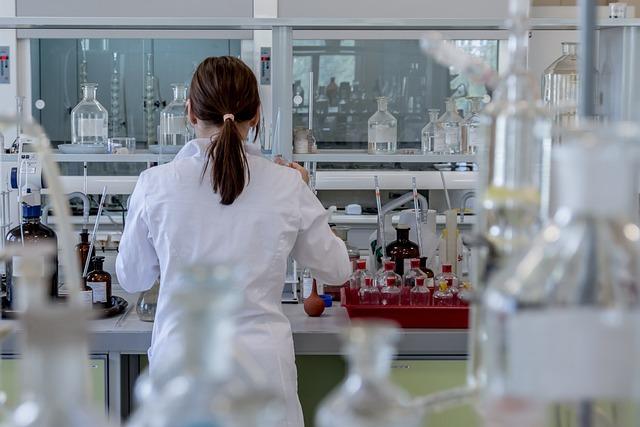
Reading lab Results Interpreting THCA Levels Terpene Ratios and Safety Markers
When you open a Certificate of Analysis (COA) for a THCA rosin, your eyes should first find the cannabinoid panel.Look for the reported THCA percentage and the separate Δ9‑THC value-labs will often show both. To estimate the maximum potential THC after heating, apply the decarboxylation factor: THC ≈ THCA × 0.877 + Δ9‑THC.Units matter too: percentages (%) tell you concentration by weight, while mg/g gives a clearer picture for dosing. Chromatograms and retention times can seem mysterious, but high, clean THCA peaks with minimal unknowns usually signal a well‑processed extract.
Terpene readouts are where flavor and nuance come alive. Labs commonly list a total terpene percentage plus individual terpene concentrations-these create the aroma signature and influence subjective effects through synergy. Notice the ratio between dominant and supporting terpenes: a single terpene at 50% of the profile will strongly color the flavor, while a balanced mix tends to produce layered complexity. Quick terpene cues:
- Myrcene – earthy, musky; often relaxing
- Limonene - citrusy; uplifting and radiant
- Pinene – piney; can sharpen focus
- Caryophyllene – spicy/peppery; interacts with CB2 receptors
Safety markers are non‑negotiable. A COA should clearly state tests for pesticides, heavy metals, residual solvents, and microbial contaminants, including detection limits and whether results are “non‑detect.” Passing limits vary by jurisdiction, so check that values are below regulatory action levels and that the report lists the testing methods. If solvents are present above trace levels or if pesticide residues are detected,flavor might be compromised and the product should be avoided.
Use this simple checklist to make a fast, informed decision:
| Quick Item | What to Look For | Green flag |
|---|---|---|
| THCA | Clear percentage + Δ9 value | High THCA, low Δ9 (intact biosynthesis) |
| Total Terpenes | Percent and top 3 terpenes listed | balanced profile, dominant aromatics |
| Pesticides / Metals | ND or below action limits | Non‑detect or very low |
| Residual Solvents | Below LOQ and method stated | Clean, solvent‑free |

Strain Specific Flavor Maps Aroma Profiles Tasting Notes and Recommended Pairings
Think of each extract as a tiny map where terpenes are landmarks and cannabinoids are the weather. The visual “flavor axis” – citrus to earth, diesel to floral – helps you predict a rosin’s immediate aroma and the longer-lived aftertaste. Top terpenes like limonene, myrcene, caryophyllene and linalool act like musical notes; when thay harmonize you get bright, zesty crescendos or deep, resinous bass. Reading that map lets you pair thoughtfully rather than guess.
Below is a concise tasting ledger that links strains to thier dominant aromatic drivers and instant impressions. Use it as a quick pocket-guide when selecting a jar for mood, meal, or mid-week creative hour.
| Strain | Dominant Terpenes | Flavor & Aroma | Tasting Note | Recommended Pairing |
|---|---|---|---|---|
| Zanya Kush | Myrcene,Caryophyllene | Earthy,spice-forward | Warm cedar,peppery finish | Smoked gouda & dark chocolate |
| Lemon meridian | Limonene,Pinene | Citrus zest,pine | Bright lemon peel with a crisp pine tail | Light fish ceviche & sparkling water |
| Velvet Diesel | Caryophyllene,Humulene | Fuel,herbal undercurrent | Diesel tang rounded by sage | Blue cheese on crusty bread |
| Blue Ember | linalool,Myrcene | Berry,floral haze | Warm blueberry crumble aroma | Chamomile tea & berry tart |
When matching rosin to food or activity,favor contrast: pair heavy,resinous extracts with bright,acidic dishes to cleanse the palate; match floral or citrus-forward rosins with subtly sweet desserts or meditation sessions to amplify clarity. Useful quick-pairs:
- Stimulant lift: citrus rosin + green tea
- Evening unwind: linalool-rich rosin + herbal chamomile
- Focus session: pinene-dominant rosin + light protein snack
Keep serving temps low for rosin (moderate dabbing temps preserve delicate terpenes) and let small doses paint the full flavor map before committing to a larger sample.
Extraction and Processing Effects How Rosin Techniques Influence Texture Potency and Mouthfeel
Rosin’s final character is as much a product of… choices as it is of raw material. The way pressure and time are balanced-or deliberately tilted toward restraint-translates into textures that read like culinary notes: satin-smooth,amber-tacky,or pleasantly crystalline. These tactile cues also whisper about potency: a dense,compact slab frequently enough signals higher THCA concentration,while a softer,pliable pull may indicate a different balance of cannabinoids and preserved terpenes. Texture, potency and mouthfeel are inseparable, and small alterations in processing ideology produce distinctly different experiences on the palate.
Preservation strategies change the way terpenes and cannabinoids present themselves. Gentler handling tends to retain fragile aromatic compounds, giving the rosin a brighter, more floral or citrus-forward taste that feels lighter on the tongue. Conversely, more intensive handling can encourage crystallization and densification, creating a more robust, sustained mouthfeel and a perception of concentrated potency. Think of it as tuning a musical instrument: each pass, each restraint, modifies a note until the intended sensory chord rings true.
- Silky: Smooth spread, prominent aromatics, easy palate entry.
- Resinous: stickier mouthfeel, deep terpene tail, satisfying heft.
- Crystalline: Grainy snap, focused THCA intensity, cleaner aftertaste.
- Buttery: Cohesive pull, mellow flavor release, lingering finish.
| Approach | Typical Mouthfeel | Potency Note |
|---|---|---|
| Cold-gentle handling | Silky, aromatic | Preserves volatile terpenes |
| Heat-assisted cohesion | Buttery, full-bodied | Evened potency, warmer notes |
| repeated pressing | Grainy/crystalline | Concentrated THCA, crisp finish |
Future Outlook
Like the last note of a carefully composed piece, lab-tested THCA rosin leaves an imprint that’s equal parts science and sensibility – a distilled map of terroir, technique and chemistry. The lab data peels back the curtain on what your nose and tongue perceive, translating floral, citrus, diesel or earth into numbers and names so each jar becomes less mystery and more memoir.
For consumers and craft producers alike, the value lies in that clarity: certificates of analysis and terpene breakdowns let curiosity be guided by evidence instead of guesswork. Whether you’re exploring to refine a palate, compare cultivars or simply appreciate the craft, approaching rosin with an eye for lab-verified detail deepens the experience without obscuring its pleasures.
As testing methods and producer practices evolve, so will the language we use to describe these concentrates – more nuanced, more reliable, and more revealing. in the meantime, let the data inform your taste, and let your taste keep you learning.

