


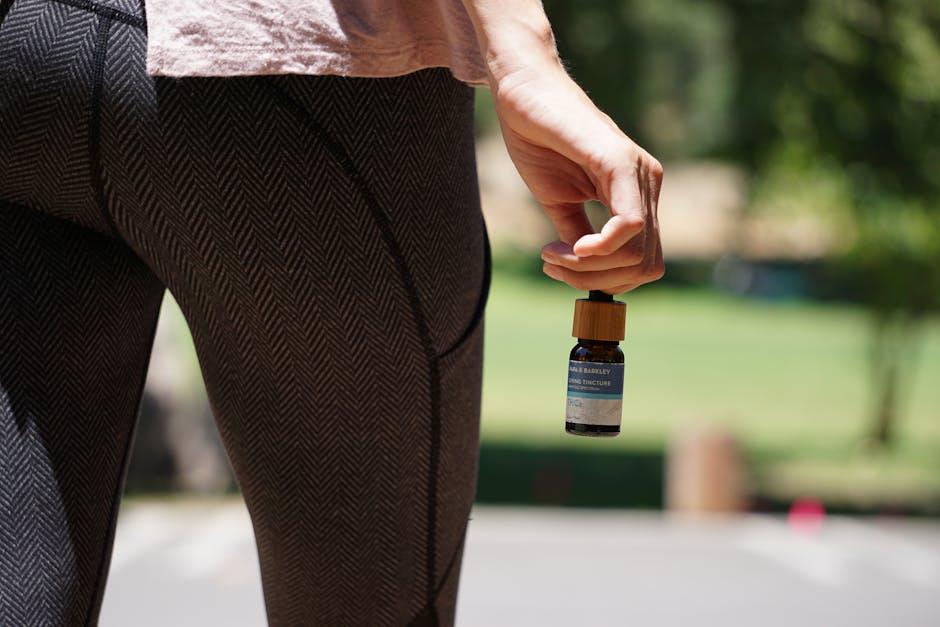
A new wave of craft extracts is quietly reshaping the way enthusiasts think about concentration: THCa rosin, pressed from fresh plant material and prized for its purity, texture, and flavor. From sun-bleached California farms to indoor operations across the Midwest, American producers are turning old-school techniques into a modern benchmark for quality-often at price points that won’t break the bank.
This guide zeroes in on USA-made THCa rosin priced under $100, spotlighting strains that deliver distinctive terpene profiles, lab-verified potency, and consistent production practices. Weather you’re curious about a citrus-forward sativa or a heavy, chocolatey indica, we’ll walk through standout offerings, why they matter, and the criteria used to select them-think clarity, third-party testing, and clean processing.A quick note on safety and legality: cannabis laws vary by state and THCa regulations can be complex; always confirm local rules and review lab reports before purchasing. With that in mind, read on to discover accessible, American-made THCa rosin that marries craft sensibility with wallet-friendly prices.
Inside the Jar: Understanding THCa Rosin Chemistry Purity and Terpene Profiles
Beneath the glossy sheen of a well-made jar lies a simple chemistry story: raw flower-derived cannabinoids are captured and concentrated without solvents, turning delicate plant acids into potent products.THCa in rosin is the unheated, acidic precursor to Δ9‑THC, which will only convert when exposed to sufficient heat (a process called decarboxylation). As rosin is produced with pressure and controlled heat, it frequently enough preserves volatile aromatics and leaves behind a clean cannabinoid profile – expect anything from a viscous, sauce-like consistency to crystal-rich “diamonds” depending on strain and pressing conditions.
Purity is more than color or shine; it’s proven on the lab sheet.A Certificate of Analysis (COA) tells the real story: total cannabinoids, THCa percentage, terpene concentration, and absence of contaminants. Look for products with transparent lab data. Key markers to check include:
- Total cannabinoids – indicates potency and concentration.
- THCa % – the primary driver of raw potency in non-decarbed rosin.
- Terpene profile – drives aroma, flavor, and nuanced effects.
- Residuals & microbials – should read “non-detect” or meet safety thresholds.
| Lab Marker | Why it matters | Typical Target |
|---|---|---|
| THCa % | Primary potency indicator for raw rosin | 50-95% |
| Terpenes | Flavor, aroma, and entourage nuances | 0.5-10% |
| Contaminants | Safety check (solvents, pesticides, microbes) | Non-detect |
Terpenes are the scent architects of rosin – tiny molecules that shape how a strain makes you feel. Monoterpenes like myrcene (earthy, relaxing) and limonene (bright, uplifting) evaporate more readily, so low-temperature pressing helps preserve them. Sesquiterpenes such as caryophyllene add spice and may interact with cannabinoid receptors. Typical terpene highlights include:
- Myrcene: herbal, sedative undertones.
- Limonene: citrusy, mood-elevating lift.
- Pinene: piney clarity and alertness.
- Caryophyllene: peppery depth and potential calming effects.
Understanding these elements – chemistry, lab-proven purity, and terpene storytelling – helps you judge what’s really inside the jar beyond aesthetics: a crafted balance of potency, flavor, and safety that defines great THCa rosin.

Practical Recommendations for Use: Dosing Heating Methods and Preserving Flavor
When you first try a USA-made THCa rosin, think microdabs: a rice-grain to pea-sized amount is plenty. Start low and go slow-for most users that means beginning with roughly 2-5 mg worth of rosin if you’re inexperienced, and only increasing in small steps. Remember that THCa converts to THC when heated,so potency can hit quickly; pacing and patience will protect both your experiance and the flavor profile you paid for.
Choose your heating method to match the experience you want. For the purest terpene expression, low-temperature approaches retain most aromatics, while hotter rigs maximize immediate vapor and intensity. The quick reference table below helps you pick a method at a glance:
| Method | Temp Range | Flavor vs. intensity |
|---|---|---|
| Dab Rig / E-nail | 315-450°F (157-232°C) | Balanced - low temps preserve terps, higher temps amplify effects |
| High-quality Vape Pen | 350-420°F (177-216°C) | Convenient, consistent - good flavor with controlled heat |
| On-top of Flower (Joint/Bowl) | Ambient ember / 400+°F spot heat | Hybrid – terpenes mix with flower notes; less pure rosin taste |
To preserve flavor over time and between sessions, use inert surfaces and airtight storage. Store rosin in small glass jars or silicone-free glass-lined containers in a cool, dark place; avoid plastic that can leach tastes.Clean tools after each use-residual oil burns and ruins the next hit. Quick practical tips:
- Low-temp first: hit lightly at lower temps to taste terpenes, then increase if needed.
- Use glass tools: dab tools and bowls that don’t impart flavors.
- Micro-dose for longevity: smaller hits mean you enjoy nuanced flavors longer.
Closing Remarks
As you wrap up your tour of USA-made THCa rosin under $100,remember that quality and affordability can coexist. The strains highlighted here prove that thoughtful cultivation and solventless extraction yield concentrates that honor both the plant and the budget-conscious consumer. Whether you lean toward uplifting sativas, mellow indicas, or balanced hybrids, there are cost-effective options that don’t ask you to compromise on flavor, potency, or provenance.
Before you buy, look for transparent lab results, clear harvest information, and trustworthy retailers.Laws and regulations vary by state,so confirm legality where you live and make purchases only from licensed sources. For newcomers, a cautious, measured approach-start low and go slow-helps you find the right fit without surprise.
Ultimately,exploring THCa rosin is part craftsmanship,part personal preference. Let curiosity guide you, rely on verified information, and savor the nuances that set USA-made concentrates apart.When you’re ready, your next favorite strain might be waiting-just under $100 and crafted with care.

