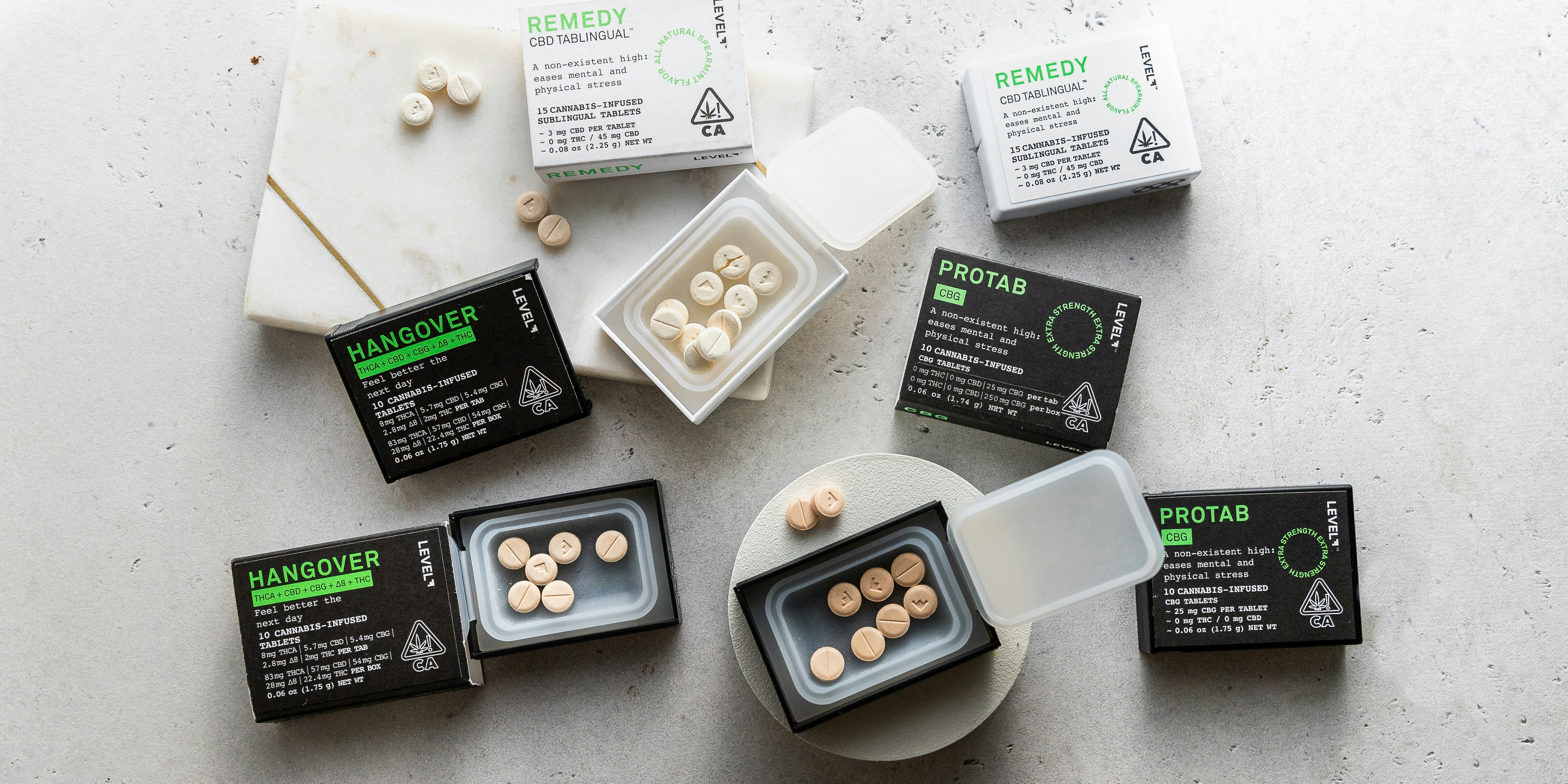
Imagine two molecules that are almost twins on paper but live very different lives in the eyes of the law. THCA,the raw,non‑intoxicating acid found in fresh cannabis plants,and THC,the psychoactive compound that appears after heat or time,sit at the center of an increasingly complex regulatory tangle.Whether a product is legally “hemp” or illegal “marijuana” can hinge on minute differences in chemistry, how it’s processed, how it’s tested, and where it’s being shipped.
This article unspools that tangle: we’ll look at the chemical distinction between THCA and THC, how federal definitions and the 2018 Farm bill frame the hemp/marijuana divide, and why state laws – and carrier policies – add another layer of unpredictability. from lab testing thresholds and decarboxylation concerns to interstate shipping rules and patchwork state restrictions, the practical result is a landscape where a package’s legality can change simply by crossing a state line. Read on to understand the technical differences, the legal fault lines, and what those differences meen for producers, carriers, retailers, and consumers navigating the modern cannabis supply chain.
Federal Framework Meets State Patchwork Creating Shipping Ambiguities for Cannabinoids
The federal framework set by the 2018 Farm Bill created a tidy-sounding threshold – hemp is hemp if it contains less than 0.3% delta-9 THC by dry weight. In practice, the tidy line blurs when you factor in molecules like THCA, which is non-intoxicating until it decarboxylates into THC through heat or time. Because federal law focuses on delta-9 THC while some states treat THCA as effectively the same as THC, a product perfectly legal where it’s made can become a legal gray area the moment it crosses a state border.
Shipping adds another layer of uncertainty.Carriers and enforcement agents may rely on different standards – some look only at COAs and dry-weight delta-9 numbers, others consider presence of THCA, and still others follow state-specific statutes that outright ban certain cannabinoids. Packages can be delayed, inspected, or even seized not as the item violated a federal numerical cutoff but because a destination state’s statute or a carrier’s internal policy interprets cannabinoid chemistry differently.
The practical fallout is a patchwork of risk-management behaviors rather than a one-size-fits-all compliance playbook. Vendors and shippers often rely on a mix of documentation and operational choices to reduce exposure:
- Validated coas showing both delta-9 and THCA values
- Clear, accurate labeling tied to lab results
- Carrier pre-approval when possible and route-aware logistics
- Temperature-controlled packaging to minimize inadvertent decarboxylation
These steps aren’t guarantees, but they translate federal numbers into defensible practices when state laws diverge.
| Rule-Maker | Typical Standard | Common Uncertainty |
|---|---|---|
| Federal (Farm Bill) | Delta-9 < 0.3% | Doesn’t fully address THCA |
| States | Varies widely | Some treat THCA as THC |
| Carriers | Company policies | Inconsistent enforcement |

Consumer and Shipper Recommendations to Minimize Risk and Manage Decarboxylation
Every buyer should treat THCA products like any regulated specialty good: purchase only from licensed sellers,review a current certificate of analysis (COA),and insist on clear labeling that matches the COA. For personal storage, prefer airtight, opaque containers and keep items away from prolonged light and heat sources-simple precautions reduce unwanted chemical changes without needing technical intervention. If you’re uncertain about local rules, check state statutes or call your state’s cannabis regulator before ordering; ignorance of cross‑jurisdictional limits is the most common cause of legal exposure.
Shippers must balance operational efficiency with compliance. Verify a carrier’s written policy on hemp and hemp‑derived products, maintain accurate manifests and COAs with each consignment, and implement a documented chain-of-custody for higher‑value shipments. Train customer‑service and warehouse staff to flag interstate orders that might cross into jurisdictions with stricter definitions of controlled cannabinoids. Paperwork often matters more than packaging in audits-don’t let documentation be an afterthought.
To manage the risk that THCA converts to psychoactive THC en route, focus on reducing exposure to environmental stressors rather than on technical conversion steps. Use packaging that limits light and moisture ingress, choose shorter transit windows where practical, and consider insulated or protective packaging for long hauls. For both consumers and shippers, routine laboratory retesting or lot verification before cross‑border movement helps validate product status; when in doubt, treat the product as regulated and err on the side of caution.
Quick practical checklist:
- For consumers: Buy licensed, verify COA, store sealed and out of direct light.
- For shippers: Require COA on every shipment, use carriers with explicit hemp policies, document chain‑of‑custody.
- For both: Avoid sending or receiving across unclear jurisdictional lines and retest suspect lots.
| Do | Don’t |
|---|---|
| Obtain and attach a current COA | Assume interstate legality without checking |
| Use opaque, sealed packaging for transit | Expose packages to sunlight or unregulated environments |
| Train staff on state-by-state differences | Rely on verbal assurances from informal carriers |
In Conclusion
As the legal map around THCA and THC continues to be redrawn, the practical lines between chemistry, commerce and compliance can feel less like shining lines and more like shifting shorelines. THCA’s chemical identity and behaviour – inert until converted by heat – matters as much as the statutes and carrier rules that treat converted THC very differently from its precursor. That mismatch is why shipping something that looks harmless under one jurisdiction’s microscope can trigger legal trouble under another’s.
If you ship or receive hemp-derived products, the safest course is simple and deliberate: know the science behind the label, read the fine print of state law and carrier policies, keep certificates of analysis handy, and when in doubt, get professional legal guidance. Regulations and enforcement practices are evolving,and what’s lawful today may change tomorrow.Ultimately, navigating THCA vs THC is an exercise in balancing curiosity with caution – following both the chemistry and the code. Stay informed, stay cautious, and treat each shipment as a small legal question that deserves a precise answer.