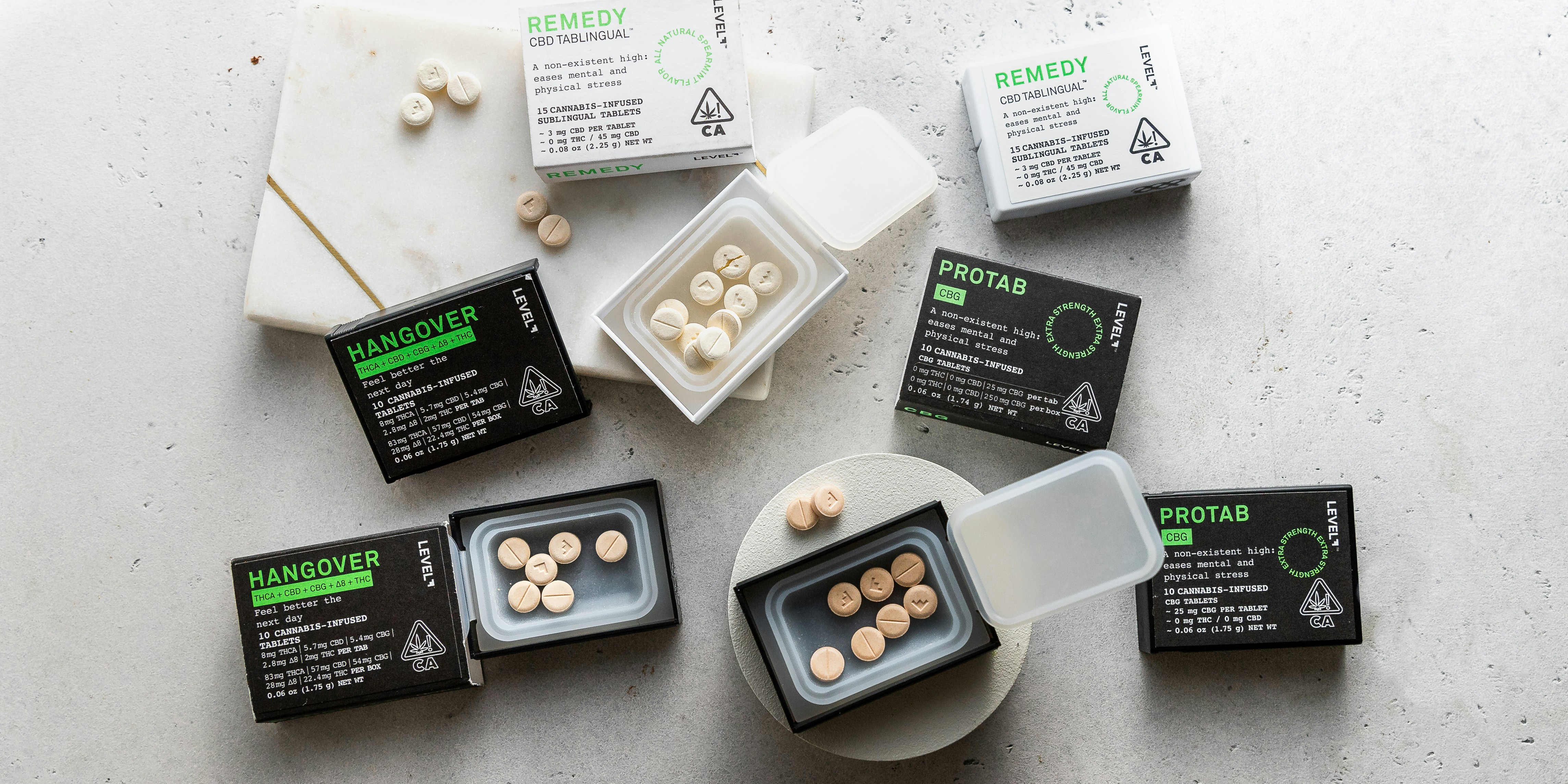
Imagine holding a fresh cannabis flower between your fingers: a complex little ecosystem of terpenes, flavonoids and dozens of cannabinoids, among them a molecule called THCA. It doesn’t grab headlines the way THC does, but THCA is the quiet precursor that shapes how the plant behaves and how consumers experience it. understanding THCA means looking beyond intoxication and into the chemistry, biology and legal lines that make this compound distinctive.
At a molecular level, THCA is chemically close to THC but different in one important way: it’s the form most abundant in the raw plant and, consequently, does not produce the characteristic high associated with heated or aged cannabis. That difference alters how it interacts with the body’s systems and how it appears in labs, stores and courtrooms. From lab benches measuring cannabinoid profiles to consumers choosing tinctures or raw juicing, THCA occupies a curious middle ground between botanical chemistry and cultural perception.
This article will unpack how THCA works, why it’s not simply “inactive THC,” and what sets it apart in terms of effects, detection, and regulation. We’ll separate established science from speculation, highlight where research is still catching up, and give readers the context they need to make informed decisions about a cannabinoid that’s quietly reshaping conversations about cannabis.
Dosing Strategies and Administration Tips: Evidence Based Guidance for Safe Use
Think of dosing THCA like tending a slow-burning lamp: cautious and incremental.The prevailing, evidence-informed approach is to start low and go slow-begin with the smallest practical amount, wait long enough to observe effects, then increase gradually over days rather than hours. Keep a simple log of dose, time, route, and effects; this small habit is one of the most reliable ways to find a personally effective and safe regimen. Remember that THCA itself is non-intoxicating, but heating can convert it to THC, so administration method meaningfully changes onset and intensity.
Different delivery methods behave differently in the body. Below is a compact guide to typical onset and a practical starting approach-use it as a framework, not a prescription.
| route | Usual onset | Starting approach |
|---|---|---|
| Raw (juices, smoothies) | 15-90 minutes | Small serving; observe for 24-48 hours |
| sublingual tinctures | 15-60 minutes | One dropper or less; hold under tongue briefly |
| Inhalation (vaping low-heat) | 2-15 minutes | Single, low inhalation; wait 30-60 minutes |
| Topicals | Minutes to local effect | Apply small amount to test area |
Practical measures reduce risk and make dosing consistent. Key actions to adopt:
- Document: record product batch, tested THCA content, dose, and timing.
- Wait: after a single administration, allow the full expected onset window before repeating.
- Avoid heat if you want THCA: smoking or high-temperature vaping decarboxylates THCA into THC; use low-heat devices or raw preparations when seeking non-intoxicating effects.
- Check for interactions: discuss concurrent medications (especially sedatives, blood thinners) with a clinician.
- Secure and label: store products away from children, pets, and sunlight; keep original lab reports accessible.
certain groups require extra caution: pregnant or breastfeeding people, pediatric populations, and those with meaningful medical conditions should avoid unsupervised use. As product purity and THCA concentrations vary, choose third-party lab-tested products and consult a healthcare professional when in doubt. monitor subjective effects and functionality-if you experience unexpected changes in cognition,coordination,mood,or unusual side effects,pause dosing and seek medical advice. The evidence base is growing, and careful personal experimentation guided by conservative principles remains the safest path.

Legal Landscape and Research Trajectory: Navigating Regulations and Emerging Medical Evidence
Across jurisdictions, THCA sits in a legal grey zone that forces producers, clinicians, and consumers to navigate both nuance and uncertainty. Because THCA is the acidic, non-intoxicating precursor to THC, lawmakers often wrestle with whether regulations should follow the raw molecule or its potential to convert into a scheduled substance when heated. The result is a patchwork: some regions treat hemp-derived THCA as legal if total delta‑9 THC falls below defined thresholds, while others apply stricter analog or intent-based rules. label accuracy, laboratory certification, and chain-of-custody documentation are becoming just as important as the molecule itself for avoiding enforcement headaches.
Regulation and research influence each other in real time, creating a landscape that feels part courtroom, part laboratory. Key pressure points include:
- State vs. federal conflict – differing definitions of “hemp” and “controlled substance” leave producers vulnerable.
- product testing standards – inconsistent assays can misreport THCA vs. decarboxylated THC content.
- Labeling and consumer protection – gaps in education about heat‑induced conversion and dosing.
Scientific inquiry into THCA is promising but embryonic: most data come from preclinical models and small observational studies. Early findings point to potential anti-inflammatory and neuroprotective actions, yet robust human randomized controlled trials are sparse. Researchers face practical obstacles-standardizing THCA preparations, preventing inadvertent decarboxylation during study handling, and securing clear regulatory pathways for clinical trials.A concise view of the current evidence might look like this:
| Study Stage | Typical Evidence |
|---|---|
| Preclinical | Animal/cell data suggesting anti-inflammatory effects |
| Observational | Small cohorts,anecdotal symptom reports |
| clinical Trials | Very limited; need for standardized dosing and endpoints |
For clinicians and product developers,the prudent path is conservative: rely on third‑party testing,document handling and storage to prevent decarboxylation,and engage regulatory counsel when launching new THCA products. For the scientific community, the next chapter requires coordinated multi‑site trials, validated assays, and regulatory clarity so that emerging medical evidence can be translated into safe, reliable therapies-should the data support that step. Until then, the legal-research interplay will continue to shape how THCA is studied, marketed, and understood.
Insights and Conclusions
Like a quiet prelude before the main movement, THCA occupies a distinct place in the cannabis story: a non‑intoxicating precursor with a unique chemistry, different legal and practical implications, and a growing – tho still tentative – body of research into possible benefits. Whether you encountered it as a molecule on a lab chart, a label on a raw flower jar, or a topic in a conversation about alternatives to THC, the key takeaways remain the same: THCA doesn’t produce a high until it is indeed transformed, its effects and safety profile are still being mapped, and its presence changes how consumers, clinicians, and regulators think about the plant.
As science continues to unfold the chapters still unread, approaching THCA with curiosity and caution is the wisest course.Stay informed from reputable sources, follow local laws, and consult healthcare professionals when considering any cannabinoid for health purposes. In the meantime, THCA’s subtle chemistry offers a reminder that even familiar plants can hold surprises – and that understanding those surprises deepens both knowledge and choice.