
Imagine a molecule that wears two faces: in the lab it sits quiet and acidic, and under a light or a flame it sheds that quiet to become the compound everyone recognizes. That molecular chameleon – THCA – now sits at the center of a fast-moving conversation about hemp, commerce and the law. since the 2018 Farm Bill rewrote federal policy on Cannabis sativa L., producers, retailers and regulators have been grappling with what counts as legal hemp, what counts as a controlled substance, and where THCA fits on that map.The Agricultural Advancement act of 2018 removed hemp and its derivatives from the federal controlled-substances definition so long as the crop and final product contain no more than 0.3% delta-9 THC on a dry-weight basis.But science complicates tidy legal lines: THCA itself is not delta-9 THC until it loses a carboxyl group (a process called decarboxylation), and many hemp-derived products contain a mix of neutral and acidic cannabinoids whose legal status can turn on how they’re tested, labeled and used. Meanwhile, federal agencies and individual states continue to write and enforce their own rules around manufacturing, food and drug claims, and interstate commerce.
This article will navigate that landscape – separating chemistry from statute, exploring how THCA is treated under the 2018 Farm Bill, and pointing out the regulatory gray areas that leave producers and consumers guessing. The aim is not to give legal advice,but to illuminate the key facts,fault lines and practical considerations so you can understand what “legal” really means in this evolving space.
State Rules and Federal Gaps: how Local Legislation Alters THCA Commerce and Consumer Access
Federal baseline set by the 2018 Farm Bill created a legal foothold for hemp-derived cannabinoids,but it left a lot of blank space around THCA. The law ties legality to delta‑9 THC concentration (0.3% on a dry-weight basis), not to acidic precursors.Because THCA converts into delta‑9 THC when heated or aged – a chemical process called decarboxylation – federal language alone creates ambiguity: a product that tests compliant in one form can become noncompliant in another. Agencies like the FDA and DEA have issued limited guidance, which magnifies room for state and local authorities to write their own rules.
States and municipalities have used that gap to craft vastly different regimes, so the same THCA gummy could be legal in one city and banned a few miles away. Local actions commonly include:
- Licensing schemes that specifically list or exclude THCA from permitted products.
- Municipal bans on certain product types (edibles, concentrates, or inhalables).
- Mandatory third‑party lab testing and strict testing and labeling requirements to capture post‑decarboxylation potency.
- Zoning and retail restrictions that limit where hemp cannabinoid shops can operate.
Those local laws ripple through commerce: producers must adapt formulations, labs develop new assays for THCA and total potential THC, and distributors face patchwork shipping rules. The table below sketches how different local policy types typically affect businesses and customers.
| Policy Type | Typical Effect on THCA commerce |
|---|---|
| Permissive | Broad sales, light product restrictions, easier market entry |
| Conditional | Allowed with testing/labeling and limits on product forms |
| Restrictive | Product bans or heavy permitting; reduced retailer presence |
The net effect for consumers is a patchwork of availability and certainty: in some places THCA products are easy to find and transparently labeled, while in others access is constrained or eliminated. For anyone buying or selling, the landscape rewards diligence – scrutinized certificates of analysis, clear labeling, and an awareness that local ordinances can change the legal calculus overnight. In short, the federal floor set by the Farm Bill matters, but the real rules of the road for THCA are often written at the state and local level.
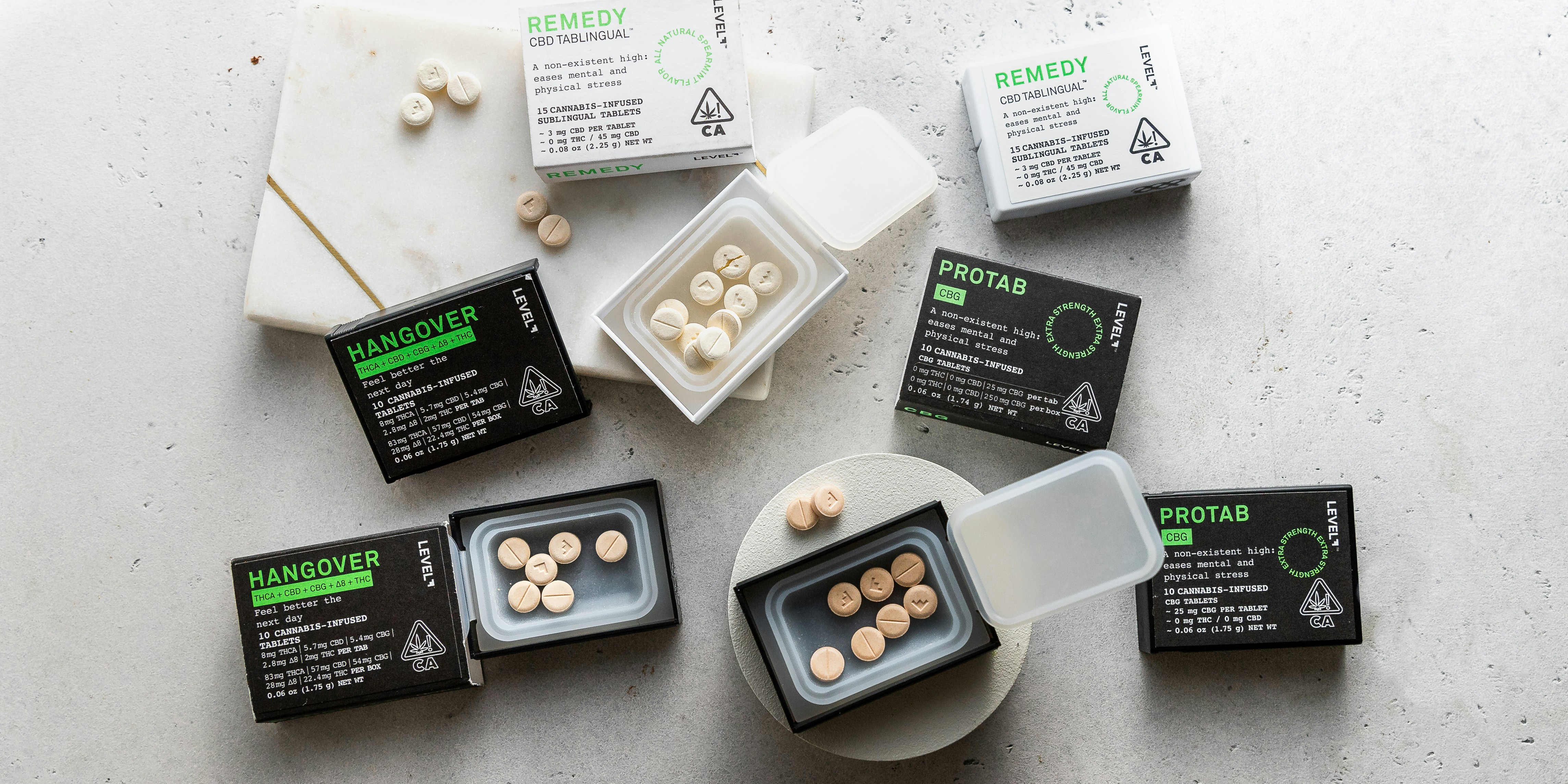
manufacturing,Distribution,and Labeling Best Practices: How Businesses Can Stay Compliant Today
Think of the production floor as both a laboratory and a ledger: strict sanitation,validated processes,and traceable records are non‑negotiable. Adopt cGMP-style controls-documented SOPs, allergen management, and cross‑contamination barriers-and require Certificates of Analysis (COAs) for every incoming hemp lot. When reporting potency, use the widely accepted conversion to reflect potential psychoactivity: delta‑9 THC + (0.877 × THCA), and state that calculation visibly on batch documentation so downstream partners and regulators can verify compliance with the 2018 Farm Bill threshold (≤ 0.3% Δ9‑THC dry weight).
Distribution compliance hinges on provenance and paperwork. Maintain chain‑of‑custody records, batch numbers, and COAs that travel with products into new jurisdictions; many states impose additional restrictions even though hemp is federally legal. Use third‑party testing labs accredited to ISO/IEC 17025, and build contractual supplier qualification clauses that require notification of crop failures, pesticide findings, or cannabinoid anomalies. when shipping, include a concise compliance packet so transporters and retailers can confirm legal status at a glance.
Labels must be clear, evidence‑based, and free of unapproved health claims. At minimum, include:
- Net weight and serving size
- Full cannabinoid panel with the total THC calculation
- Batch or lot number and expiration or best‑by date
- Manufacturer contact and QR code linking to the COA
Avoid wording that implies treatment or cure. Use plain‑language warnings about keeping products away from children and pets, and adopt child‑resistant packaging where required.
| Label Element | Best Practice |
|---|---|
| Cannabinoid Statement | Show Δ9,THCA,and total THC (calc.) |
| COA Access | QR code + URL to third‑party report |
| Claims | No medical/therapeutic statements |
Routine internal audits,supplier spot‑checks,and employee training turn policies into practice. Keep records for multiple years, prepare a rapid recall plan, and subscribe to state regulatory updates-compliance is an ongoing process, not a one‑time checklist. Small investments in documentation and transparency protect brands and give consumers confidence in a fast‑evolving market.
Final Thoughts
Navigating the THCA/hemp landscape is a bit like reading a shoreline after a storm: the 2018 Farm Bill reshaped the terrain, but tides of state rules, testing methods, and scientific nuance keep the lines shifting. At the federal level, hemp and its lawful derivatives are defined by delta‑9 THC concentration (the familiar 0.3% threshold), while THCA – a non‑intoxicating precursor that can become delta‑9 THC when heated – sits in a more complex, often contested space. That makes careful testing, clear labeling, and attention to how products are used and processed crucial for anyone who grows, sells, or buys these goods.
For readers, producers, and policymakers alike, the best approach is pragmatic: learn how your state interprets the rules, follow evolving laboratory and regulatory standards, and consult legal or compliance experts before making business or personal decisions. Laws and enforcement priorities continue to evolve, and what’s permissible in one jurisdiction today might potentially be restricted in another tomorrow.
In short: the Farm bill opened a door, but it didn’t light every room. Stay informed, demand transparency from product makers, and treat THCA products with the same careful scrutiny you’d give any regulated substance. Keeping one eye on the science and the other on the law will help you move forward safely and responsibly as the landscape continues to change.