



Type “THCA online near me” into a search bar and you’ll be greeted by a scatter of listings, product photos and buzzwords-each promising purity, potency or a better price. Behind those glossy pages, though, are questions many buyers don’t see until after checkout: Is this product legal where I live? Can I trust the lab results? Will the vendor ship with care and clarity?
This practical review peels back the marketing veneer and focuses on the details that matter when shopping for THCA online: legality and lab testing, product types and labeling, vendor reputation, shipping and packaging, payment options and return policies. We’ll outline how to read certificates of analysis, what red flags to watch for, and the trade-offs between price and transparency-without making any medical claims or legal promises.
Whether you’re a curious frist-time buyer or a seasoned shopper weighing new vendors, this article aims to be a clear, neutral guide that helps you make informed choices.Always check local laws and consult a qualified professional if you have health or legal concerns before purchasing.
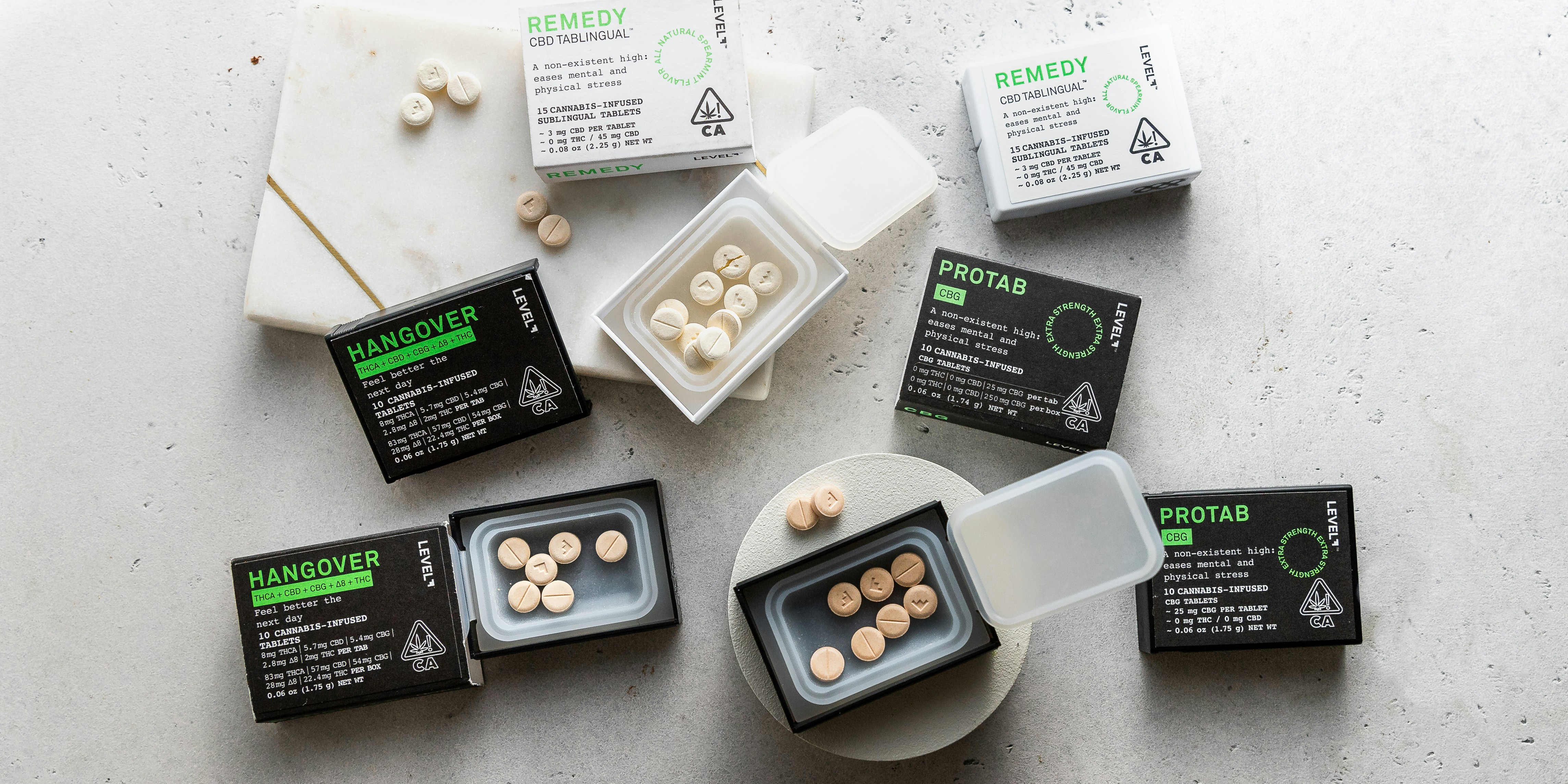
Demystifying THCA: What It Is, How It Works, and Legal Considerations Near You
At its core, THCA is the acidic precursor to THC found in fresh cannabis plants – a molecule that, in its raw form, is largely non-psychoactive. When exposed to heat, light, or time, it undergoes decarboxylation and transforms into THC, the compound most associated with intoxicating effects. Think of it as a quietly potent ingredient in a recipe: inert until the oven is turned on. Chemically and experientially,that distinction matters for users,clinicians,and regulators alike.
pharmacologically, THCA interacts with the body differently than THC. It shows promise for anti-inflammatory, antiemetic, and neuroprotective applications in early research, though clinical evidence is still emerging. Common ways people encounter or consume THCA include raw flower, cold-pressed tinctures, and specialized concentrates – but beware: most inhalation or heating methods will convert THCA to THC.Typical considerations include:
- Potential benefits: inflammation and nausea modulation.
- Conversion risk: heating yields psychoactive THC.
- Labeling clarity: COAs should specify THCA versus Δ9-THC.
| Region | Practical note |
|---|---|
| Hemp-friendly areas | Hemp-derived THCA often permitted if Δ9-THC < 0.3% |
| Strict-regulation regions | THCA may be treated like THC; possession can be risky |
| Ambiguous jurisdictions | Require clear COAs and local legal advice before buying |
When buying online,prioritize transparency and safety. Always choose lab-tested products with accessible Certificates of Analysis (COAs), clear origin stories, and detailed storage/usage instructions that explain how decarboxylation affects potency. A simple purchase checklist you can follow:
- Valid COA showing THCA and Δ9-THC levels
- Clear vendor return policy and batch numbers
- Instructions on safe handling to avoid unintended decarboxylation
Following these steps will help you navigate both the science and the legal gray areas with confidence.

Forms, Doses, and Uses: Choosing the Right THCA Product for Your Needs
THCA comes in a surprising variety of formats, each designed to deliver the compound differently.Think of formats as tools: flowers and raw cannabis preserve the compound for those looking for whole-plant effects; vapes and concentrates offer rapid onset for quick relief; tinctures and isolates give lab-friendly dosing precision; and edibles and capsules provide long-lasting, slow-release effects.Choose a form that matches how quickly you want effects and how precise your dose needs to be.
- Flower: familiar ritual, variable potency, inhalation onset
- Vape/Concentrate: fast action, ideal for acute symptoms
- Tincture/Isolate: easiest to titrate, sublingual or mixed
- Edible/Capsule: long duration, predictable schedule
- Topical: localized relief without systemic effects
Dosing is a personal experiment – the mantra here is “start low and go slow.” New users frequently enough begin with microdoses (1-2 mg of THCA equivalent) for tinctures or isolates, while inhaled forms might potentially be gauged by single small puffs. Edibles and capsules typically call for a modest starting dose (5-10 mg) because of delayed onset and longer duration; wait at least two hours before increasing.Below is a quick reference table to orient choices by onset and typical starting ranges.
| Form | Typical Start Dose | Onset | Duration |
|---|---|---|---|
| Vape | 1-3 mg | Minutes | 1-3 hours |
| Tincture | 1-5 mg | 15-45 minutes | 3-6 hours |
| Edible | 5-10 mg | 30-120 minutes | 6-12 hours |
| Topical | As needed | Minutes | Variable (localized) |
Match product to use-case rather than trend. For immediate relief-like sudden spasms or breakthrough pain-choose a vape or fast-acting tincture. For sleep support or extended symptom control, an edible or capsule is frequently enough better. For focused, non-systemic relief of sore joints or muscles, go with a topical. Tinctures and isolates are best if you want fine-grain control while learning your sweet spot.
- Always check for a current COA (certificate of analysis) showing THCA and contaminant testing.
- Look for clear dosing instructions and terpene profiles-these shape effects as much as potency.
- When buying online locally, confirm discreet, fast shipping and accurate labeling.
- Consult a clinician if you take medications that could interact with cannabinoids.

Local-Friendly Recommendations and a Simple Checklist for Safely Buying THCA Near Me
Find sellers with obvious practices: favor licensed dispensaries, local CBD/THC shops that display third-party lab reports, and online stores that clearly list sourcing and processing details.Visit in person when you can – friendly staff who willingly explain extraction methods, batch numbers and recommended dosages are usually a good sign. Always confirm the vendor’s age verification and return policy before purchase; trustworthy outlets will make both readily available without pressure.
Quick checklist to carry on your phone or print before buying:
- Certificate of Analysis (COA) available and recent
- Clear labeling of THCA/THC content and serving size
- Ingredient list and extraction method disclosed
- Vendor license or verified retail credentials
- Secure payment options and visible customer reviews
- Shipping rules checked for your jurisdiction
Keeping these points in mind helps you separate legitimate products from risky or ambiguous offers.
You can also use a small reference table when comparing local options.This compact snapshot helps you weigh safety vs. convenience at a glance:
| What to check | Why it matters | Quick red flag |
|---|---|---|
| COA | Verifies potency and contaminants | No lab link or old date |
| Vendor credentials | Shows legal compliance | Anonymous seller info |
| Clear dosing | Reduces accidental overuse | Vague “strong” claims |
When evaluating local-friendly options, trust your instincts: if a product’s provenance is vague or the price seems unrealistically low, pause and verify. For personal safety, store products securely, follow dosing guidance, and consult a healthcare professional if you have health concerns or take medications that may interact with cannabinoids.
In Retrospect
As the last page of this practical review, remember that buying THCA online near you is as much about process as product. Convenience and selection are real advantages, but they work best when paired with a steady compass: clear legal understanding, verifiable lab testing, and reputable vendors with transparent policies.
Think of your decision as a small checklist-confirm local legality, inspect certificates of analysis, read recent customer experiences, and weigh return and shipping terms-than decide based on facts rather than hype. If health or drug-interaction questions arise, a conversation with a qualified clinician is the safest next step.
Done right, an online purchase can be straightforward; done without due care, it can create uncertainty. Use the tools outlined here as a roadmap, buy thoughtfully, and keep safety and legality at the center of your choice.

