



like a key that hasn’t yet been turned, THCA sits quietly in the green heart of the cannabis plant – chemically close to the better-known THC, but different in behavior and promise. Found in raw flower and certain extracts, tetrahydrocannabinolic acid (THCA) is non‑intoxicating and has attracted attention for potential therapeutic effects that researchers and users alike describe as practical, everyday relief rather than mind‑altering highs. As interest grows, so does the question: can THCA be made affordable and accessible without compromising safety or quality?
This article explores that question by pairing accessible, creative thinking with a sober look at the evidence. We’ll outline what THCA is and how it differs from THC, review the current state of scientific and anecdotal reports on possible benefits such as inflammation and nausea modulation, and map the legal and safety considerations that often determine who can try it. Along the way, we’ll highlight cost‑saving options and practical tips for sourcing and using THCA responsibly.
Affordability matters because access shapes outcomes: when people can afford reliable, well‑characterized products, they’re better positioned to experiment, report effects, and participate in the larger conversation about what works. This introduction sets the stage for a measured, creative examination of THCA – not as a miracle cure, but as an intriguing compound worth understanding, cautiously exploring, and making pragmatic choices about in the context of emerging science and changing laws.
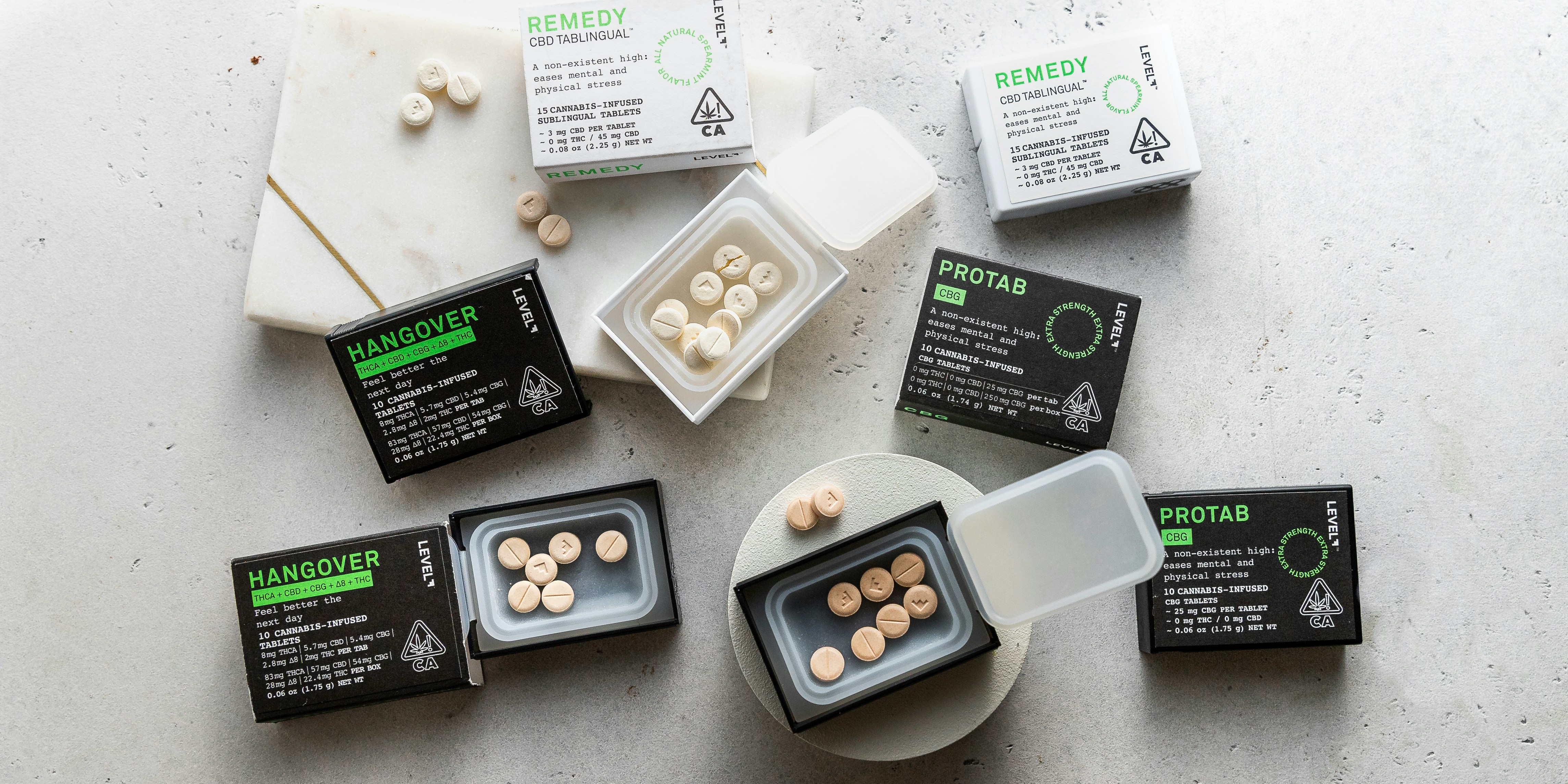
Understanding THCA and Why Affordability Matters
Raw cannabis contains THCA, a non-intoxicating cannabinoid that transforms into THC when heated. Unlike its psychoactive cousin, this precursor interacts with the body in a subtler way-early studies and anecdotal reports suggest anti-inflammatory, antiemetic, and neuroprotective potentials. For people seeking therapeutic outcomes without a strong high, THCA offers an intriguing middle ground: biologically active, but often gentler in effect.
Cost plays a decisive role in who can realistically use THCA products. Reasonable pricing enables consistent regimens, which matter for chronic conditions where steady dosing yields clearer results. Consumers should look for three baseline assurances that balance price and quality:
- Lab testing: Potency and contaminant reports ensure safety.
- Transparent sourcing: Know whether the biomass is organically grown or greenhouse-cultivated.
- Measured dosing: Clear mg-per-dose information prevents over- or under-use.
practical purchasing strategies can make THCA more attainable without sacrificing standards. Buying by concentration (per-milligram cost), preferring broad-spectrum formats that concentrate active compounds, or choosing stable forms like tinctures and topicals can stretch a budget. Seasonal sales and subscription plans also lower recurring expenses while helping maintain a steady supply for therapeutic use.
| Product Type | Primary Benefit | Budget Tip |
|---|---|---|
| Raw Flower | Highest natural THCA | Buy bulk, freeze to preserve |
| Tincture | Precise dosing | Compare mg/ml across brands |
| Topical | Local relief | Look for concentrated formulations |
How to Read labels and verify Potency for Safe THCA Use
Don’t trust the font size – trust the facts. Start by locating the active numbers: the THCA percentage, the stated milligrams per serving, and the serving size. A product that lists “THCA 20%” on a label means 200 mg THCA per gram - but always confirm the manufacturer also provides mg per dose, especially for tinctures and edibles. Watch for separate listings of Total THC or “converted THC” - that tells you how much psychoactive compound could appear after decarboxylation (heating). Clear packaging will also show batch numbers,manufacture/expiration dates,and storage recommendations; these small details protect your safety and slow the guesswork.
Make the Certificate of Analysis (COA) your magnifying glass. reputable brands link to a third-party COA or include a QR code on the label that points directly to a specific batch report. The COA should list cannabinoid breakdown, terpene profile, and tests for solvents, pesticides, and heavy metals. If any of those sections are missing or vague, step back – transparency is a better indicator of safety than glossy marketing.
- THCA % – active compound measure (look for mg per serving)
- Total THC - potential psychoactive amount after heat
- COA / Batch ID – third-party lab confirmation
- Contaminant screens – solvents, pesticides, heavy metals
- Serving size & instructions – how many mg you’ll actually consume
| Label term | What it actually means |
|---|---|
| THCA 15% | About 150 mg THCA per gram |
| Total THC (calc) | Estimated psychoactive amount after decarb |
| COA QR | Direct link to third‑party lab report |
When verifying potency, check that the COA is for the same batch number on the bottle and that the testing lab is self-reliant (look for HPLC or GC-MS methods). If potency seems unusually high, compare the COA cannabinoid totals to the label values – inconsistencies are red flags. For safe use,store THCA in a cool,dark place in an airtight container and always start low and go slow with dosing: smaller,measured increments let you gauge effects without surprises.
remember legal and practical limits: clear labeling, third‑party verification, and basic storage/dosing discipline are your best defenses.If anything on a label is ambiguous or unverifiable, reach out to the manufacturer or choose a product with unambiguous documentation - safety and predictability are worth a little extra scrutiny.

integrating THCA with Other Treatments Safety Considerations and Timing
When pairing THCA with existing therapies, think like a careful composer: each element should complement, not clash. THCA can interact indirectly with medications that rely on liver enzymes (CYP450) or those that affect the central nervous system. before adding THCA to a regimen, consult a prescribing clinician or pharmacist and bring a concise list of all medications and supplements-this helps catch potential interactions early. Be especially cautious with blood thinners, strong sedatives, and immunosuppressants; these are the combinations most frequently flagged for monitoring.
timing and route matter as much as what you take. sublingual or topical applications can create faster onset for symptom support, while oral or raw consumptions produce slower, steadier exposure. If you’re trialing THCA alongside other drugs, try introducing it at a low dose and observe over several days before increasing. when feasible, allow a buffer (for example, a few hours) between THCA and critical prescriptions so any unexpected effects are easier to attribute and manage.
Practical safety steps make integration simpler and safer. Keep a short daily log of dose, time, and any effects; share it with your healthcare provider at follow-ups. Avoid use during pregnancy or breastfeeding unless cleared by your clinician, and pause before complex procedures or when starting a new medication. Useful habits include:
- Start low, go slow: smaller initial doses reveal tolerability without overcommitting.
- Document changes: note sleep, energy, mood, and any side effects to detect patterns.
- Coordinate with providers: pharmacists are valuable allies for spotting metabolic interactions.
| Treatment | Primary Concern | Practical Tip |
|---|---|---|
| Anticoagulants | Bleeding risk | Consult prescriber; monitor closely |
| Benzodiazepines / Opioids | Excessive drowsiness | Avoid driving; stagger timing |
| Topical therapies | Local irritation | Patch-test frist; use as adjunct |
Where to Buy Affordable THCA and Red Flags to Avoid
Finding budget-friendly THCA is as much about where you look as how you look. Start with licensed, state-regulated dispensaries-they often run loyalty programs, patient discounts, and bundle deals that lower per-dose cost without cutting corners on safety. Reputable online vendors that publish third-party lab reports (COAs) can also be surprisingly affordable, especially when they offer subscription pricing or seasonal promos. Don’t overlook local hemp shops and community clinics that partner with growers; buying locally sometimes reduces markup and supports traceable sourcing.
Practical buying habits help you stretch your budget while staying safe.Keep these actions in mind:
- Compare COAs across batches to confirm consistent potency and contaminant testing.
- Ask about batch numbers and verify the lab name on the report-generic or missing labs are a warning sign.
- Look for promotions like bulk pricing, loyalty points, or first-time buyer codes to reduce cost per gram.
- Use licensed channels and avoid anonymous marketplace listings that lack traceability.
Certain red flags deserve immediate attention: products sold with no lab documentation, vague sourcing claims, prices that are far below typical market ranges, or vendors that refuse returns and have no verifiable contact information. Also be wary of labels that list only a single cannabinoid percentage without a full panel-absence of pesticide, solvent, and microbial testing is a major risk. When in doubt, choose the slightly pricier option that provides full transparency; the extra cost often reflects real testing and compliance.
| Source | Typical Price Range | What to Check |
|---|---|---|
| Licensed dispensary | $-$$ | COA, state license, loyalty deals |
| Online vendor with COA | $-$$ | Recent lab reports, clear returns |
| Local hemp shop | $-$$ | Supplier transparency, batch IDs |
In Summary
As the conversation around cannabinoids matures, affordable THCA stands out not as a miracle cure but as a pragmatic new thread in a larger tapestry of wellness options. When paired with good-quality products, clear labeling, and guidance from trusted professionals, it can offer an accessible way for people to explore potential benefits without breaking the bank. Ongoing research, sensible regulation, and informed consumer choices will be the compass that keeps affordability aligned with safety and efficacy. In short, unlocking practical health benefits from THCA is less about shortcuts and more about responsible access, careful experimentation, and staying curious as the science continues to unfold.

