Think of the cannabis plant as a cookbook: it contains a handful of chemical ingredients that change when heat, time, or chemistry are applied. THCA (tetrahydrocannabinolic acid) is one of those raw ingredients – abundant in fresh cannabis but quite diffrent from the better-known THC. It won’t get you high the way THC does,yet it’s caught the attention of scientists,consumers,and regulators for reasons worth understanding.
This plain guide peels back the label, explaining in everyday language what THCA is, how it’s formed, and why it matters.You’ll learn how THCA differs from THC, what happens when cannabis is heated or processed, common ways people encounter THCA today, and what the current science and law say – without the technical jargon or hype.If you’re new to cannabis chemistry or just trying to make sense of product labels and headlines, read on. By the end of this article you’ll have a clear, practical picture of THCA and the role it plays in the plant and in the marketplace.
practical Consumption Methods with Dosage, Storage, and Preparation Recommendations
there are a handful of practical ways people take THCA, each with its own feel and preparation quirks. Common approaches include raw consumption (fresh juice or blended leaves), cold-extracted tinctures and oils that preserve THCA, and heated forms (vaping, smoking, or baked goods) which convert THCA into THC and produce psychoactive effects. Topicals are also popular for localized use without systemic intoxication. Know the difference: raw and cold preparations keep THCA intact and non-intoxicating, while heat causes decarboxylation and turns THCA into psychoactive THC.
When it comes to dosing, the mantra “start low, go slow” is especially useful.If the product will be heated (vape, smoke, edible) treat the dose as you would THC – a common beginner starting point is about 2.5-5 mg THC,with typical recreational doses in the 5-10 mg range and higher doses for experienced users. For raw or cold-extracted THCA (non-decarbed), begin conservatively-many people start with the equivalent of a small serving and increase gradually; a practical rule is to note the labeled THCA content and increase only after several days of observation. Also remember conversion math: decarboxylation reduces THCA weight to THC by roughly 12-13% (THC ≈ 0.88 × THCA), so adjust expectations if you’re converting raw potency to expected THC.
- Onset times: vaping/smoking – minutes; tincture (sublingual) – 15-45 minutes; edibles – 60-180 minutes.
- Wait before re-dosing: at least 15-30 minutes for inhalation, 2-3 hours for edibles.
- Label & test: if making homemade products, label strength and keep small test batches to gauge effects.
| Item | Ideal storage | Shelf life |
|---|---|---|
| Raw flower (for juicing) | Refrigerate in an airtight container | Up to 7-10 days |
| Dried flower | Cool, dark, airtight jar | 6-12 months |
| Tinctures & oils | Store away from light at room temp or refrigerated | 6-18 months |
Preparation tips will save you time and preserve potency: grind material evenly for consistent dosing, decarboxylate slowly if you want THC (a low-and-slow oven approach preserves terpenes-typical guides suggest ~220-240°F / 105-115°C for a controlled period), and use an oven thermometer to avoid overheating. Keep all products in airtight, dark containers, label homemade batches with date and estimated potency, and when in doubt, consult lab testing or a knowledgeable professional before scaling up doses.

Navigating Legal Status,Lab Testing,and How to Read Product Labels
Because THCA sits at the intersection of plant chemistry and law,its legal status can feel like a moving target. Federally, hemp-derived cannabinoids are generally treated differently than marijuana if the finished product contains less than 0.3% Δ9-THC by dry weight, but states and countries interpret that threshold differently-especially once THCA is heated and converts to intoxicating THC. Always confirm local rules before purchasing or carrying THCA products; nothing here is legal advice,but a nudge to double-check jurisdictional specifics and retailer licensing.
Lab testing is the single most reliable tool for cutting through marketing language. Reputable products come with a third-party Certificate of Analysis (COA) that lists measured levels of THCA, THC, CBD and other cannabinoids and screens for contaminants. Look for a batch number or QR code on the package so the COA can be matched to that exact sample-if there’s no COA, consider it a red flag.
- Potency – lists THCA, delta‑9 THC, CBD and “total THC” (often calculated).
- Contaminants – pesticides, heavy metals, residual solvents and microbes.
- Lab accreditation – check whether the lab is ISO-accredited or or else reputable.
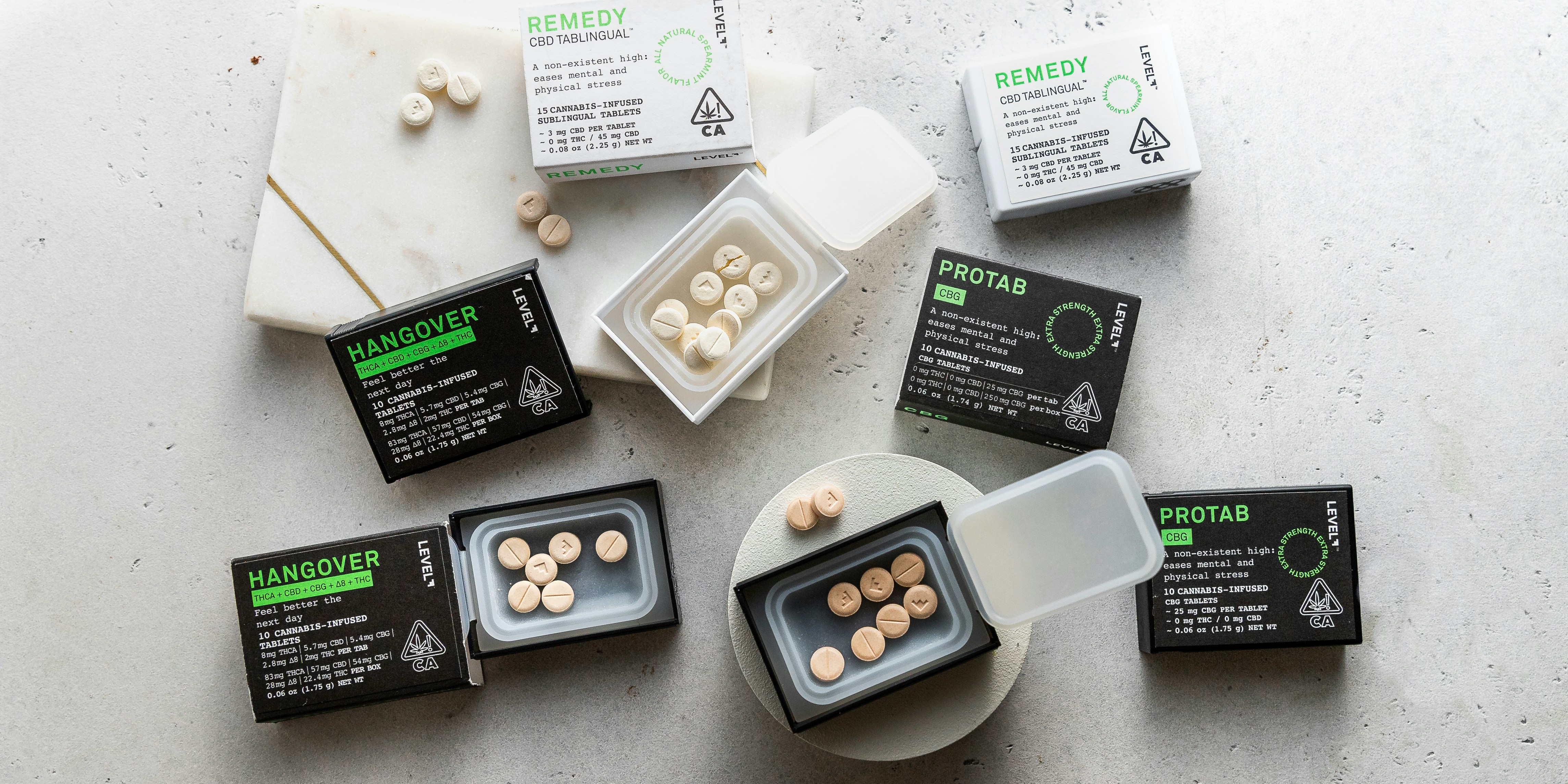
Reading a product label is like decoding a tiny legal and scientific snapshot. Common lines to scan are serving size, milligrams per serving, total cannabinoid content and any activity claims. A handy mini-table below shows what a few common label lines actually tell you:
| Label line | What it means |
|---|---|
| THCA: 15 mg | Amount of raw, acidic cannabinoid per serving (non-intoxicating until heated) |
| Total THC | Often includes converted THCA; check COA for calculation method (0.877×THCA) |
| Hemp-derived | Means source plant is hemp, but not a guarantee of legal compliance or safety |
Practical tips: buy from licensed retailers, confirm the COA matches the package batch, and keep labels and receipts.If dosage or content is unclear, contact the manufacturer directly-if they can’t or won’t provide clear testing facts, walk away. When trying a new THCA product,use a cautious “start low,go slow” approach and store everything safely and legally.
In Retrospect
You’ve now reached the trailhead after a short walk through the world of THCA. Think of it as one piece of the cannabis map: chemically familiar to THC, usually non-intoxicating on its own, and easily altered by heat. Along the way you learned how it’s made in the plant, how it behaves differently from THC, and why researchers and consumers are paying attention – even if many answers are still being sought.
If you take anything away, let it be this: THCA is captivating and perhaps useful, but it’s not a simple magic bullet.evidence is emerging, laws vary by place, and individual responses can differ. Treat new products and claims with healthy curiosity, and rely on reputable sources and professionals when making choices that affect your health or legal standing.
Curious to go deeper? Look up peer-reviewed studies,check local regulations,and speak with a knowledgeable clinician or dispensary professional. For beginners, small steps and careful questions are the best way to keep exploring.
Thanks for reading – may your next stop on the cannabis map bring clarity, not confusion.