


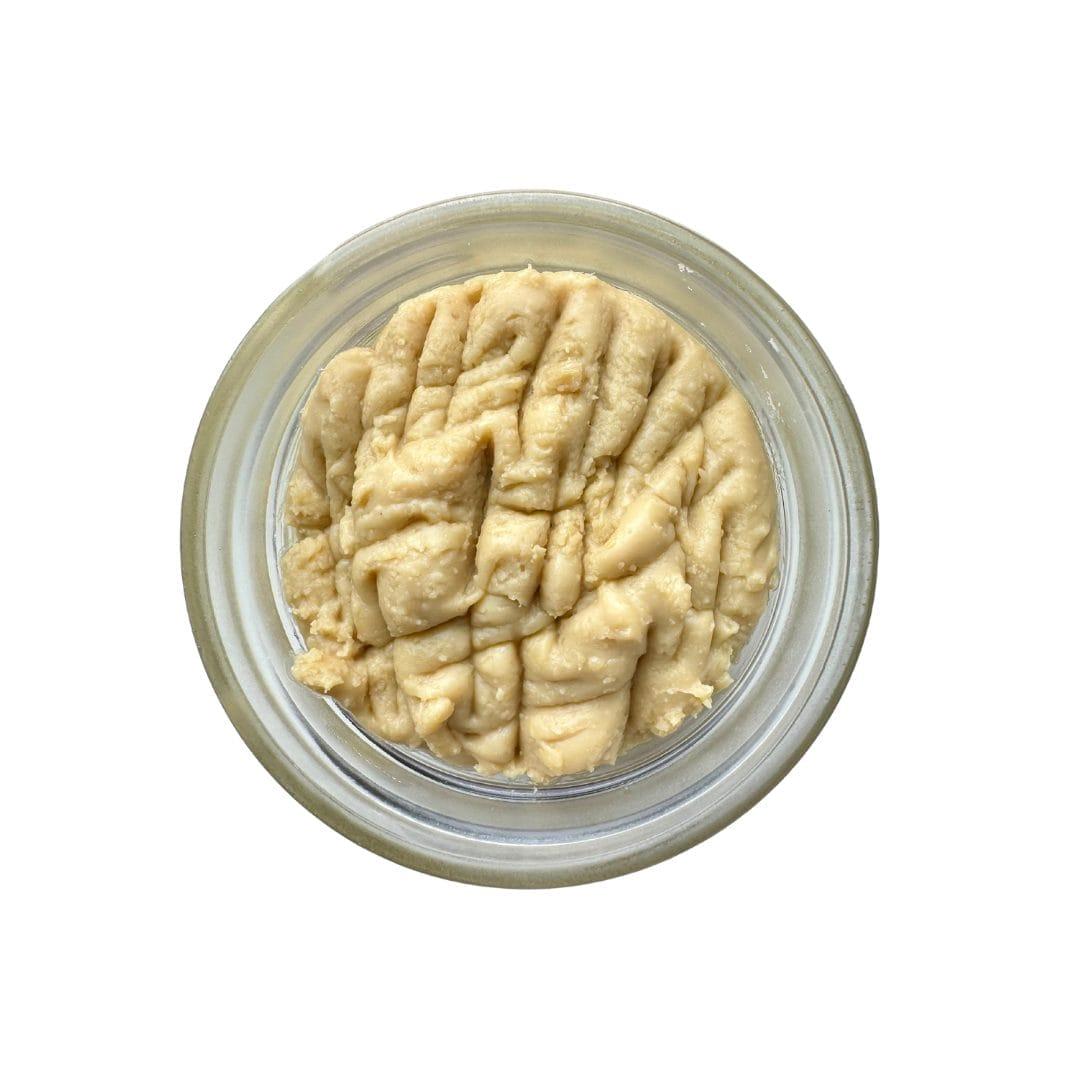
THCA’s ascent from niche curiosity to a distinct category on dispensary shelves has turned the broader cannabis market into a shifting mosaic of product formats, price points and consumer preferences.Tetrahydrocannabinolic acid (THCA) – the non-intoxicating acidic precursor to THC that figures prominently in raw and specially formulated products – is drawing attention not only for its chemistry, but for how it is changing assortment strategies, supply chains and retail dynamics.
This quarterly update takes a product-type lens to those changes. Using sales and distribution data, SKU-level snapshots and on-the-ground reporting, we trace performance across flower and pre-rolls, concentrates, vapes, edibles and ingestibles, topicals and tinctures, and emerging hybrid formats. We highlight where demand is consolidating, where innovation is opening new niches, and how pricing, regulation and sourcing pressures are reshaping margins and shelf space.Read on for a clear-eyed survey of the past quarter: what moved the market, which product types are gaining traction, where risks and opportunities cluster, and what to watch for in the months ahead – whether you’re a brand manager, retailer, investor or industry observer charting the next wave.
Concentrates and Vapes Performance Insights with Packaging, Testing, and Compliance Actions
Shelf performance this quarter shows a distinct split between raw concentrates and cartridge formats: concentrates command loyalty from craft consumers who prioritize potency and flavor fidelity, while vapes drive repeat purchases through convenience and consistent dosing.Packaging has proven decisive - matte,inert-lined syringes and glass jars preserve terpene profiles longer,whereas child-resistant,tamper-evident cartridges win on safety perception and retail acceptance.Retailers report that clear,concise labeling with QR-linked lab certificates increases conversion and reduces post-sale inquiries.
Laboratory scrutiny and in-market testing findings are shaping product roadmaps. Labs are flagging solvent residue spikes in poorly purged concentrates and battery/atomizer failures in low-cost vape hardware. Key operational checks that teams have prioritized include:
- Potency verification (CBDA/THCA profiles and stability)
- Contaminant panels (residual solvents, pesticides, heavy metals)
- Packaging integrity (leak tests, child-safety compliance)
- Traceability (batch QR codes and chain-of-custody records)
These checkpoints shorten response times for corrective actions and support a defensible compliance posture if regulators audit product lines.
Practical compliance moves this quarter have been conservative but impactful: tighter supplier audits, scheduled stability testing at 30/60/90 days, and shelf-label harmonization across SKUs.Below is a compact KPI snapshot used by category managers to compare high-level product health between formats:
| Metric | Concentrates | Vapes |
|---|---|---|
| Lab Pass Rate | 96% | 92% |
| Avg. Shelf Stability | 12-18 months | 6-12 months |
| Packaging Fail Rate | 1.2% | 3.8% |
| recall Incidents / Q | 0-1 | 1-2 |
Quarterly Forecasts by Product Type and Tactical roadmap for Market Share Growth
As consumer preferences continue to fragment, each product category is carving a distinct trajectory this quarter. Flower remains the backbone for volume, while concentrates and vape formats capture premium spend. Edibles show steady adoption among new users, and topicals gain traction in wellness channels. Macroeconomic pressures and regulatory shifts will temper headline gains, but targeted pricing and packaging tweaks can preserve margin while nudging share upward.
To translate these projections into tangible gains, prioritize a compact set of high-impact actions:
- Channel optimization: reallocate displays and staff training to high-conversion retail windows.
- Product-tiering: introduce a value line to protect share in price-sensitive segments and a small-batch line to defend premium margins.
- Data-driven promos: run short, measurable campaigns tied to SKU-level lift rather than blanket discounts.
- Regulatory readiness: pre-clear labeling and testing workflows to avoid stock disruptions that erode consumer trust.
| Product Type | Q growth (%) | Primary Tactic |
|---|---|---|
| Flower | +2-4% | Pack-size mix & regional promos |
| Concentrates | +6-10% | Limited drops & educational demos |
| Vapes | +4-7% | Safety openness & flavor innovation |
| Edibles | +3-5% | Dose-consistent formats & sampling |
Operationalize progress with simple KPIs and clear ownership:
- SKU-level velocity measured weekly to detect early winners.
- Promo ROI tracked per campaign to avoid margin bleed.
- Out-of-stock rate kept below target to prevent share leakage.
These measures,combined with iterative assortment work and rapid retail feedback loops,will be the most reliable path to enduring share gains this quarter.
In Conclusion
As this quarter’s data settle into place, the THCA market looks less like a single current and more like a braided river - distinct streams of demand, regulatory forces and product innovation coursing side by side. Flower and concentrates remain the backbone for many consumers, while edibles, vapes and novel formats continue to carve out niche channels, each responding to shifting preferences, price signals and regional policy changes.
For producers, retailers and investors, the takeaway is one of calibrated attention rather than dramatic pivots: optimize where margins and compliance align, watch emerging product types for signs of wider adoption, and expect short-term volatility around regulatory news and supply fluctuations. Data-driven product mix decisions and nimble supply chains will be the clearest advantages in the months ahead.
We’ll keep tracking unit volumes, price movements and category-level innovation so you can see which streams are widening and which are ebbing. Until the next quarterly snapshot, think of this market as a landscape in motion - familiar contours, but always room for new paths to form.
