


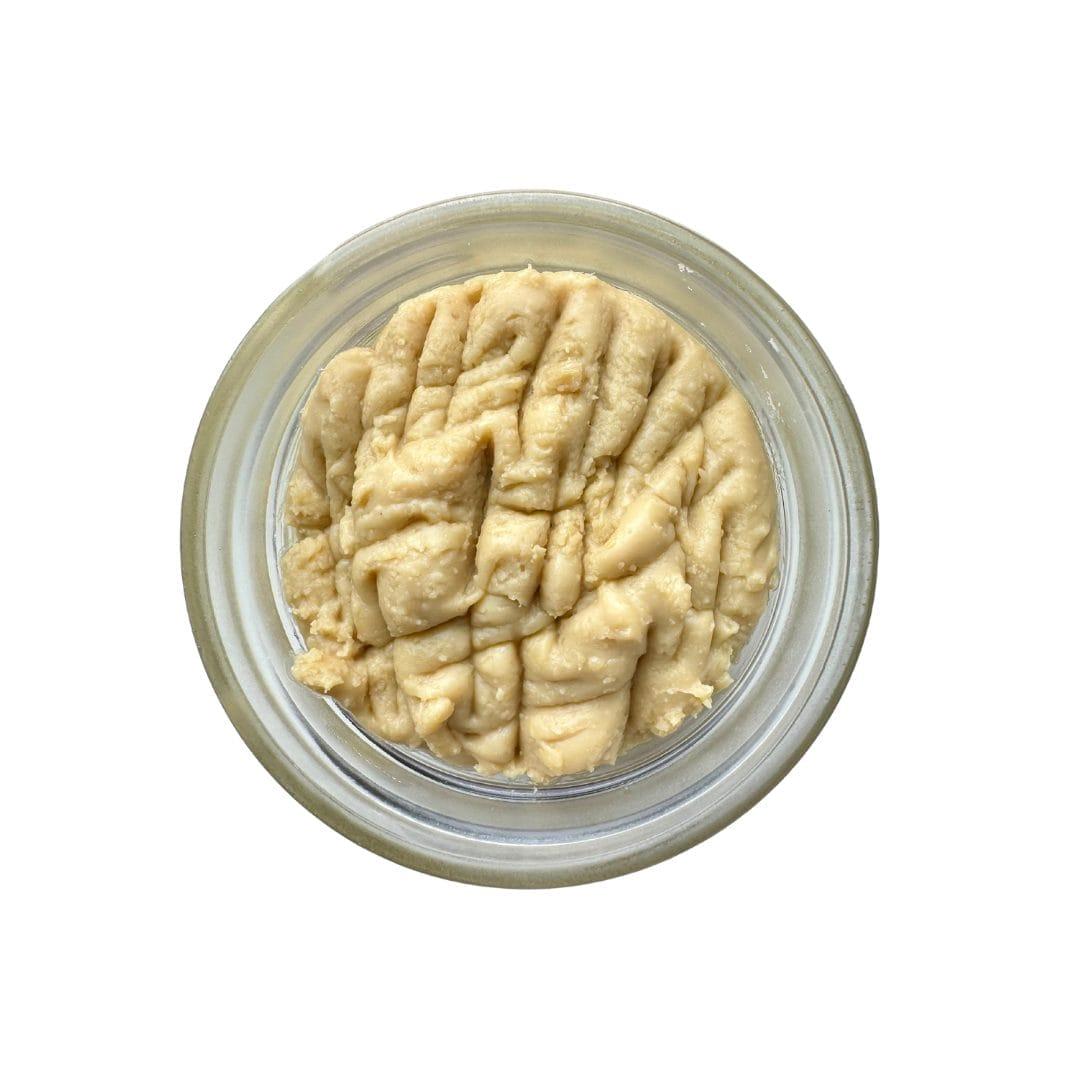
A single figure – the per‑pound price of THCa – has become a compact way to read the mood of a larger industry: part commodity ledger, part regulatory thermometer. What once moved in quiet increments now spikes and softens as policy shifts, extraction technologies advance, and consumer demand for high‑potency concentrates swells. In this landscape, price is less an endpoint than a signal, reflecting supply bottlenecks, lab‑testing backlogs, interstate logistics and the ebb and flow of investor interest.
This article walks through the latest update on per‑pound THCa market growth and the trends shaping it. We’ll survey the key drivers behind recent price movements, examine how regional regulations and testing standards are reconfiguring supply chains, and outline where consolidation, innovation or new market entrants could change the trajectory next. The aim is to give stakeholders a clear, neutral reading of a market in motion – one that matters to growers, extractors, buyers and anyone tracking the cannabis economy.
Supply Chain Shifts Fueling Per Pound THCa Price Movements
Market rhythms are shifting as bottlenecks and efficiencies ripple through the THCa per‑pound landscape. When extraction labs run at capacity or testing backlogs lengthen, growers and processors feel immediate pressure to adjust asking prices; conversely, new processing lines and streamlined logistics can depress spot prices almost as quickly. These oscillations are often less about raw plant supply and more about the cadence of the machinery and services that convert biomass into sellable THCa product.
Several supply-chain inflection points consistently act as the levers behind price swings. Transportation delays raise carrying costs and tighten available inventory. Regulatory audits or reclassification can abruptly restrict movement, creating short-term scarcity. And when consolidation occurs-M&A among processors or wholesale consolidators-negotiating power shifts, which can widen spreads between contract rates and spot bids.
- Extraction capacity: A major determinant of how quickly biomass is converted into marketable THCa.
- Testing throughput: Fast labs smooth flow; backlogs create temporary supply cliffs.
- Energy and input costs: Sudden spikes feed directly into per‑pound break-evens.
- Inventory velocity: High turnover reduces sensitivity to one-off disruptions.
| Driver | Immediate Effect | Typical Timeframe |
|---|---|---|
| Lab Backlogs | Upward price pressure | Weeks-Months |
| New Extraction Lines | Supply easing, lower spot | Months |
| regulatory Change | Volatility & repricing | Immediate-Months |
Quality Differentiation and Laboratory Standards Driving Market Premiums
Buyers increasingly treat a certificate of analysis as a passport to price differentiation: a clean COA with consistent THCa readings, low heavy metals and microbial counts, and documented chain-of-custody can lift per-pound bids by a noticeable margin. Labs that offer ISO-style accreditation or widely recognized proficiency testing results command trust; traders and manufacturers send premium signals to sources that can demonstrate repeatable assays and validated methods. In practice, the market is rewarding transparency as much as potency – a high THCa number without robust testing is now worth far less than a modest number backed by rigorous lab work.
Quality-driven premiums center on a handful of measurable attributes.Sellers investing in these areas often see the best returns:
- Consistent potency across harvest batches
- Low contaminant profiles (pesticides, solvents, microbes)
- Detailed terpene analysis that supports product positioning
- Rapid, auditable COAs and provenance documentation
These checkpoints make it easier for buyers to underwrite products for extraction, formulation, or direct branded sales, and they create a visible ladder of value in per-pound pricing.
| quality Tier | Typical THCa | Premium vs. Base |
|---|---|---|
| Certified Elite | 25-30% | +25-40% |
| Verified Standard | 18-24% | +5-15% |
| Unverified Bulk | 12-18% | Base / Discount |
As firms chase those premiums, expect increased expenditures on lab partnerships, on-site QC, and third-party audits. The immediate effect is a bifurcation: premium supply tightens and commands higher per-pound bids, while untested bulk becomes a discount play for less risk-averse buyers. Over time, market-level standardization – whether driven by regulators, major brands, or buyer consortia – will likely compress volatility and make premium separation a cleaner, more predictable part of per-pound price revelation.
Price Forecasts and Inventory tactics Tailored for Producers and Traders
expect volatility to persist as per-pound THCa demand thickens across industrial and extract markets. Current market models point to a near-term band between $28,000-$45,000 per pound under most liquidity scenarios, with a base-case uptick driven by rising commercial extraction and formulation use. Three forecast tracks-conservative, base, and bullish-help producers and traders set actionable thresholds rather than chasing a single point estimate.
| Quarter | low (USD/lb) | Median (USD/lb) | High (USD/lb) |
|---|---|---|---|
| Q2 2026 | $28,000 | $36,000 | $45,000 |
| Q3 2026 | $30,000 | $38,000 | $48,000 |
| Q4 2026 | $33,000 | $42,000 | $55,000 |
| Q1 2027 | $30,000 | $40,000 | $50,000 |
Producers shoudl convert these ranges into inventory rules: favor layered forward sales to lock margins on a portion of expected yield, stagger harvests or drying schedules to smooth supply, and apply quality-tier pricing so premium lots capture upside while commodity-grade product moves quickly. Practical moves include maintaining a short-term buffer (4-6 weeks) of finished product for spot opportunities and a longer strategic reserve (2-3 months) purposely priced into contracts to avoid forced sales during dips.
Traders benefit from disciplined position sizing and explicit triggers: use rolling 30/90-day averages to define buy/sell bands, apply simple hedges via fixed-price contracts to protect margins, and prioritize lots with clear QA data to reduce discount risk. Tactical options worth listing:
- scale-in entries across the forecast band to average cost basis
- Blend and reclassify to move lower-grade inventory faster
- Short-duration storage & packaging upgrades to preserve value during waits
Both sides should run scenario P&L stress tests-best, base, and worst-so inventory actions align with balance-sheet comfort rather than market optimism.
Actionable Compliance Marketing and Growth Steps for the Long Term Per Pound THCa market
Think of regulatory rigor as a competitive moat: the tighter and more clear your compliance systems, the easier it becomes to win large per‑pound deals and keep them. Start by codifying a living compliance playbook that includes standardized lab testing protocols, batch-level chain-of-custody records and a rolling state-by-state regulatory calendar. Invest in a simple compliance dashboard that surfaces SKU risk scores-this turns uncertainty into predictable action items for procurement, sales and operations.
Turn compliance into a marketing asset by baking it into all outward-facing materials. Use an editorial calendar focused on buyer education, publish redacted Certificates of Analysis alongside high-resolution product imagery, and train account teams to sell traceability as part of price justification. Tactical items to implement immediately include:
- Regular internal audits with corrective action timelines
- Third‑party lab partnerships for self-reliant validation
- Transparent pricing ladders tied to guaranteed QA levels
- Contract templates that include compliance warranties and indemnities
Operational resilience supports long-term volume growth: build safety stock buffers aligned to lead‑time volatility, negotiate flexible co‑pack or tolling agreements to scale capacity quickly, and segment buyers into tiers so you can prioritize compliance-heavy customers without sacrificing spot market agility. Measure progress with a few tight KPIs-percentage of batches traceable within 24 hours, contract renewal rate for top 10 buyers, and cost per pound to remediate non‑compliant lots. These metrics convert regulatory investments into repeatable commercial outcomes.
| Action | Timeframe | Leading KPI |
|---|---|---|
| Compliance audit + playbook | 30-60 days | Open NCAs closed (%) |
| Seed‑to‑sale traceability system | 3-6 months | Batch traceability time |
| B2B contracting with quality tiers | 6-12 months | Contracted revenue share (%) |
The Way Forward
The per‑pound THCa market, like a coastline reshaped by recurring tides, is being remolded by shifting demand, regulatory currents and advances in processing and testing. Recent data point to continued expansion, but that growth comes with regional variability and intermittent volatility – a reminder that headline figures tell only part of the story. Producers, buyers and observers alike are navigating a landscape where price signals, inventory flows and compliance requirements all matter as much as raw supply.Looking ahead,the clearest advantage will go to those who pair cautious optimism with rigorous information: track pricing and inventory trends,monitor regulatory and testing developments,and factor conversion pathways and quality standards into sourcing and risk plans. The per‑pound THCa market is still finding its contours; staying attentive to fresh data and adaptable to change will be the best guide as the industry evolves.
