



Imagine opening a map marked with a single, intriguing point: THCA. For many, that little acronym sits at the edge of a larger conversation about cannabis compounds, scientific labels, and shifting laws. This quick-start guide is your compass to that point – not a deep academic treatise,but a clear,approachable primer that explains what THCA is,how it differs from its better-known cousin THC,and why it has attracted attention from researchers,consumers,and regulators alike.
You’ll find straightforward explanations of the chemistry behind THCA, the kinds of products and contexts where it appears, and the key safety and legal questions to keep in mind. The tone stays neutral and fact-focused: our goal is to equip you with the baseline knowledge you need to read further, ask informed questions, and decide which aspects you want to explore in depth.
If you’re new to cannabinoid terminology, curious about labeling and testing, or simply trying to make sense of headlines, this guide will point you in the right direction – clear, compact, and ready for practical use.
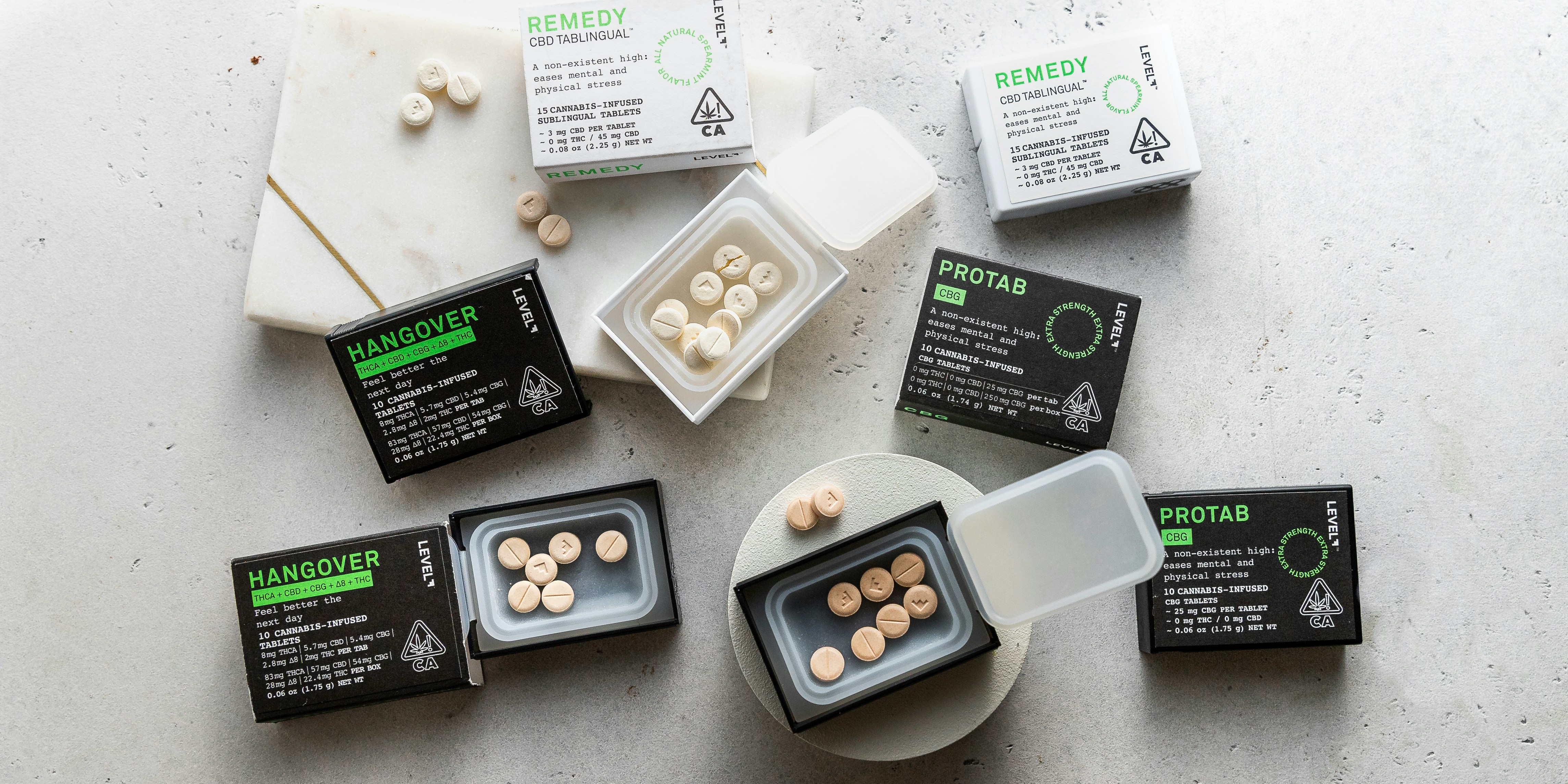
What THCA Is and how It Differs from THC
THCA sits in the plant like a sleeping seed – abundant in fresh, uncured cannabis and chemically distinct from its famous cousin, THC. At the molecular level it carries an extra carboxyl group (that “-COOH” tag) which keeps it from binding the same way to brain receptors. The result: in its raw form it does not produce the classic psychoactive “high” associated with cannabis, but it still contributes to the plant’s overall chemistry and potential effects when consumed differently.
Heat,light,or simply time act like an unlock key: when the carboxyl group is removed (a process called decarboxylation),THCA transforms into active THC. That conversion is why smoking, vaping or baking cannabis changes both the experience and the chemistry – the formerly dormant acid becomes the familiar intoxicant.Conversely, cold preparations such as juicing or low-temperature tinctures can preserve THCA and its non-intoxicating profile.
- Psychoactivity: THCA – non-intoxicating; THC – psychoactive.
- Form found: THCA – raw/fresh plant; THC – cured/activated product.
- Activation: THCA requires decarboxylation to convert into THC.
- Use cases: THCA can be sought for raw formulations; THC for customary recreational and many medicinal uses.
| Property | THCA | THC |
|---|---|---|
| Intoxicating? | No (raw) | Yes |
| Typical source | Fresh/cured flower before heating | Smoked, vaped, or decarbed products |
| Conversion | Decarboxylation → THC | Already active |

Dosage Recommendations and Titration Strategies for New Users
Start low, go slow is the simplest and safest way to discover what works for you. For most people new to THCA, that means beginning with a very small amount and giving your body time to respond before increasing. Because individual sensitivity varies, think in terms of tiny steps rather than large jumps – this minimizes unexpected effects and helps you learn your personal sweet spot without rushing.
| Route | Typical starting suggestion | Increment | Observation window |
|---|---|---|---|
| Sublingual (tincture) | 2-3 mg | +1 mg every 3-5 days | 30-90 minutes |
| Raw/juiced (uncarboxylated) | small serving; 5-10 mg THCA equiv. | +2-5 mg weekly | 1-3 hours |
| Topical (creams, balms) | small patch test | increase area or frequency | 15-60 minutes |
keep a short, focused log as you titrate: note dose, time, subjective effects, and any side effects. Useful habits include taking the dose at the same time of day, changing only one variable at a time, and using the same product batch while you’re experimenting. If you heat THCA (smoking, vaping, cooking) it converts to THC, which has very different effects – treat heated products as a separate experiment and adjust expectations and dose accordingly.
Trust your body: stop increasing once you reach the desired effect or notice unwanted reactions. If you’re on prescription medications, pregnant, nursing, or have serious health conditions, consult a healthcare professional before adjusting doses. A conservative mindset plus careful record-keeping will get you to a stable routine with minimal surprises.

Consumption Methods Explained with Practical Safety Tips
Different ways of using THCA can create very different experiences, and small choices – like delivery method, temperature, and timing – matter more than you might expect. Consider your goals first: are you seeking quick, controllable effects or a gentler, longer-lasting experience? Also check local laws and product lab results before trying anything new.When in doubt, choose products from reputable sources and prioritize third‑party testing for potency and contaminants.
Common options include:
- Raw or fresh flower: Consumed in salads or juices for non‑psychoactive effects when not heated.
- Smoking or vaping: Fast onset and easy titration; be mindful of combustion byproducts and device quality.
- Edibles and capsules: Slower onset with prolonged effects – ideal for steady, longer coverage but harder to dose precisely.
- Tinctures and sublinguals: Moderately fast onset and easier to control than edibles, with flexible dosing.
- Topicals: Localized submission for targeted relief without systemic psychoactivity.
Practical safety habits will reduce surprises. Always start low and go slow, especially if mixing with alcohol, prescription medications, or other cannabinoids. Use clean equipment, avoid makeshift concentrates or homemade extractions, and never use products if labels or lab results seem inconsistent. If you experience adverse effects, stop use and seek medical advice – better safe than sorry.
| Method | Typical Onset | Duration |
|---|---|---|
| Vapor / Smoke | Minutes | 1-3 hours |
| Edible / Capsule | 30-120 minutes | 4-8+ hours |
| Tincture (sublingual) | 15-45 minutes | 2-5 hours |
| topical | Variable (local) | Localized, short-medium |
to sum up
As you fold this guide closed, think of THCA as a new map in a familiar atlas – intriguing contours, clear coordinates for first steps, and plenty of terrain left to explore. You now have the basics: what THCA is, how it differs from other cannabinoids, simple ways people interact with it, and the practical considerations to keep in mind.
Move forward deliberately. Cross-check local laws, start with low amounts if you choose to try products, pay attention to testing and labeling, and keep conversations open with knowledgeable sources.If you want to dig deeper, seek reputable studies, lab reports, and experienced professionals rather than relying on anecdotes.
Whether your interest is curiosity, research, or practical use, a measured approach keeps the path open and the experience informed.Let this quick start be the spark – not the whole story – and keep learning with care and curiosity.

