


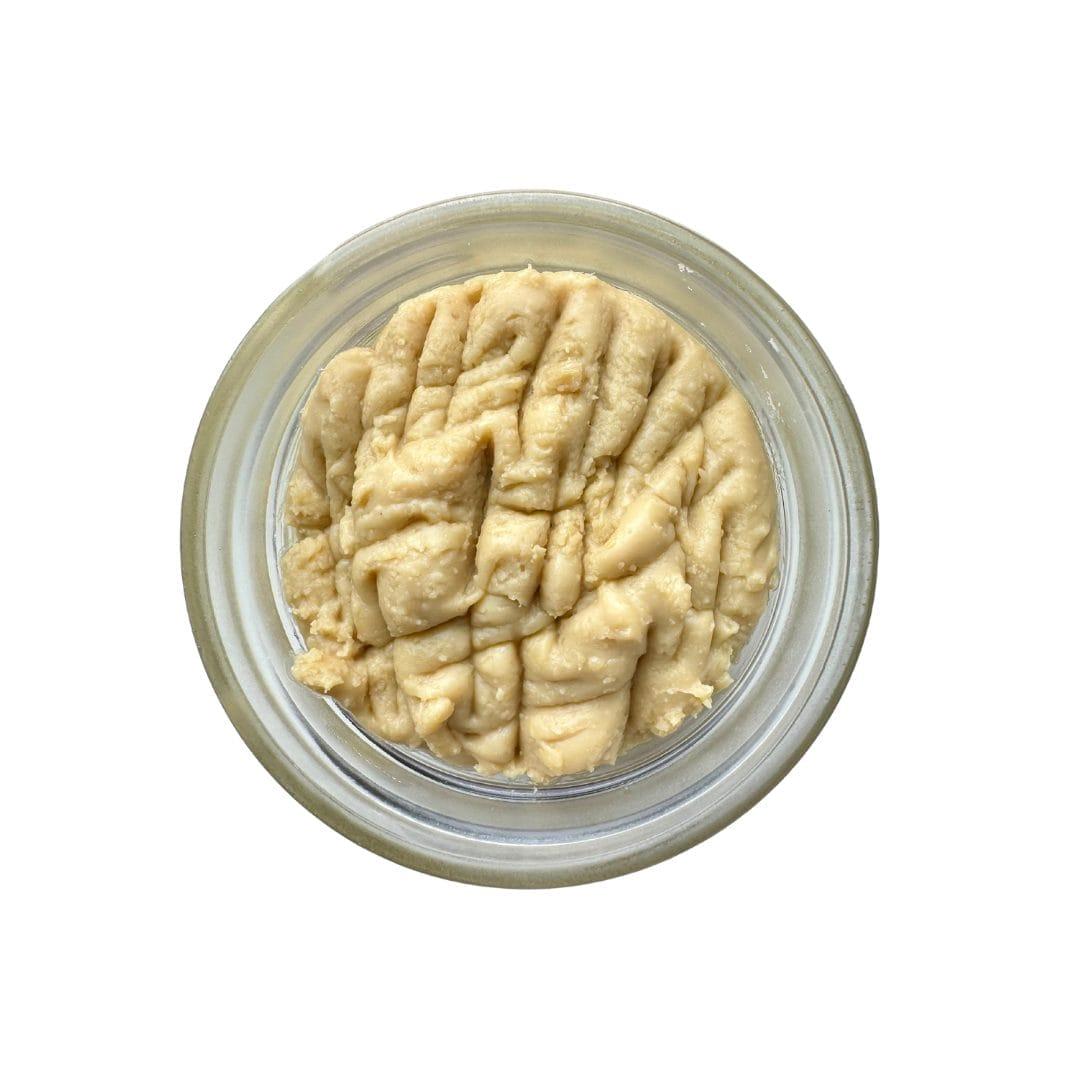
Like a weather map for an emerging industry, the THCa market is constantly shifting-clouds of regulation, pockets of demand and sudden gusts of supply shape prices from state to state. This national average update peels back the contours of that landscape, offering a data-driven snapshot of where THCa stands today and how regional differences are influencing the broader market.
In the pages that follow, we compare state-level averages, highlight notable movements and outliers, and unpack the forces-policy changes, retail dynamics and cultivation trends-behind the numbers.the aim is a clear, neutral guide for consumers, producers and policymakers alike: a timely overview that situates local realities within the nationwide picture.
State by State Variability Explained: Drivers behind Premiums and Discounts
Prices for THCa vary not because of a single national pulse but because each state writes its own market rules.Local licensing frameworks, testing mandates, tax structures and even cultural preferences shape whether a product carries a premium or a deep discount. Coastal metros with saturated retail networks often see price pressure, while states with scarce legal retail or heavy enforcement of illicit markets can sustain elevated margins. In short, the map of THCa prices is a patchwork of policy, logistics and consumer taste-and each patch behaves differently.
- Regulation: licensing limits and testing protocols raise baseline costs.
- Supply: local cultivation capacity and harvest timing create surpluses or shortages.
- Demand: demographic preferences and medical vs. adult-use balance shift willingness to pay.
- taxes & fees: per-gram levies or high excise rates directly inflate retail prices.
- Distribution: limits on transport and economy of scale determine added logistics costs.
These forces interact: heavy testing requirements can turn moderate supply into expensive stock, while permissive retail laws and mature extraction industries drive discounts through competition and scale.Brands and formats matter too-concentrates,isolates and branded products travel different cost pathways than raw biomass. Observers should watch policy shifts (new licenses, tax adjustments) and seasonal harvests to anticipate where premiums will appear or fade.
Below is a swift illustrative snapshot showing how a few representative states can tilt the national average:
| State | Typical Deviation | Primary Driver |
|---|---|---|
| California | -6% (discount) | Mature market & high competition |
| Texas | +18% (premium) | Limited legal access & enforcement dynamics |
| Florida | +10% (premium) | Testing/compliance costs & strong medical demand |
| Oregon | -8% (discount) | Oversupply from large cultivation footprint |
Pricing Tactics for Producers and Retailers: Optimizing Margins Without Sacrificing Market Share
Finding the sweet spot between profit and presence in the THCa marketplace means thinking like both a scientist and a storyteller. Producers should anchor pricing in real cost and perceived value-calculate true unit economics, then layer in consumer signals like brand equity, potency, and preferred formats. Retailers, meanwhile, can use localized pricing maps to reflect state-level supply curves and regulatory overheads.The result is a coordinated approach where price isn’t just a number,it’s a signal: to premium buyers it communicates quality; to bargain hunters it suggests access without sting.
Operational tactics make the theory actionable. Small-format SKUs, timed micro-promotions, and strategic bundling keep velocity high without permanently eroding price points. Below is a simple reference table producers and retailers can adapt quickly when piloting price changes by region:
| Tier | Suggested Retail | Projected Margin | Regional Focus |
|---|---|---|---|
| everyday | $15-$18 | 18-22% | High-volume metro |
| Premium | $25-$32 | 30-38% | Affluent suburbs |
| Limited | $40+ | 40%+ | Medical/collectors |
Practical moves that preserve share while improving margins include:
- A/B testing price points across matched stores to measure elasticity.
- Rotating value packs to capture price-sensitive buyers without cutting MSRP.
- Dynamic markdowns tied to inventory age rather than arbitrary calendar discounts.
- Cross-promotions that trade small margin on one SKU for higher basket-size overall.
- Transparent loyalty rewards that increase repeat purchase probability without permanent discounts.
Keep the feedback loop short: monitor sell-through, margin per square foot, and customer lifetime value weekly during pilots. Use that data to refine whether a price shift is a temporary lever for traffic or a permanent repositioning. Collaboration between producer and retailer-sharing SKU-level margins and promotional lift-turns price into a strategic asset rather than a blunt instrument. Bold, disciplined experimentation lets you protect margins while respecting consumers and maintaining market share.
Key Takeaways
Like the country’s patchwork landscape, the THCa market continues to shift from coast to coast – sometimes in slow, predictable ways, sometimes with sudden ripples that redraw the map overnight. This update has traced those regional contours and distilled them into a single national average,but remember: that number is a snapshot,not a statute. Local regulations, supply-chain shifts, and consumer demand will keep reshaping prices and availability.
If you track THCa markets for business, policy, or curiosity, treat this overview as a compass rather than a map. Check regional reports, stay aware of legal changes, and expect future updates to tell a slightly different story. We’ll be back with the next pulse check to follow the trends, compare the corners of the market, and translate movements into useful context.
Until then, keep watching the data, and let the variations inform-not alarm-your next step.
