


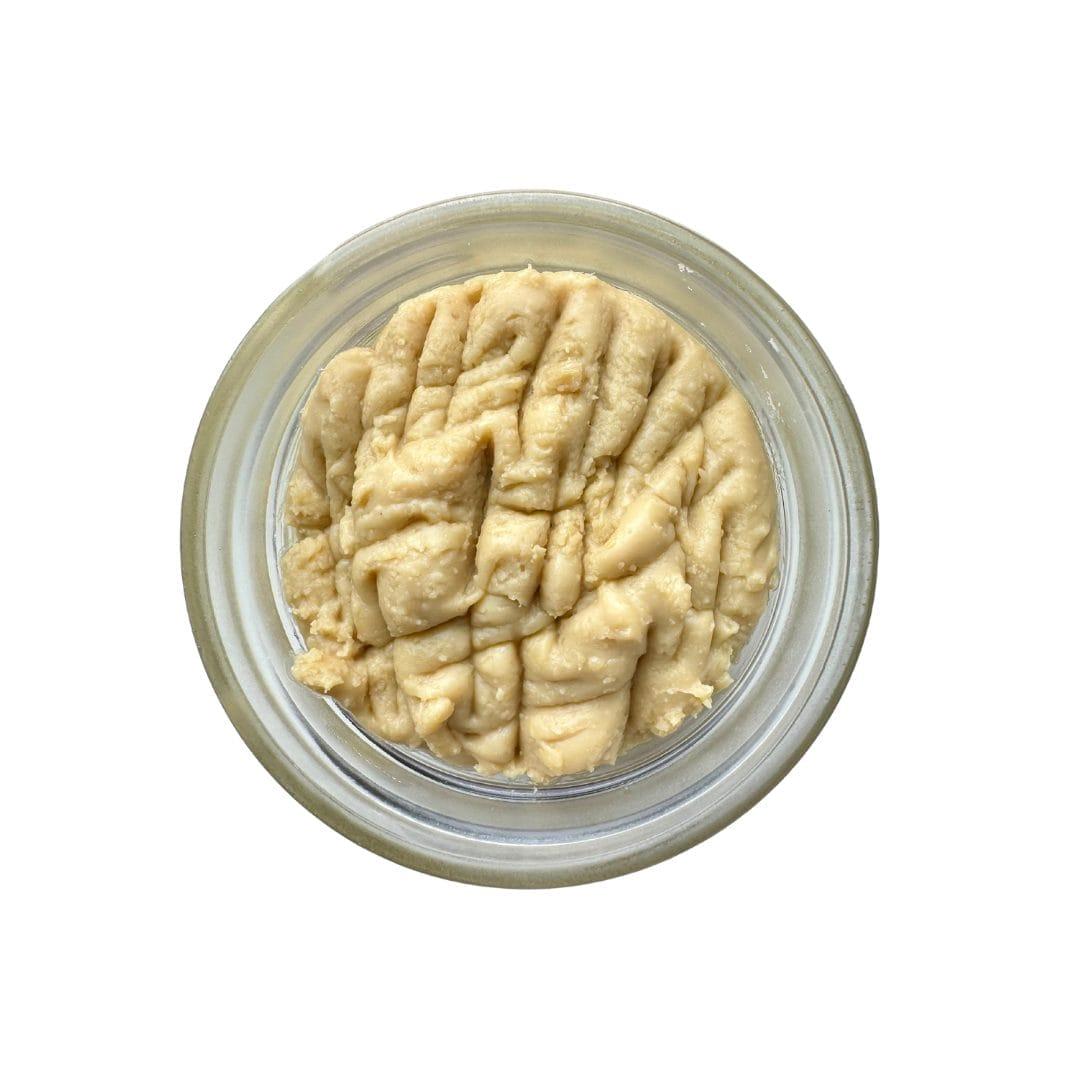
Across the United States, the wholesale market for THCA – the acidic precursor to THC found in hemp and cannabis plants – is shifting like a weather system, driven by changing laws, production capacity and consumer demand. Prices that look stable on a national chart can hide dramatic microclimates: regions with abundant acreage and processing infrastructure often undercut markets where regulatory barriers, transportation costs, or tax structures tighten margins. Understanding those regional patterns is essential for growers, processors, retailers and investors who need to navigate an industry that is as legally complex as it is indeed commercially promising.
This article maps the contours of the THCA wholesale landscape,examining price differences state by state and across major U.S. regions. We analyze recent transaction data, regulatory influences, cultivation trends and supply-chain dynamics to explain not just where prices are highest or lowest, but why. factors such as licensing regimes, lab testing standards, local demand, proximity to extraction facilities and interstate shipping restrictions all leave distinct fingerprints on regional price behavior.
Read on for a data-informed regional analysis that balances market detail with practical context. Whether you’re evaluating supply contracts, planning cultivation or tracking investment risks, this overview will clarify which regional forces are shaping THCA wholesale prices today – and which ones are likely to matter next.
State Regulations,Testing Standards,and Their Direct Effect on Wholesale Rates
Across the U.S. the regulatory quilt stitched by individual states creates immediate, measurable ripples through wholesale markets. when laboratories apply divergent cutoffs, potency assays and contaminant screens, growers and processors experience differing levels of waste, rework and administrative overhead. Higher testing failure rates in some jurisdictions translate into lost batches and sudden supply shortages, which are reflected directly in spot prices for THCA concentrates and biomass.
These compliance burdens show up in predictable line items that buyers and sellers factor into negotiations:
- Third‑party lab fees and retests
- Quarantine storage and hold times
- Destruction or remediation of non‑compliant lots
- Certification, chain‑of‑custody documentation, and legal review
Even modest additions to per‑pound costs can widen regional price spreads as margins in the hemp and cannabinoid supply chain are frequently enough thin.
Market behavior adjusts creatively: some companies vertically integrate labs to control turnaround, others pay a premium for pre‑tested “compliance‑ready” lots.The net result is persistent regional differentiation-states with onerous or ambiguous rules tend to exhibit persistent supply compression and therefore price premiums, while jurisdictions with clearer, lighter testing regimes usually display more fluid markets and lower wholesale averages.
| Region / Example State | Relative Testing Strictness | Typical Wholesale Effect |
|---|---|---|
| West (e.g., CA) | High – comprehensive screens | Higher baseline prices; fewer bargain lots |
| Mountain (e.g., CO) | Moderate – clear guidance | Stable pricing; niche premiums |
| Northeast (e.g., MA/NY) | Variable - evolving standards | Volatile spreads during policy shifts |
| Southeast (e.g., FL) | lower to moderate - selective enforcement | Lower entry prices; higher downstream risk |
Closing Remarks
As the map of THCA wholesale prices unfolds, the picture that emerges is less a single trendline and more a mosaic of local forces – regulation, cultivation capacity, processing infrastructure, testing regimes and consumer demand – each tile coloring prices in different ways. regions with dense production and developed processing tend to show downward pressure on wholesale costs, while markets facing regulatory constraints, transportation hurdles or concentrated demand command premiums. Those patterns are not static; legal changes, technological improvements in extraction and testing, and shifting consumer preferences can redraw regional borders quickly.
For buyers,sellers and analysts alike the takeaway is practical: treat prices as regional signals,not universal facts. Build sourcing strategies around local compliance and quality standards, watch storage and logistics costs, and prioritize reliable lab data. For market observers, maintaining high-frequency, geographically granular price tracking will be essential to understanding short-term volatility and long-term trends.
In a market still maturing, prudence and responsiveness win out over prediction. Keep an eye on policy shifts, capacity expansions and supply-chain bottlenecks - and base decisions on up-to-date, local intelligence. The regional map of THCA wholesale pricing will keep changing; those who read its contours carefully will navigate it most effectively.
