


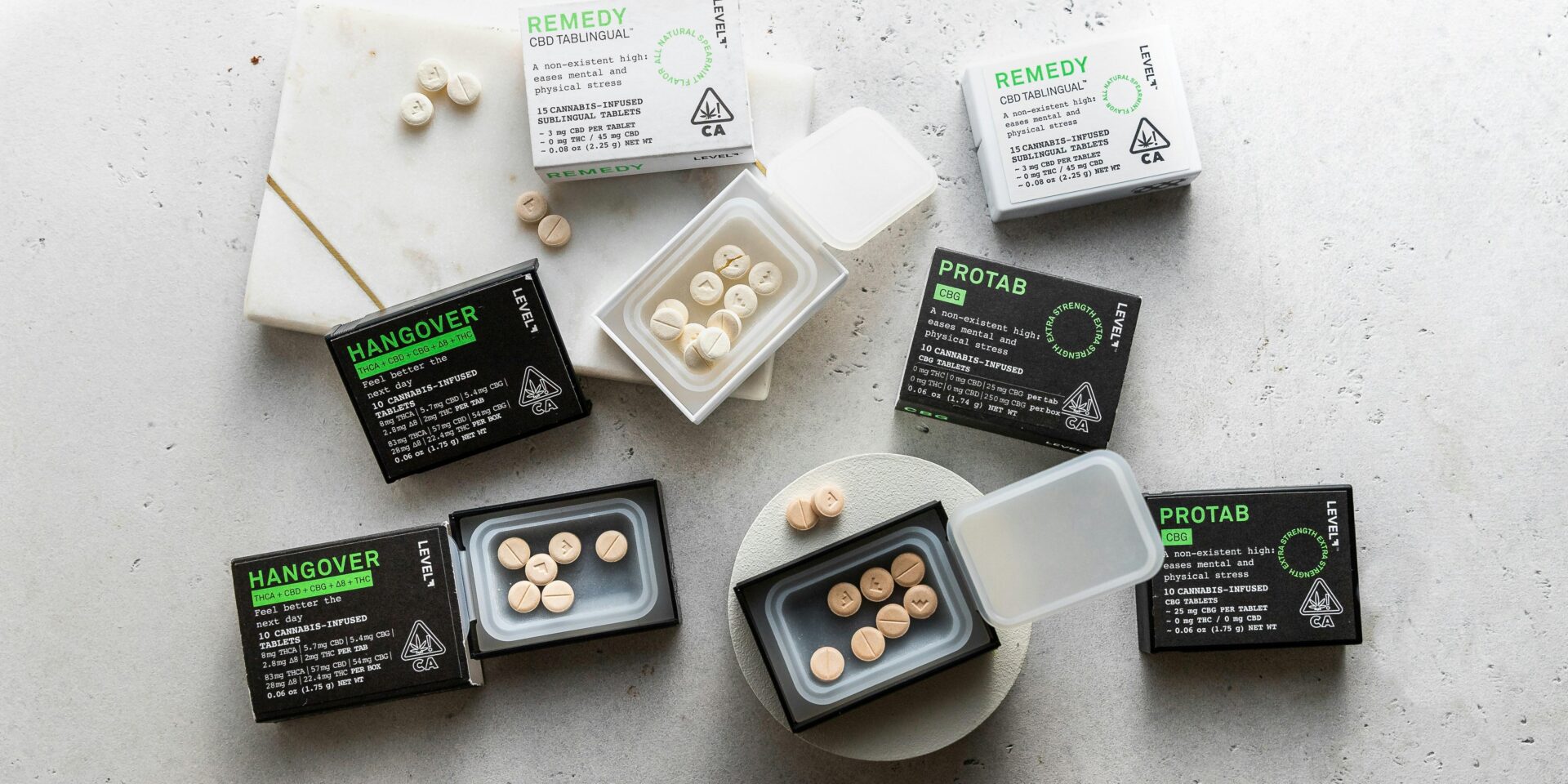
In the world of cannabis compounds, THCA is something of a quiet understudy: abundant in fresh plants, chemically distinct from the well-known THC, and only modestly understood.Unlike its better-known cousin,THCA typically does not produce an intoxicating “high” unless it is transformed by heat or time. Yet it has attracted curiosity from researchers, consumers, and policymakers alike – not because it promises dramatic effects, but because it occupies a gray area where chemistry, culture, and law overlap.
This article takes a measured look at THCA: what it is, the common ways people encounter and use it, and what users report feeling – from the subtle too the unmistakable – when it is ingested in different forms. We’ll draw on scientific findings, clinical caution, and real-world reports to separate established facts from anecdote, and we’ll flag legal and safety considerations that matter to anyone exploring this compound. Whether you’re a curious newcomer or a seasoned cannabis consumer, our aim is to illuminate THCA’s character without hype, so you can better understand how it fits into the broader landscape of cannabinoids.

Choosing the Right THCA Delivery Method: Raw Juicing, Tinctures, Vaping, and Decarboxylation Explained
Raw juicing keeps THCA in its native, non‑intoxicating form and reads more like a green tonic than a psychoactive product. The flavor is vegetal and fresh, and the experience is subtle – many people describe it as a clear, body‑forward sensation rather than a heady high. Because nothing is being intentionally activated, the focus tends to be on ritual, nutrition, and gentle effects rather than immediate psychoactive change.
Tinctures offer versatility: they can be formulated to preserve THCA or to contain converted (activated) cannabinoids-so the feeling can range from gentle to potent depending on the product. They’re easy to dose and discreet to use, which makes them popular for people who want control without smoking. Typical trade‑offs include convenience versus sensory experience: tinctures sacrifice the “fresh plant” vibe but gain portability and precision.
- Pros: measured dosing, discreet, portable
- Cons: less ceremonial, flavor can be neutral or medicinal
Vaping and decarboxylation are about transformation. Applying heat converts THCA into THC, which is what produces the classic psychoactive effects-so the choice to vape or otherwise activate cannabinoids changes not just intensity but character. vaping yields fast onset and tight control over timing and dose,but it also brings considerations about inhalation and device quality. Decarboxylation, conceptually, is the chemical switch that flips THCA into its activated cousin; once flipped, the subjective landscape shifts from subtle and body‑oriented to potentially euphoric or mind‑altering.
| Method | Onset | Intoxication Risk | Best for |
|---|---|---|---|
| Raw juicing | Slow | Low | Wellness rituals |
| Tincture (raw) | Moderate | low | Controlled dosing |
| Tincture (activated) | Moderate-fast | Moderate | Portable relief |
| Vaping / activated | Fast | High | Immediate effects |
Ultimately, the right route depends on what you want to feel and how you value convenience, discretion, and sensory experience. If you seek a non‑intoxicating, plant‑forward ritual, raw preparations shine. If precise control or rapid onset matters, activated tinctures or vaping may suit you better – with the caveat that activation changes the psychoactive profile. Consider flavor, onset, and legal or safety contexts when choosing, and opt for reputable products so the experience matches your intent.

Practical Dosing and Timing Recommendations for Beginners and Experienced Users
Begin with tiny steps. If you’re new to THCA, treat it like any unfamiliar botanical: microdose and observe. For inhaled or vaporized THCA the effects tend to appear within minutes and settle into a steady state in about 15-30 minutes; for oral forms (edibles,capsules) expect a delayed onset-often 30-90 minutes-with a longer,slower ride that can last several hours. Experienced users frequently enough tolerate higher single doses, but the safest rule is universal: start low, wait long, and increase slowly.
Practical starter ranges and timing to consider
- Microdose: 1-3 mg (useful for daily mild effects or symptom-aware exploration).
- Low: 3-10 mg (common starting band for many beginners trying a single session).
- Moderate to Experienced: 10-30+ mg (reserved for those who know their tolerance and reaction patterns).
- Timing: wait 15-30 minutes before redosing inhaled forms, and at least 2 hours (often 3) for oral preparations.
Keep a simple log – dose, route, time, and how you felt – to build a personalized baseline quickly.
Context matters more than numbers. Combining THCA with THC or CBD, using on an empty stomach, or pairing with alcohol all change the experience. Below is a swift reference table to match route, typical beginner starting range, and a safe wait period before considering more. Always check local laws and, if you have health conditions or take medications, consult a healthcare professional before experimenting.
| Route | Beginner Start | Safe Wait Before Redose |
|---|---|---|
| Vape/smoke | 1-5 mg equivalent | 15-30 minutes |
| Sublingual/Tincture | 2-8 mg | 30-60 minutes |
| Edible/Capsule | 3-10 mg | 2-4 hours |

Combining THCA with CBD, Terpenes, and Other Therapies to Shape the Experience
Think of THCA as a base note in a scent composition: subtle on its own but transformative when blended. When paired with CBD the texture of the experience can soften, with users frequently enough describing a more balanced, less sharp sensation. Terpenes act like the top and middle notes-brightening,grounding,or relaxing the overall profile-so a citrus-forward terpene will read very differently against THCA than a musky,sedative one. Rather than delivering a single fixed effect, these combinations let you sculpt mood, focus, and bodily sensation with intention.
Simple pairings can yield surprisingly distinct palettes. Common combinations to consider include:
- THCA + CBD – smoothing the edges and adding perceived balance;
- THCA + Linalool – a floral touch that many find calming;
- THCA + Pinene – a brighter,more alert note that counters heaviness;
- THCA + CBG – frequently enough described as adding clarity or focus to the mix.
| Partner | Characteristic |
|---|---|
| CBD | Balance & softness |
| Linalool | Floral calm |
| Pinene | Alertness boost |
Beyond cannabinoids and terpenes, layering THCA with other therapies-like topical relief, gentle movement, breathwork, or aromatherapy-creates multi-sensory experiences. Microdosing, timed rituals (a short walk after use), or pairing with a calming tea all change how the compound is perceived. the practical rule many creatives follow is to start low and go slow, keep a capsule-style notebook for observations, and tweak one variable at a time so you can truly learn how each element shapes the whole.
Safety, Side Effects, and Potential Drug Interactions to Watch For
Think of THCA as the quiet sibling of THC: raw, non-intoxicating and full of potential-but not risk-free. When left cold (juicing, tinctures made without heat, raw flower), THCA usually won’t produce a high.Heat is the plot twist: smoking, vaping, or baking decarboxylates THCA into THC, which can trigger the familiar psychoactive effects and the safety concerns that come with them. That transformation changes how the body reacts, so method of use matters as much as dose.
Side effects reported anecdotally and in early studies are generally mild but meaningful: dry mouth,lightheadedness,fatigue,temporary changes in appetite,and in some people,anxiety or an elevated heart rate if THCA converts to THC. People with cardiovascular issues, a history of psychosis, pregnant or breastfeeding individuals, and children should exercise extra caution. Practical harm-reduction steps include starting with very low amounts, waiting longer than you think before redosing, and avoiding heated consumption if you want to prevent psychoactivity.
- Start low, go slow: smaller initial amounts reduce the chance of an unpleasant reaction.
- Avoid mixing with alcohol or sedatives: combined depressant effects can amplify drowsiness or impairment.
- Check product labels and lab reports: potency and residual solvents/contaminants change risk profiles.
Drug interactions are not fully mapped for THCA, but caution is warranted. Like other cannabinoids,it may affect liver enzymes (CYP450 family),which can alter the levels of medications such as blood thinners (e.g., warfarin), certain antiepileptics, and drugs metabolized by CYP3A4 or CYP2C9. The table below gives a quick, practical snapshot of how common consumption routes influence safety considerations:
| Route | Psychoactive Conversion Risk | Primary Concern |
|---|---|---|
| Raw consumption (juicing) | Low | Contaminants, dosing uncertainty |
| Sublingual tinctures (no heat) | Low-moderate | Absorption variability |
| Vaping/smoking | High | Psychoactive effects, respiratory risk |
Always consult your healthcare provider before combining THCA with prescription drugs or if you have underlying health conditions. Research is still evolving, and personalized medical advice is the safest route when uncertainty exists.
Storage, Preparation, and Lab Testing Tips to Preserve Potency and Ensure Quality
Treat THCA like a delicate herb – not a commodity. store flower or concentrates in airtight, opaque containers to block light and oxygen, which accelerate degradation and can trigger decarboxylation over time. Aim for a steady, cool environment: around 4-15°C (40-60°F) for longer-term storage and make humidity control a priority (ideal relative humidity: 55-62%) for flower. Freezing is acceptable for extracts and tinctures when packaged without air, but avoid repeated thaw/freeze cycles; each cycle can fracture cellular structure and reduce potency.
Preparation matters as heat and friction change THCA’s chemistry. When you intend to preserve raw THCA, do not grind aggressively or expose material to heat – use gentle breaking or coarse grinds and handle with clean, dry tools. If you’re making an infusion or concentrate and want THC rather, controlled decarboxylation is the step you seek; or else, work cold and slow. Helpful best practices:
- Minimize handling – oils from hands speed degradation.
- Use airtight scoops/spoons to limit air exposure.
- Label batches with harvest/pack dates to track freshness.
| Sample Type | suggested Storage | Shipping Tip |
|---|---|---|
| Raw flower | Opaque glass jar, 55-62% RH | Insulated box, avoid heat exposure |
| Crude extract | Airtight vial, cool & dark | Cold pack if transit >24h |
| tincture | Refrigerate after opening | Seal cap tightly; ship upright |
When sending samples for analysis, choose a reputable lab and ask for a clear Certificate of Analysis (COA)
interpret results with context: potency can decline over weeks or months depending on storage,so consider periodic retesting for products stored for sale or long-term use. Keep a simple quality log – dates, storage conditions, COA numbers – and rotate older stock first. With intentional storage, careful preparation, and clear lab partnerships, you preserve THCA’s unique profile and ensure the quality you expect. As our exploration of THCA comes full circle,the picture that remains is one of nuance rather than absolutes. THCA presents itself as a gentle, largely non-intoxicating chapter in the cannabis story – present in raw plant material and in formulations that avoid heat, showing promise for wellness-minded uses while remaining distinct from the psychoactive THC that emerges after decarboxylation. The ways people interact with it – from fresh juicing and cold-infused tinctures to topical applications and specially prepared edibles – are as varied as the reasons they seek it. What it feels like, for many, is subtle: an absence of the high that defines THC, and instead a quieter set of effects that require more careful study to fully understand. Scientific evidence is still evolving, and personal reports are colored by context, product quality, and individual biology. That means curiosity should be tempered by caution – source products responsibly, be aware of local laws, and consult healthcare professionals when THCA is being considered for symptom management. if nothing else, THCA reminds us that cannabis is not a single experience but a palette of compounds, each with its own possibilities. As research advances and more people share thoughtful, well-documented experiences, our collective understanding will sharpen.For now, approaching THCA with an open mind, a careful eye, and a respectful sense of experimentation will serve anyone eager to explore this quietly intriguing cannabinoid. Concluding Remarks

