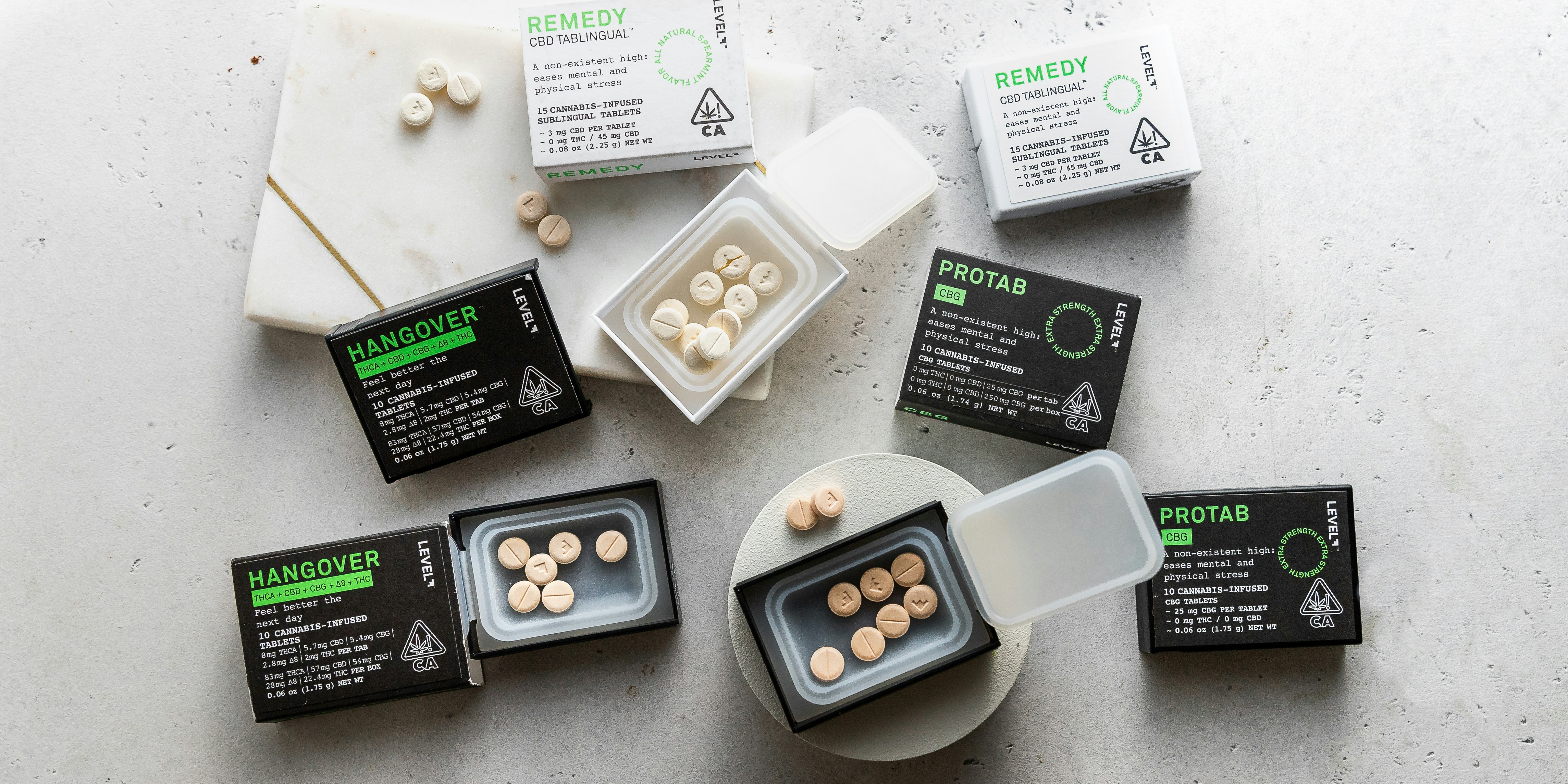
A retail shelf can look like an all-American map: familiar brands, neat rows, bold claims – and, increasingly, products that contain cannabinoids with names most shoppers barely recognize.Among them, THCa has moved from the back-room lexicon of chemists and cultivators into headlines and product labels. For retailers, that shift has turned everyday decisions – what to stock, how to label, how to train staff – into questions that reach far beyond merchandising and into the tangled thicket of federal and state law.
This article takes a steady, pragmatic look at that thicket. It explains what THCa is and why its chemistry matters for compliance; it outlines the regulatory pressures coming from agencies such as the DEA alongside the patchwork of state rules; and it maps the practical risks retailers face around testing, labeling, supply-chain documentation and interstate sales. The goal is not to prescribe legal answers but to illuminate the terrain so retailers can make informed business choices as the law and science continue to evolve.
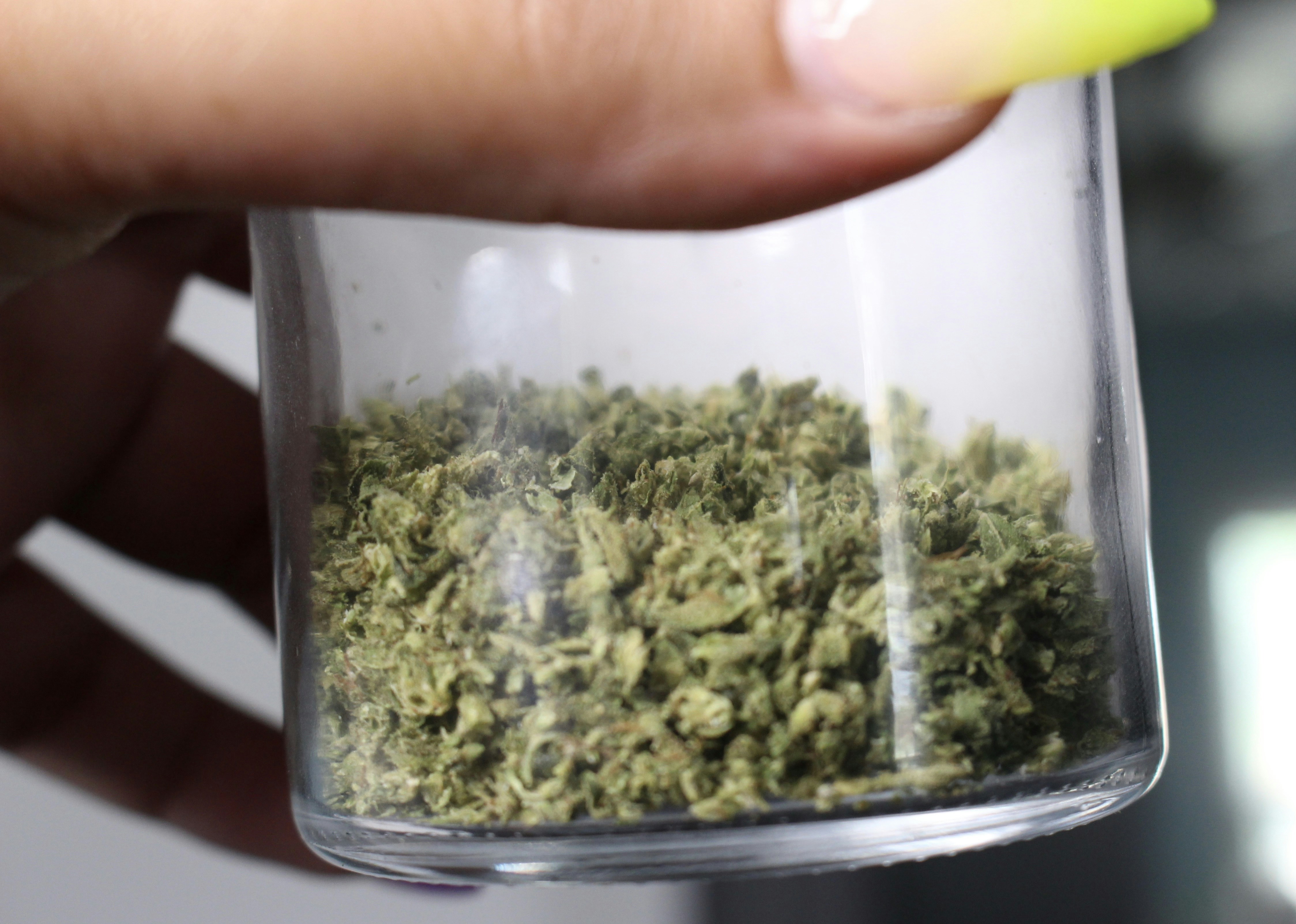
How the DEA Views THCa Recent Guidance Trends and Enforcement Signals
The Drug Enforcement Governance has been watching THCa closely, treating it less as a settled commodity and more as a puzzle of chemistry and intent. What matters to investigators is whether a product is functionally equivalent to a controlled substance – not just how it’s labeled. that means lab numbers, conversion potential to delta‑9 THC, and the seller’s apparent purpose can carry as much weight as the molecular name printed on a jar.
In recent months federal signals have shifted from blanket pronouncements to targeted inquiries, and enforcement tends to follow patterns. Watch for these recurring indicators:
- Discrepancies between COA results and on‑label THC claims
- Marketing that emphasizes intoxication, dosing, or psychoactive effects
- Movement of products across state lines where statutes conflict
- Large inventory volumes or distribution networks that suggest intent to evade regulation
For retailers the practical takeaway is documentation and prudence: maintain up‑to‑date Certificates of Analysis, avoid language that suggests recreational intoxication, track chain of custody, and consult counsel when products test near legal thresholds. Proactive openness reduces ambiguity and can turn a regulatory red flag into a defensible business record.
| enforcement Signal | Retailer Response |
|---|---|
| Conflicting lab reports | Use accredited labs & archive COAs |
| Intoxicating marketing | Remove suggestive copy and imagery |
| Interstate shipments | Limit cross‑border distribution or get legal review |

Testing Protocols and Chain of Custody Practical Steps to Prove Compliance
Think of compliance as a forensic trail: every sample, signature and sticker tells the story that keeps your shelves open. Start by standardizing how raw hemp and finished products are sampled – size of the sample, sampling points across batches, and environmental controls during collection. Make sure a pre-printed chain-of-custody form travels with the material and is signed at every handoff; gaps here are the fastest route from defensible compliance to costly ambiguity.
Maintain a tight, visible chain from harvest to lab with a simple checklist that everyone can follow.Key items to capture include:
- Unique sample ID – barcode or QR to prevent mix-ups
- Date/time stamps – collection, shipment, and receipt
- Collector and courier signatures – handwritten plus digital where possible
- Preservation notes – temperature, packaging, and any preservatives used
- Intended tests – THC potency, THCa, contaminants
| Item | Retention | Required Document |
|---|---|---|
| primary sample | 90 days | Chain-of-custody + CoA |
| Split sample | 30 days | Split-sample release form |
| Finished product lot | 2 years | Batch records + CoA |
Choose ISO 17025-accredited labs and insist on methods that report both Δ9-THC and THCa. Remember the practical conversion: total THC is calculated as Δ9-THC + 0.877 × THCa – a small coefficient with big legal consequences when you’re near the regulatory threshold. If results approach or exceed limits, have a documented escalation path: immediate quarantine, confirmatory retest (split-sample), and decision rules for disposal, remediation, or voluntary recall. keep CoAs indexed, timestamped and machine-readable so internal audits and outside inspections check the boxes without drama. Solid records, clear procedures and predictable responses are what turn regulatory risk into repeatable practice.
the Conclusion
As the regulatory landscape around thca, hemp and DEA enforcement continues to shift, retailers find themselves steering between possibility and uncertainty. Like reading a weather map while at sea, success depends less on predicting every gust and more on preparing the vessel: reliable testing, clear documentation, consistent supply-chain practices, and an informed understanding of both federal and state rules.
There is no single chart that fits every store or product. Stay current with guidance from regulators, consult counsel before making material changes, and engage with industry peers and labs to refine compliance practices. With careful navigation-measured risk management, transparent labeling, and a readiness to adapt-retailers can position themselves to serve customers responsibly while responding to whatever the next regulatory tide brings.