


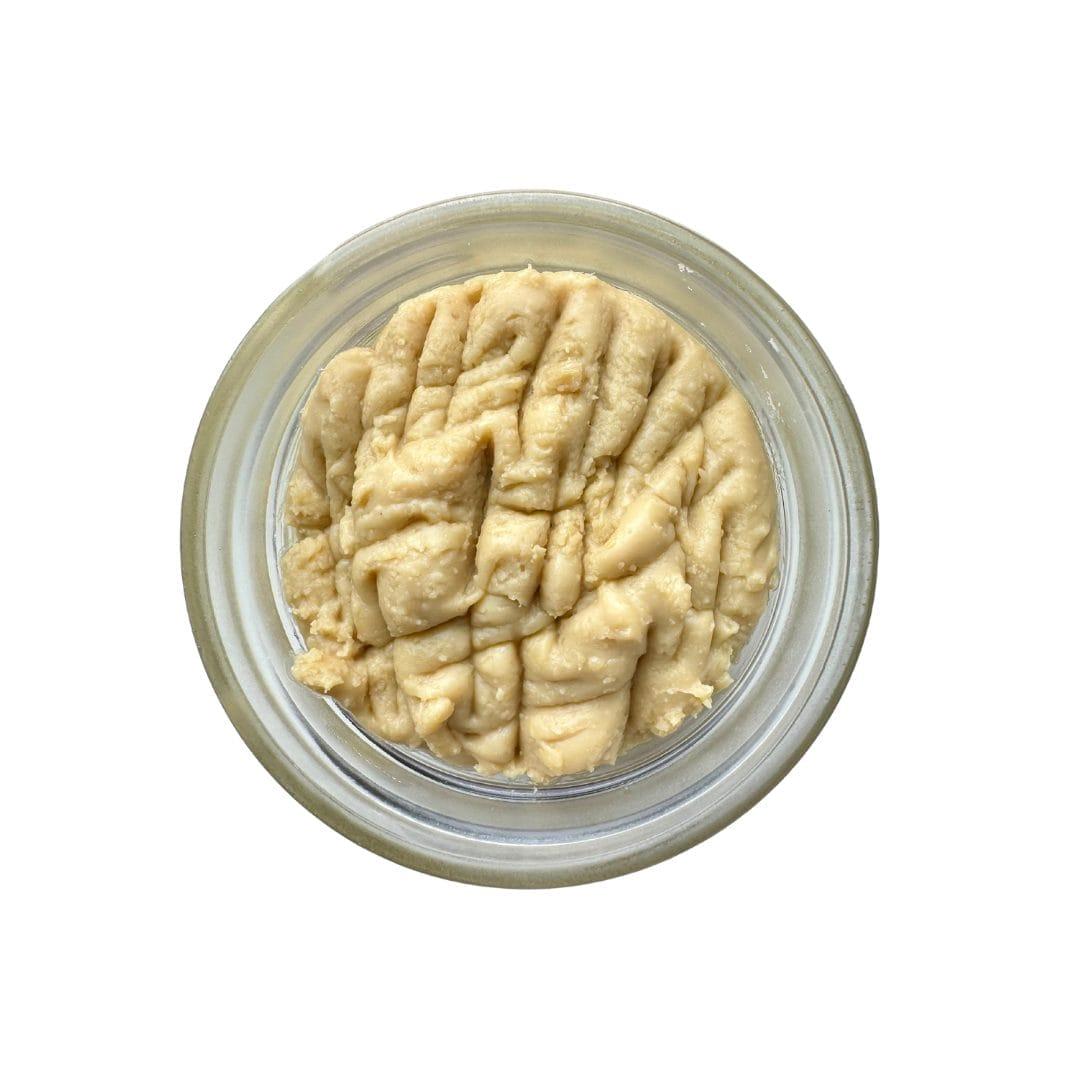
Like a patchwork quilt stitched from different laws, cultures and consumer tastes, the U.S. THCA market reveals sharp contrasts when viewed state by state. Tetrahydrocannabinolic acid (THCA) – the non‑psychoactive precursor to THC found in raw cannabis plants and many concentrated products - has moved from the margins of laboratory notebooks into retail catalogs and regulatory debates. Yet beneath headlines about legalization and innovation lies a more granular story: how price, potency, supply and policy combine to shape everyday market outcomes across individual states and, when averaged, across the nation.
This analysis takes that story on two scales. First, it maps regional differences in THCA availability, pricing and product mix to show where markets run hot or cool.Then it situates those local patterns against a calculated national average, offering a clear reference point for comparison. Factors such as state regulatory frameworks,tax structures,cultivation capacity,lab testing practices and consumer preferences are examined to explain why some states diverge from the national mean.
Neutral in tone but detailed in approach, the article synthesizes recent sales, lab and regulatory data to highlight trends that matter to policymakers, businesses, analysts and informed consumers. Read on for a visual and statistical tour of the state-by-state THCA landscape, and for the key takeaways that emerge when individual markets are folded into a single national picture.
State by State THCA price Variations and Underlying Market Drivers
Across the map, prices for THCA carve a patchwork that reflects more than raw supply and demand-each state’s history with cannabis policy, cultivation capacity, and retail infrastructure paints a different portrait. Coastal hubs often show tighter spreads and lower per‑gram averages due to higher competition and established cultivation networks, while inland or newly regulated markets can present premium pricing driven by limited licensed capacity. The result is a national average that smooths out dramatic local highs and lows but masks the nuanced story playing out at dispensary counters and grow rooms.
Several clear forces consistently shape these regional differences. Regulatory framework sets the baseline-states with robust licensing and clear supply chains generally see more stable, lower prices. Taxation and compliance costs translate directly into retail markup. Growing infrastructure (indoor vs. outdoor, scale of craft vs. canopy producers) influences production costs.Additional dynamics include cross‑border availability and consumer preferences for high‑potency isolates versus whole‑plant products.
- Regulation: licensing speed and scope
- Taxes: excise, sales, and local fees
- Supply: canopy size and extraction capacity
- demand: medical vs. adult‑use consumption patterns
Below is a concise snapshot showing how a handful of states diverge in price and the dominant market driver. Use this as a quick reference for how local conditions map to consumer cost structures.
| State | Avg $/g (THCA) | Principal Driver |
|---|---|---|
| California | $4.50 | High supply & competitive retail |
| Colorado | $4.20 | Established craft producers |
| Florida | $6.10 | Medical demand surge, regulatory lag |
| New York | $5.80 | High taxes + nascent adult‑use rollout |
| Texas | $7.00 | Limited legal framework,fragmented supply |
Supply Chain Dynamics by Region and Strategic Inventory Recommendations
Regional supply chains for THCA products move to the beat of very different drums – the West favors large,vertically integrated operations with predictable harvest cycles and robust cold-chain options,while the Northeast and parts of the West Coast still wrestle with sudden regulatory pivots and lab-backlog-induced delays.In emerging markets the cadence is jagged: limited licensed cultivation capacity, slow testing turnarounds, and frequent packaging rework create ripple effects that reach retail shelves. Where interstate transport is restricted, fragmentation drives local price dispersion and rapid inventory obsolescence, especially for high-THCA flower and raw biomass.
Practical inventory strategy must accept these realities and build resilience. Treat inventory as both a buffer and a signal: keep lean SKUs for fast-moving products, hold conservative safety stock for high-variability states, and enforce strict lot-level traceability so quality drifts are caught early. Consider the following tactical moves to stabilize flows:
- SKU rationalization: reduce low-velocity SKUs to shorten replenishment cycles.
- Layered safety stock: combine fixed safety buffers with forecast-driven top-ups tied to lab turnaround times.
- Cold-chain for biomass: prioritize refrigerated storage for peak-potency lots to delay decarboxylation and preserve value.
- Distributed fulfillment: place micro-inventory near regulatory hubs to absorb state-by-state demand shocks.
| Region | Typical Lead Time | Suggested Safety Stock | Key Constraint |
|---|---|---|---|
| West | 7-14 days | 10-15% | Harvest season swings |
| Northeast | 14-28 days | 20-30% | Regulatory/test delays |
| Midwest | 10-21 days | 15-25% | Limited cultivation scale |
| south / Restricted | Variable | 30%+ | Market fragmentation |
Long-term resilience depends on blending analytics with partnerships: develop scenario-based forecasts keyed to legislative calendars, negotiate flexible forward contracts with trusted growers to secure priority harvest slots, and co-invest in shared cold-storage hubs where feasible. Regularly review lot-level performance metrics and the cost of carry versus stockout penalties – in a constrained, state-by-state market, inventory is a strategic lever that can stabilize margins or magnify risk depending on how tightly it is managed.
Final Thoughts
As the map of the THCA market comes into sharper focus, one thing is clear: the national average is only one brushstroke in a much larger mural. State-by-state differences – driven by regulation, supply chains, consumer preferences and testing standards - create a textured landscape where averages smooth over important local detail. Reading the national number without the local context is like admiring the continent from space while missing the contours of its valleys and rivers.
For industry participants and policymakers, that means nuance matters. Growers and retailers will find opportunity where regulation and demand intersect; regulators and labs will shape market reliability through standards and transparency; consumers will benefit from clearer labeling and consistent testing. At the same time, the market remains dynamic – legal shifts, technological advances in testing and processing, and evolving consumer tastes can redraw state lines in short order.
Ultimately, a state-by-state viewpoint doesn’t just illuminate differences – it suggests where the next changes might occur. Treat the national average as a starting point, not a verdict. Continual local analysis, careful compliance monitoring, and open data sharing will be the best tools for navigating this evolving market mosaic.
Keep watching the data, and let regional detail guide your next move.
