


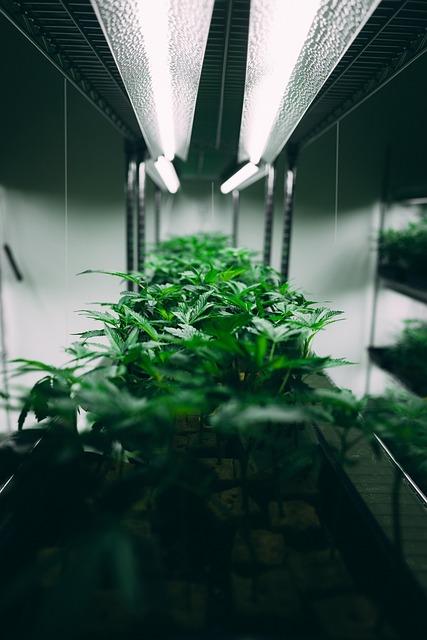
Think of the cannabis plant as a quiet orchestra tuning up: a forest of potential notes waiting for a conductor’s cue. In that prelude are compounds like THCA and THC – closely related chemical siblings that, under different conditions, produce very different sounds. One remains subdued and unperformed until heat or time signals it to change; the other steps into the spotlight and shapes the audience’s experience.
THCA (tetrahydrocannabinolic acid) is the molecule most abundant in fresh, unheated cannabis. Chemically distinct yet closely linked to THC (delta-9-tetrahydrocannabinol),THCA itself does not typically produce the characteristic intoxicating “high” associated wiht smoked or vaporized cannabis. THC, formed when THCA loses a carboxyl group through heat or aging, is the compound most frequently enough credited with altered perception, euphoria, and the sensory shifts people commonly describe.
How each compound “feels” is less a simple contrast than a spectrum: the raw calm of THCA versus the varied, dose- and context-dependent sensations of THC. Personal biology, the way a product is consumed, and the presence of other cannabinoids and terpenes all colour the experience.this article will unpack those distinctions – separating chemistry from sensation, anecdote from evidence – and guide readers through what to expect when encountering each compound in real-world settings.
The THC Experience: Psychoactive Intensity, Emotional Shifts, and Duration
When THC takes hold it often announces itself like a tidal change in perception – sharper colors, altered time, and a loosening of ordinary filters. The intensity ranges from a light, mood-lifting buoyancy to a thick, all-encompassing high that colors thought and sensation. variables such as dose, tolerance, terpene profile, and setting push the dial between a gentle nudge and a full-bodied psychoactive wave. Expect the mind to feel more associative, sensory details to stand out, and physical relaxation to follow if body-focused cannabinoids and terpenes are present.
Emotional shifts can be as subtle as a soft grin or as dramatic as sudden introspection.Manny people report a lift in creativity and social ease, while others may slide into anxious loops if the dose is too high or the environment is stressful. Typical emotional states include:
- Euphoria – a sense of lightness and uplifted mood
- Serenity – calm, slowed mental chatter, bodily ease
- Heightened curiosity – greater interest in textures, music, and ideas
- Transient anxiety – occasional racing thoughts or paranoia at higher doses
Timing matters: inhaled THC usually arrives within minutes and peaks quickly, while oral forms build slowly and can surprise hours later. The arc of a typical inhaled dose is sharp and concentrated; edibles are longer, more even, and often stronger in the body. Come-downs are generally gradual, though lingering cognitive dullness or sleepiness can persist after heavier doses.
| Method | Onset | Peak | Total Duration |
|---|---|---|---|
| Inhalation (vape/joint) | 1-5 minutes | 15-45 minutes | 2-4 hours |
| edibles | 30-120 minutes | 2-4 hours | 6-12+ hours |
| Sublingual/Tincture | 15-45 minutes | 1-3 hours | 3-6 hours |

Side by Side Comparison of Cognitive, Physical, and Mood Differences
when you trace the mental contours of each compound, the contrast is striking. THCA is frequently enough described as mentally clear-users report intact short-term memory, steady attention, and minimal perceptual shifts, especially at low-to-moderate doses. In contrast, THC tends to warp sensory processing and time perception, producing the classic “mind-bend” that can foster creativity for some and cognitive cloudiness for others. Dose,tolerance,and individual neurochemistry determine how pronounced these effects become.
Physically, the two compounds paint different landscapes. THCA usually delivers subtle bodily changes-mild relaxation and anti-inflammatory relief without heavy sedation-whereas THC often produces a more immersive body-high characterized by muscle relaxation, altered motor coordination, and stronger analgesia. Common sensations include:
- THCA: light easing, reduced stiffness, minimal motor impact
- THC: deep relaxation, slower reflexes, pronounced pain dampening
Mood shifts also diverge. THCA tends to be gently stabilizing-some users note reduced irritability and a quiet uplift without intense euphoria. THC, on the other hand, is more mood-amplifying: it can create laughter, bliss, and sociability but also increase anxiety or paranoia in sensitive individuals or at high doses. Context matters: environment, mindset, and whether the compound is consumed raw, decarboxylated, or combined with CBD will all flavor the emotional outcome.
| Aspect | THCA | THC |
|---|---|---|
| Cognitive | Clear, focused | Altered, creative or cloudy |
| Physical | Subtle relief, light | Strong body-high, sedating |
| Mood | Stable, mild uplift | Euphoric or anxious (dose-dependent) |

Delivery Methods and Rituals: How Consumption Changes the Way Each Compound Feels
The way you consume a cannabinoid is almost as important as the molecule itself. Heat, time and the tiny rituals around consumption determine whether you experience the raw, plant‑fresh clarity of THCA or the warmed, psychoactive sweep of THC. A rolled joint, a slow‑sipped tea, a precise sublingual dose – each ritual primes expectations, breath and pacing, subtly shaping perception before the chemistry even takes hold. In short, ritual and method choreograph how the body and mind register the compound.
Different delivery routes map to very different experiences. Try to imagine the method first, then the compound: the scene often matters more than the label. Common patterns include:
- Raw/juiced – THCA stays intact: refreshing, non‑intoxicating, clarity and mild somatic ease.
- Smoking/vaping – rapid onset; heat converts THCA to THC, producing a fast, noticeable headspace and short peak.
- Edibles – slow, digestive conversion leads to a gradual, body‑forward intensity that lasts longest.
- Sublingual tinctures – intermediate onset with smoother transitions; can feel balanced and controllable.
- Topicals – localized relief without systemic psychoactivity when THCA is left unheated.
A compact snapshot helps clarify the differences. Below is a quick reference comparing typical onset, dominant sensation and duration for THCA vs THC across a few routes:
| Method | THCA (raw) | THC (activated) |
|---|---|---|
| Juice / Raw | Quick, light clarity; non‑intoxicating | Not applicable unless heated |
| Vape / Smoke | Converted by heat – minimal as THCA | Immediate onset, cerebral peak ~15-30 min |
| Edible | Rare in raw form; mild if present | Slow onset, full‑bodied, long duration (4-8+ hrs) |
| sublingual | Subtle, gentle onset | Faster than edibles, smoother than smoking |
remember the psychology of ritual: measured dosing, agreeable setting and familiar routines soften edges and make sensations easier to interpret. Whether you’re chasing the bright sobriety of THCA juice or the deep unfold of THC edibles, the how – and the ceremony around it – colors the experience as much as the chemistry itself.
To Conclude
Whether you’re tracing the quiet outline of THCA or riding the warmer, more unmistakable tide of THC, the differences come down to chemistry meeting context: how the molecule has been treated, how your body responds, and the setting in which you consume it. THCA tends to read as a whisper on the page – present in the plant, less overtly psychoactive, and still under active scientific study – while THC is the ink that rearranges the sentence, producing the familiar psychoactive effects people describe as “feeling” cannabis.
Neither compound exists in isolation from individual biology, dose, or environment, and neither replaces good information: laws, testing, dosing, and medical guidance matter. As research continues to illuminate subtle distinctions, approach both with curiosity, caution, and respect for the science still unfolding. understanding how each compound feels is less about choosing one word over the other and more about learning the language they create together.

