


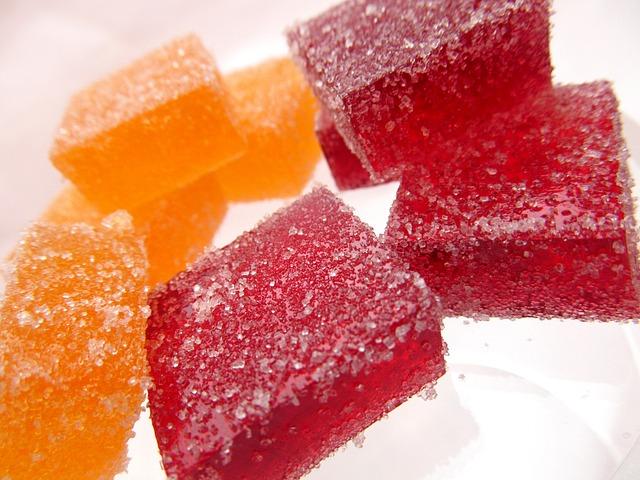
Picture a small, brightly colored gummy that promises all the botanical benefits of hemp without the buzz – a tidy treat labeled “THCA,” touted as containing no THC. Whether you’re curious, cautious, or comparison-shopping, the reality behind those labels is more nuanced than the packaging. THCA (tetrahydrocannabinolic acid) is the non-intoxicating precursor to THC that naturally occurs in raw cannabis and hemp; when it’s heated or metabolized, it can convert into psychoactive THC. That chemical caveat, plus differences in manufacturing, testing, and regulation, means a gummy’s sticker doesn’t tell the whole story.
This article unpacks what “no THC” usually means on THCA gummies, why independent lab results (COAs) are essential for verifying potency and safety, and how prices are set across brands and formulations. Expect clear explanations of testing terms, practical tips for reading lab reports, and a straightforward price guide so you can judge value without getting lost in jargon. No hype – just the facts you need to decide whether THCA gummies fit your needs.
Understanding THCA Gummies and Why They Contain No Psychoactive THC
THCA is the cannabinoid that lives in fresh cannabis and hemp-the raw, acidic precursor to THC. In its natural form it carries an extra carboxyl group that blocks the molecular fit required to activate the brain’s CB1 receptors, so it does not produce the “high” associated with delta‑9 THC. Only when that acid group is removed through heat or prolonged aging (a chemical process called decarboxylation) does THCA convert into psychoactive THC. Because gummies are formulated and processed to avoid that conversion, they deliver the raw cannabinoid experience without intoxication.
Manufacturers aiming for non‑intoxicating edibles focus on preserving the acid form and proving it with testing.Gentle extraction methods, low‑temperature infusion, and sealed packaging all limit conversion. Independent labs provide Certificates of Analysis (COAs) that show both THCA and delta‑9 THC levels so consumers can verify potency and legality. Below are the common safeguards used by reputable brands:
- Low‑heat processing: avoids converting THCA into THC during infusion.
- Third‑party COAs: confirm measured delta‑9 THC remains below legal thresholds.
- Accurate labeling: separates THCA content from active THC values.
- Storage & packaging: controls light and temperature to prevent slow conversion over time.
Reading a lab snapshot helps decode what you’re buying. The swift table below shows a simple, realistic example of results you might see on a COA for a THCA gummy batch:
| Component | Measured % | psychoactive? |
|---|---|---|
| THCA | 18.5% | No (until heated) |
| Delta‑9 THC | 0.03% | Yes (trace) |
| Total potential THC* | 16.2% (calc.) | Depends on heating |
*Total potential THC is an estimate of what THCA could become if fully decarboxylated; it doesn’t reflect the product’s immediate psychoactivity.Always check COAs and retailer processing notes to ensure the gummies meet your expectations for effects and legality.

Interpreting Lab Results With Confidence: Cannabinoid Profiles, potency and Contaminant Reports
Think of a lab report as a map: the cannabinoid panel traces the active terrain while the contaminants report flags hazards. Look first for the split between THCA and Δ9‑THC – THCA is non-psychoactive until heated, and labs often provide a calculated “potential THC” using a conversion factor (THCA × 0.877).Also check whether potency is reported as mg per gummy or as a percentage; mg-per-serving tells you exactly what each chew delivers, while percentage is useful for comparing raw material strength. Don’t skip the COA metadata: batch ID, test date and the lab’s accreditation are as importent as the numbers themselves.
When you open a certificate of analysis, scan for these essentials:
- Cannabinoid profile – THCA, CBD, Δ9‑THC and total cannabinoids (mg/g or mg/serving)
- Potency units – consistency between % and mg/serving; serving size defined
- Contaminant screens – pesticides, heavy metals, solvents, microbial limits and mycotoxins
- Limits of quantitation (LOQ) – “ND” means non‑detect at the lab’s stated LOQ
- lab info – accreditation, method references, and sample chain of custody
| Analyte | Result (per gummy) | Quick take |
|---|---|---|
| THCA | 10 mg | Potential THC if heated ≈ 8.77 mg |
| Δ9‑THC | < LOQ | Marketed as no active THC; confirm LOQ value |
| Total cannabinoids | 11 mg | Sum of measured cannabinoids per serving |
| Pesticides / Metals / Solvents | ND | Below lab detection limits – cross‑check methods |
Read ND (non‑detect) alongside the LOQ: a non‑detect is not an absolute zero, it means the lab couldn’t quantify above its threshold. Remember that if you heat or bake a THCA gummy,its THCA can convert to active THC – so a product labeled “no THC” can still produce THC after decarboxylation. regulatory cutoffs differ by jurisdiction, so use the COA numbers plus local rules to decide whether a specific gummy meets your safety and compliance expectations.

Safe Dosing and Usage Recommendations Based on Potency, Tolerance and desired Effects
Read the lab report first – potency on the label can vary widely between brands, so always check the COA (Certificate of Analysis) for actual THCA amounts and contaminants before you dose. For moast edible-style THCA gummies the active amount is expressed as milligrams per piece; inexperienced users benefit from starting at the low end of the range. Adopt a “start low, go slow” mindset: try a conservative initial dose and track effects for a full dosing window before increasing.
| Potency per gummy | Starter dose | Titration | Typical target effect |
|---|---|---|---|
| ≤ 5 mg | 2.5-5 mg | Increase by 2.5 mg every 3-4 days | Microdosing, daytime relief |
| 6-15 mg | 5-10 mg | Increase by 5 mg weekly | Moderate therapeutic effect, mild relaxation |
| > 15 mg | 10-15 mg | Increase cautiously; reassess after 48-72 hrs | Strong therapeutic or overnight support |
Consider tolerance and timing. If you rarely use cannabinoids, treat yourself as a low-tolerance user; habitual users may need higher amounts to feel the same effects. Oral onset is generally slower than inhalation – expect 30-90 minutes to begin and up to 6-12 hours of residual benefit. Practical tips: take gummies with a light snack for steadier absorption, avoid mixing with alcohol or sedatives, and keep a short log of dose, time, and effects so you can fine-tune safely.
- Safety checks: consult a healthcare provider if you take prescription medications (especially blood thinners), are pregnant or nursing, or have a serious medical condition.
- Wait before adjusting: allow at least 48-72 hours after a dose change to fully evaluate its impact.
- storage: keep gummies in a cool, dark place and out of reach of children and pets.
Price Guide and Value comparison: Cost Per Milligram, Serving Sizes and Smart Buying Tips
When you’re shopping for THCA gummies, the clearest way to compare value is to work out the cost per milligram. Divide the package price by the total milligrams of THCA (pack price ÷ total mg = cost per mg). This cuts through clever packaging and lets you compare apples to apples. Below is a quick snapshot of typical market examples so you can see how the math plays out.
| Product | Pack | Total THCA (mg) | Price | Cost per mg |
|---|---|---|---|---|
| Green Ridge Gummies | 20 × 5 mg | 100 | $24 | $0.24 |
| Pure Spectrum | 30 × 10 mg | 300 | $72 | $0.24 |
| Amber Labs | 15 × 15 mg | 225 | $68 | $0.30 |
Serving sizes change the practical value: a low cost per mg doesn’t help if each serving contains far more or far less than you actually need. Look for the mg per serving on the label and on the Certificate of Analysis (COA) – that tells you how many milligrams you’ll get per gummy and how many servings are in the jar. To simplify shopping decisions,think in terms of weekly cost based on your usual serving (e.g., two 5 mg gummies per day) rather than the sticker price alone.
Smart buying tips:
- Check third‑party lab results (COAs) for potency and purity before buying – they confirm the advertised THCA and absences like heavy metals.
- Compare cost per mg across similar potency ranges, not just price per jar – potency skews value more than package count.
- Factor in serving convenience (smaller, accurately dosed gummies can reduce waste and dosing guesswork).
- Watch for promotions but do the math: bulk discounts can be a bargain only if the product quality and COAs check out.
- Consider return/shipping policies and freshness – refunds and sealed packaging protect your purchase against mislabeled or degraded goods.
In Conclusion
Think of THCA gummies as a quiet harbor: they sit non-intoxicating and stable in the jar, but the waters can change if heat or time stir things up. The takeaway is simple and practical – THCA itself won’t get you high, but conversion to THC is possible under the right conditions, and only obvious lab results can tell you exactly what’s inside each gummy.
When shopping, treat third-party lab reports as your map.look for cannabinoid breakdowns (THCA vs. THC), potency per piece, and safety screens for pesticides, heavy metals, solvents and microbes. Price should reflect concentration, testing rigor and production quality more than branding. A low sticker price can be tempting, but it’s the mg-per-serving and clean lab data that show real value.
Dose cautiously, store gummies in a cool, dark place, and remember laws and regulations vary by region. If you have health concerns or take other medications, consult a healthcare professional before trying THCA products.
In short: read the lab results, weigh cost against verified potency and safety, start small, and keep them stored safely. With those steps, you’ll navigate the THCA gummy landscape with the clarity of someone who knows how to read both the map and the weather.

