


Like frost on a green leaf, THCA (tetrahydrocannabinolic acid) sits quietly in the flowering cannabis plant – a precursor with a long shadow cast by its better-known relative, THC. It doesn’t produce the familiar high when consumed raw,yet its subtle chemistry and growing presence in wellness conversations have made it one of the most intriguing compounds in cannabis science. from laboratory benches to boutique dispensaries, researchers and consumers alike are asking: what is THCA really, and what might it offer?
This article, “THCA Uncovered: Uses, Research, and Potential Benefits,” maps the current landscape. we’ll look at how THCA differs from THC chemically and legally, why itS non-intoxicating until heated, and the ways it’s being used today – from raw cannabis preparations to emerging product formulations. We will also review the state of the science: what animal and cell studies suggest about its biological activity, where human research is lacking, and which therapeutic avenues warrant cautious optimism.we’ll outline regulatory nuances and safety considerations that anyone exploring THCA shoudl know.
Neutral in tone but curious in spirit,this introduction prepares you to separate fact from hype and to understand the promise – and limits – of THCA as a subject of ongoing research and public interest.
From Molecule to Mechanism: How THCA Differs from THC and Interacts with the Endocannabinoid System
At the molecular level, the difference is deceptively small but functionally huge: THCA carries a carboxyl group (-COOH) that makes it the acidic precursor of THC. That extra moiety increases polarity and reduces lipophilicity, so THCA behaves differently in biological membranes and doesn’t cross the blood-brain barrier as readily. When exposed to heat, light, or prolonged storage, the molecule loses that carboxyl group through decarboxylation and becomes THC – a transformation more chemical than mystical, but pivotal to psychoactivity. Chemically,think of THCA as a shelved version of THC,biologically active in its own right but with a different set of interactions.
Instead of slotting neatly into the classical CB1/CB2 orthosteric binding sites the way THC does, THCA seems to work more like a backstage influencer. Animal and cell studies suggest low direct affinity for cannabinoid receptors but show modulation of the endocannabinoid system through alternative routes: affecting ion channels (like TRP family members), engaging nuclear receptors such as PPARs, and influencing inflammatory signaling cascades. In short, THCA may tune endocannabinoid tone indirectly – altering enzymatic activity, receptor responsiveness, and downstream immune signals rather than driving a strong orthosteric receptor response.
Those molecular mechanics translate into distinct physiological footprints. As it’s largely non-psychoactive and less brain-penetrant,THCA is being explored for peripheral roles – anti-inflammatory,antiemetic,and neuroprotective effects among them – frequently enough in tandem with other cannabis constituents in an “entourage” context. Below are rapid takeaways and a compact comparison to highlight practical differences:
- Non-psychoactive by default: carboxylation blocks the classic THC high.
- Indirect ECS modulation: works through channels, nuclear receptors, and enzyme pathways more than direct CB1 activation.
- prodrug potential: can convert into THC under heat – significant for formulation and use.
| Feature | THCA | THC |
|---|---|---|
| Psychoactivity | Minimal/none | Pronounced |
| Receptor interaction | Indirect/modulatory | Direct CB1/CB2 agonist |
| Conversion | Decarboxylates to THC | Stable active form |
| Therapeutic niche | Peripheral, anti-inflammatory, neuroprotective potential | Analgesia, psychoactive therapeutics |

Practical Guidance on Use: Formulations,Administration Methods,suggested Dosing Approaches,and monitoring
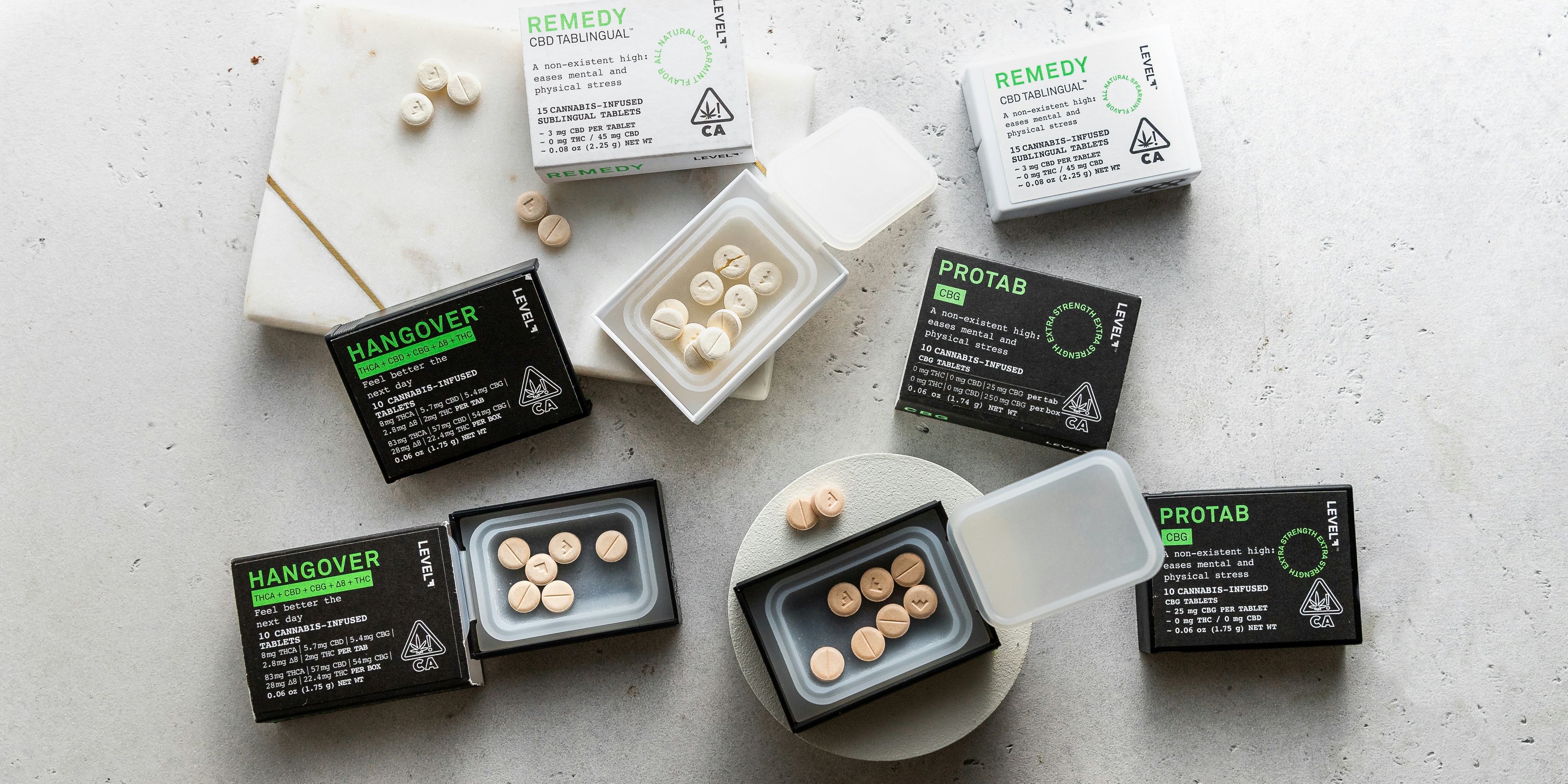
Think of THCA as a fragile ingredient: useful in many recipes but sensitive to heat. Common formulations include tinctures and oils (for sublingual or oral use), capsules (consistent dosing), raw flower or crystalline isolates (precise dosing for experienced users), inhalable vapor from raw material (avoids combustion but requires low-temperature devices), and topicals (localized application). Sublingual and oral oil/tincture preparations offer steady absorption and are easiest to titrate; topicals bypass systemic exposure, and raw/crystalline forms are preferred when the goal is to minimize conversion to THC.
Start low, go slow is the most reliable rule of thumb for dosing. While there is no universally accepted dose, anecdotal and preliminary practice patterns can guide beginners and clinicians:
- Microdose: 1-3 mg once daily – useful for vrey sensitive users or initial trials.
- Low maintenance: 5-10 mg split across the day – common starting point for everyday symptom management.
- Titration: increase by 10-20% every 3-7 days until desired effect or mild, tolerable side effects appear.
For combination regimens, pairing THCA with CBD is often used to harness different mechanisms without increasing psychoactivity. always note that heating or smoking may convert THCA to THC, so dosing expectations must change if a product will be exposed to heat.
Monitoring should be structured and simple: keep a short symptom-and-side-effect diary, note timing and dose, and rate effects on a 0-10 scale. Watch especially for changes in mood,appetite,cognition,GI symptoms,or sleep,and document any interactions with prescription medications – many cannabinoids interact with CYP450 enzymes.For long-term or higher-dose use consider baseline and periodic liver-function tests and involve a clinician if you take anticoagulants, anticonvulsants, or other drugs with narrow therapeutic windows. If psychoactive effects appear unexpectedly, check product handling and storage (heat may have caused decarboxylation).
| Formulation | Best for | Practical note |
|---|---|---|
| Tincture / Oil | Steady systemic dosing | Sublingual speeds onset; store cool |
| Topical | Localized relief, minimal systemic exposure | Avoid occlusive heat after application |
| Raw flower / Isolate | precise dosing, research use | Keep away from heat to prevent THC formation |

Translating Research into Practice: Recommendations for Patients, Healthcare Providers, and Future Clinical Trials
Patients should approach THCA as an experimental option: intriguing but not definitive. Before trying any product, have an open conversation with your clinician, disclose all supplements and prescriptions, and prefer third‑party tested vendors to reduce risk of contamination or mislabeling.Start with very low amounts,track effects in a simple journal (symptoms,timing,side effects),and pause use if you experience unexpected dizziness,mood changes,or interactions with other medications.
- Talk: Tell your provider about cannabis or cannabinoid use at every visit.
- Tested products: Choose items with COA (certificate of analysis) from reputable labs.
- Low & slow: Begin with a small dose and increase gradually while monitoring effects.
- Safety first: Avoid use during pregnancy, breastfeeding, or if you have uncontrolled psychiatric illness without medical advice.
Healthcare providers can bridge research and real-world care by documenting patient-reported outcomes, remaining current with emerging studies, and practicing shared decision-making.Consider potential drug interactions (especially with hepatic enzyme substrates), counsel on sourcing and dosing uncertainty, and use structured follow‑up to capture both benefit and harm. When possible, enroll willing patients in registries or pragmatic studies to build evidence faster.
- Ask routinely: Integrate cannabinoid use questions into intake forms.
- Monitor: Use labs or symptom scales where appropriate and report adverse events.
- Document: Record product details (brand, concentration, route) to aid future research.
- Collaborate: Refer to specialists or clinical pharmacologists for complex interactions or comorbidities.
Future trials should prioritize standardization and safety: well‑characterized THCA preparations,clear dosing strategies,placebo control,and meaningful clinical endpoints (symptom scales,function,and biomarkers). Diverse populations, longer follow‑up for safety signals, and pragmatic designs that reflect how people actually use products will make findings more translatable to practice. Open data sharing and pre‑registered protocols will reduce duplication and bias.
| Trial Element | Priority | Rationale |
|---|---|---|
| Product standardization | high | Ensures reproducible dosing and safety |
| Placebo-controlled arms | High | Distinguishes true effects from expectation |
| Real-world cohorts | Medium | Captures long-term safety and varied use patterns |
Collectively, patients, clinicians, and researchers can accelerate meaningful answers: by communicating clearly, prioritizing safety and transparency, and designing studies that reflect everyday use. Small,coordinated steps now will make future recommendations far more reliable and patient-centered.
Concluding remarks
As the last page of THCA’s story for now, what remains is a mix of intriguing possibilities and deliberate restraint.Early lab work and anecdotal reports have peeled back a few layers,revealing potential effects and applications that merit attention – but the science is still unfolding,and careful,well‑controlled research is the lens the field needs next.For readers, that means balancing curiosity with caution: stay informed about new studies, be mindful of legal and safety considerations, and consult qualified professionals before drawing personal conclusions or trying interventions. Whether THCA becomes a cornerstone of future therapies or a stepping stone to other discoveries, its journey highlights how much there still is to learn.
In the meantime, the story of THCA continues to be written – one study, one patient report, and one regulation at a time – with the promise that clearer answers lie ahead.

