



Hidden in the glossy leaves and sticky trichomes of the cannabis plant is a molecule that frequently enough goes unnoticed: THCA. Less famous than its psychoactive cousin THC, tetrahydrocannabinolic acid sits at the biochemical starting line – a raw, living compound that hints at cannabis’s complexity without delivering the familiar high. For curious consumers, patients, and industry watchers, THCA is both a scientific curiosity and a marketplace wildcard.
This article peels back the layers of that mystery. We’ll explain what THCA actually is,how it differs from THC,and why those differences matter for effects,testing,and legality. Along the way we’ll look at what the science suggests about potential benefits and risks-without overstating the evidence-and how varying regulations shape what products make it to shelves.
Choosing wisely means knowing more than a catchy label. In the sections that follow you’ll find practical, neutral guidance on reading lab reports, evaluating product sources, and matching product types to your needs and the law where you live. Whether you’re a skeptical newcomer or a seasoned buyer, THCA decoded will give you the context to make clearer, more confident decisions.
Shopping Smart: Trusted Brands, Red Flags and Questions to Ask Before Buying
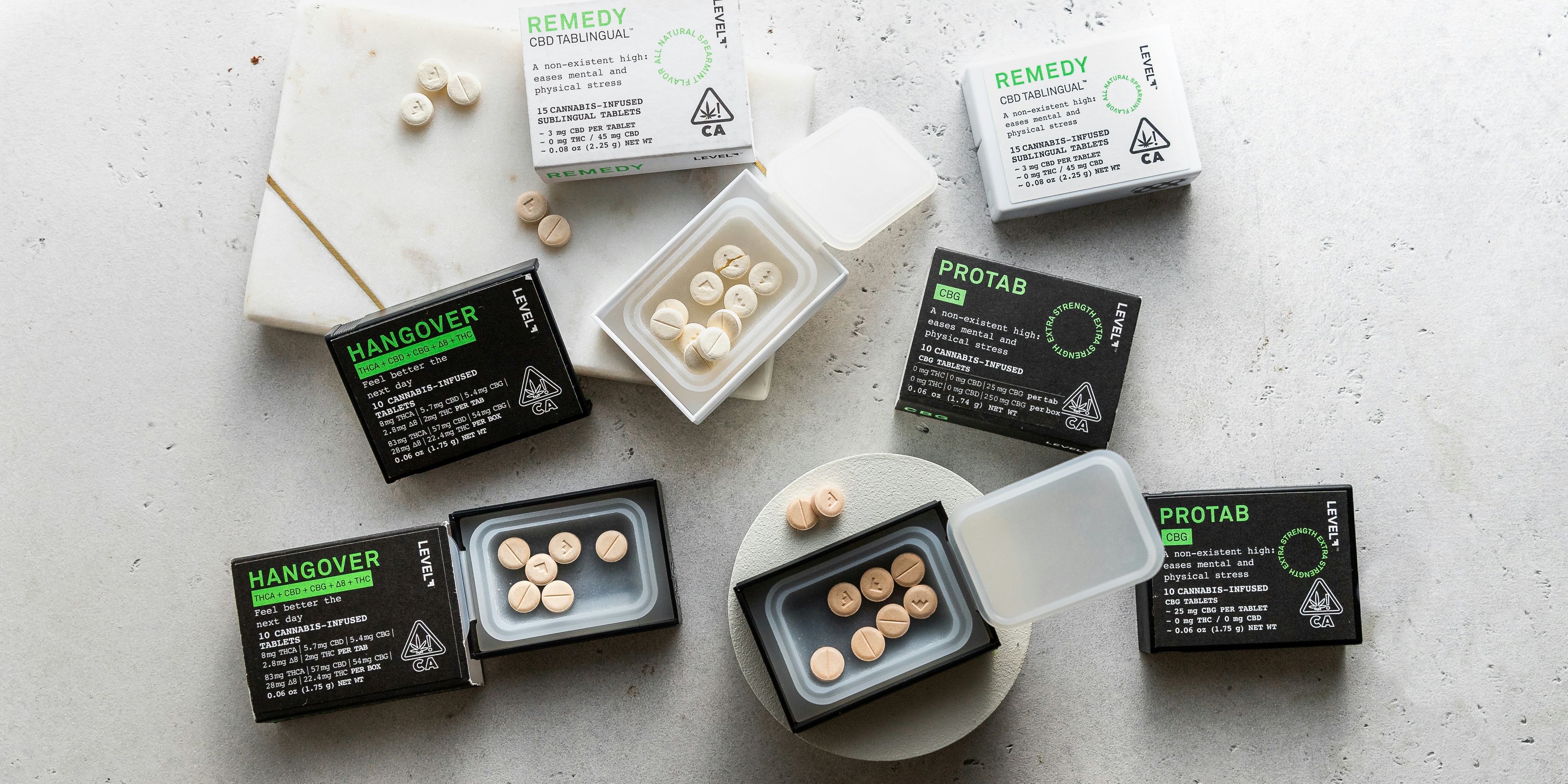
Look for transparency, not hype. Reputable makers of THCA products publish clear Certificates of Analysis (COAs), list extraction and cultivation methods, and make potency easy to verify. Brands that highlight independent lab testing, Good Manufacturing Practice (GMP) compliance, and source traceability-down to the farm or batch number-are more likely to deliver consistent, safe products.pay attention to packaging details: readable ingredient lists, exact THCA content by milligram, and responsible dosing guidance are signs a company understands both the science and the consumer.
- Third‑party COAs available and easy to access
- Clear origin (farm, strain, extraction method)
- Consistent labeling with batch numbers and expiry dates
- Customer service that answers technical questions calmly
Beware of bright packaging, vague promises, or unfeasible claims-these are classic warning signs. Brands that claim THCA is a miracle cure, omit lab reports, or change potency numbers between product pages and labels are red flags. Also be cautious of unusually low prices that seem too good to be true; cheap supply often equates to questionable extraction solvents, contaminants, or diluted formulas. If you can’t find independent reviews, COAs, or clear contact info, pause and research before you buy.
- No COA provided or COA lacks cannabinoid/contaminant panels
- Overly aggressive health claims or “miracle” language
- Inconsistent dosing data across channels
- Unkown or overseas sources with no traceability
Ask questions like a curious scientist: it’s the fastest way to separate reputable sellers from marketers. Request the COA batch number and confirm the lab’s name; ask about solvent use, terpene profiling, and the exact THCA content per serving. If you want a swift shopping checklist, use the table below when comparing products-three checkpoints can save you a lot of uncertainty.
- Who tested this batch? (lab name and date)
- What are the exact cannabinoids? (THCA, THCa→THC potential)
- What other ingredients? (carriers, additives, solvents)
| Quick Check | Why It Matters |
|---|---|
| COA Present | Confirms potency and contaminant testing |
| Clear Dosage | Ensures predictable effects and safety |
| Clear Sourcing | Reduces risk of impurities and mislabeling |
Final Thoughts
Think of THCA as a quiet note in cannabis’s larger composition – intriguing, biologically distinct, and full of potential depending on how it’s played. You’ve seen the science behind the molecule, the ways heat and processing change its character, and the practical signals to look for on labels and lab reports. Armed with that context, choosing a THCA product stops being guesswork and starts becoming a purposeful decision aligned with your needs, legal realities, and safety priorities.
When you buy, prioritize transparency: clear testing, reputable sources, and products whose claims you can verify. Match the product format and potency to your experience level and intended use, and remember the simple rule many clinicians recommend – start low and go slow. If you’re managing health conditions,taking other medications,or unsure about legal status where you live,check with a healthcare professional and local regulations before proceeding.
THCA isn’t a miracle bullet nor is it something to rush into. It’s one element among many in a complex plant, and understanding it helps you make choices that are responsible, informed, and suited to your circumstances. Decode thoughtfully, choose wisely, and let curiosity be guided by caution.

