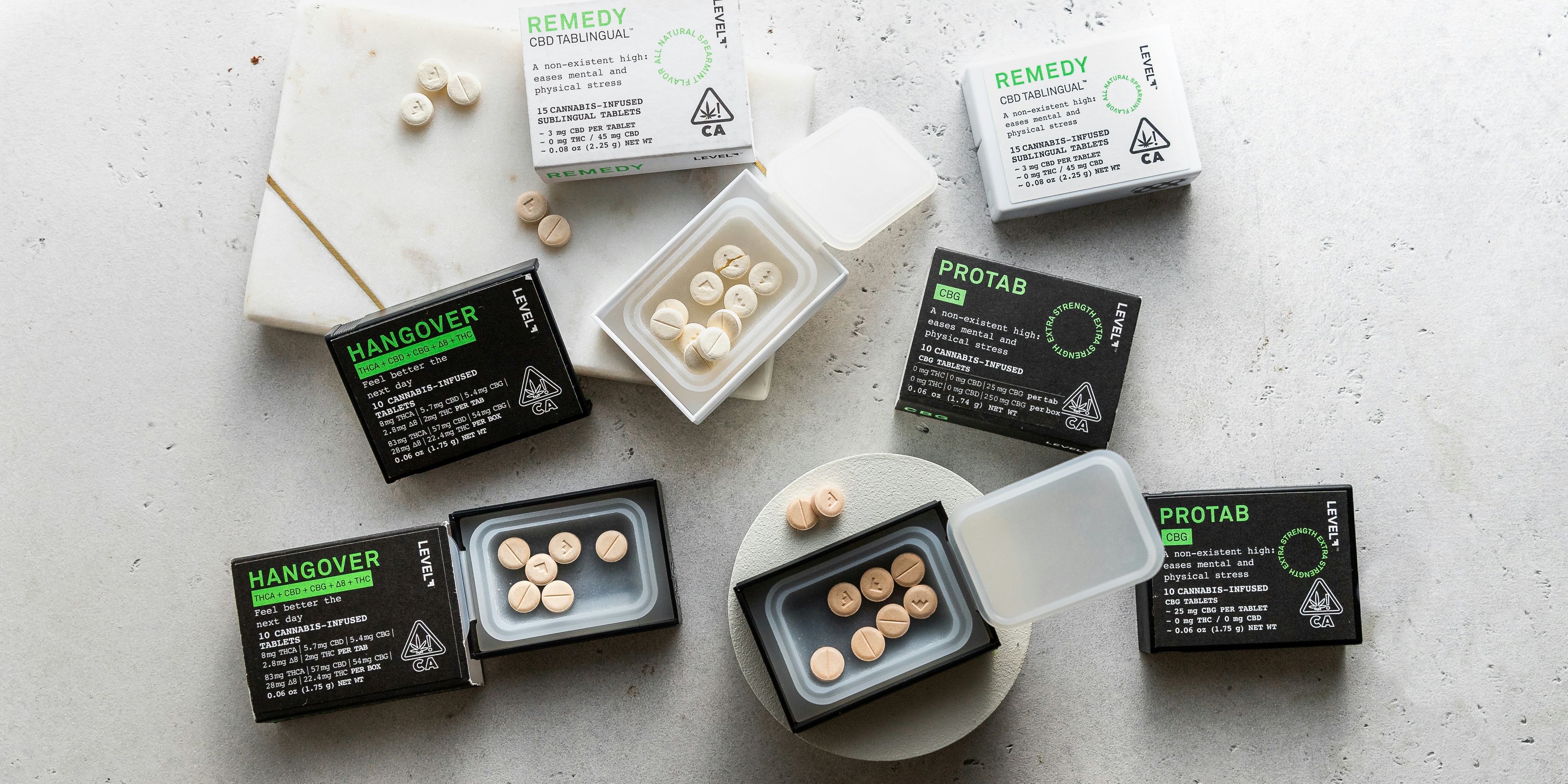
Imagine finding a little-known ingredient at the back of a market stall – affordable, intriguing, and wrapped in a patchwork of rules.That’s the place many shoppers now find themselves when hunting for budget THCA products: items that carry scientific curiosity, legal complexity, and a broad range of prices. Whether you’re a cautious newcomer,a value-minded regular,or simply curious about what’s on offer,knowing how to spot a good deal without cutting corners matters.
THCA-the raw, acidic precursor to THC-sits at the intersection of chemistry and regulation. It’s distinct from the intoxicating compound most people associate with cannabis, yet its legal status and product labeling vary widely from state to state and country to country. Add inconsistent testing standards, a growing number of vendors, and a flood of budget-friendly options, and the shopping landscape can feel confusing or risky.
This article walks that line for you: a neutral legal review to clarify where THCA stands, followed by practical buying tips designed to help you evaluate quality, read lab reports, and find affordably priced products without sacrificing safety. No hype,no scare tactics-just clear data and sensible guidance so you can make informed choices within the rules that apply to you.
Interpreting Lab Results and Certificates of Analysis for Budget THCA
Think of a Certificate of Analysis as the product’s resume – short, factual and revealing. Start by confirming the batch number on the COA matches the package, that the lab is listed with an accreditation (look for ISO/IEC 17025 or a recognized state lab), and that testing dates are recent. Pay attention to the report’s limits of detection (LOD/LOQ) – values reported as “ND” (not detected) only mean the analyte was below the lab’s detection threshold, not necessarily absent altogether.
Potency lines are where THCA buyers get tripped up. COAs will usually list THCA and delta‑9 THC separately and sometimes show “total THC” after decarboxylation. Use the conversion factor (THCA × 0.877) to estimate the potential delta‑9 THC after heating.If you’re in a jurisdiction that limits delta‑9 THC (for example, the U.S. federal hemp cap is commonly referenced at 0.3% on a dry-weight basis), make sure the COA’s delta‑9 value, not just “total THC,” complies with that threshold.
Contaminants matter more for budget products because cheaper supply chains can cut corners. Scan for pesticides, heavy metals, residual solvents and microbial results – and check whether any entries are marked above action limits or labeled “fail.” If the COA omits these panels, or key results are redacted, consider that a red flag. A trustworthy COA will show clear pass/fail indications and a technician or lab manager’s signature.
- Checklist before buying: batch match, lab accreditation, testing date, full contaminant panels, clear potency breakdown, and an accessible PDF COA.
- Watch for wording: “total THC” vs.”delta‑9 THC”; “ND” vs. numerical results.
- If something’s off: ask the seller for a lab-sourced PDF or an alternate third‑party report; don’t rely on screenshots.
| Parameter | Rapid check |
|---|---|
| THCA / Delta‑9 | Confirm both values; calculate potential THC (THCA × 0.877) |
| Pesticides | Zero detections preferred; any positives need acceptable LOQs |
| Heavy Metals | all should be below regional action limits |
| Lab Accreditation | ISO 17025 or recognized state lab = higher confidence |

Quality Markers to Prioritize When Buying economical THCA Products
Look for independent lab verification first – the safest budget buys still come with a Certificate of Analysis (COA) from a third‑party lab. A reliable COA will list THCA and THC percentages (so you’re not accidentally buying activated THC), residual solvents, pesticides, and heavy metals. Check that the COA matches the product’s batch or lot number and that testing dates are recent; stale or mismatched results are a red flag even when the sticker price is tempting.
Quality isn’t just numbers on a sheet. Prioritize markers that speak to product integrity, such as:
- Full‑panel testing (not just cannabinoids)
- Solvent‑free extraction or clearly stated methods
- seed‑to‑sale traceability or known cultivation practices
- Clear potency per serving and terpene profile
- Packaging and storage instructions that preserve freshness
These factors tell you whether the low cost is smart thrift or a shortcut on safety.
Don’t underestimate supply‑chain transparency. Products with visible batch numbers, manufacturer contact info, and an accessible COA link are far more trustworthy than anonymous bargains. Also weigh vendor reputation: verified customer reviews,responsive support,and a reasonable return policy are all quality proxies that cost nothing but save headaches. Remember: a low price that lacks verification can cost more in the long run.
| Marker | Why it matters |
|---|---|
| COA (3rd‑party) | Confirms purity, potency, and contaminant absence |
| Batch/Lot Number | Enables traceability and recalls if needed |
| Extraction Method | Indicates solvent risk and product quality |
| Clear Labeling | prevents accidental ingestion of psychoactive THC |
Quick rule: never prioritize price over documented safety. Even on a budget, choose the product with verifiable testing and transparent sourcing – that’s where real value lives.
Closing remarks
As you wrap up your search for budget THCA finds, remember that smart shopping is part detective work and part common sense. Look for clear lab results, transparent sourcing, and vendors who treat safety as seriously as price. A low sticker should never mean low standards.
Legal landscapes and product quality shift quickly, so keep one eye on regulations and the other on independent testing. When trying anything new, start small, observe how it affects you, and adjust accordingly.
Done right, affordable THCA options can offer value without compromise. Stay informed, stay cautious, and let careful choices guide your next buy.