



A new commerce frontier has opened where chemistry,law,and the click of a checkout button intersect. Sence the 2018 Farm Bill redefined hemp and loosened the federal stranglehold on certain cannabis-derived products, entrepreneurs and shoppers alike have watched a market bloom around cannabinoids once relegated to laboratory notebooks. Among them, THCa-tetrahydrocannabinolic acid-has emerged as both a commercial opportunity and a regulatory puzzle: present in many hemp-derived extracts, chemically close to the better-known THC, and subject to evolving interpretations of what the law allows.
This guide steps into that gray area with a clear purpose. It will map how the 2018 Farm Bill’s hemp definition shapes the legal landscape for THCa e-commerce in 2024, spotlight the compliance checkpoints that matter for online retailers, and sketch the practical tensions between federal text, state restrictions, testing standards, and platform policies. Expect clarification, not advocacy: an even-handed look at what’s permitted, what’s risky, and what questions sellers and buyers should be asking now.
If you run an online shop,manage a marketplace,or are simply tracking where hemp-derived products are headed,understanding this intersection is essential. The stakes are legal and commercial-this introduction is your first step into a guide meant to help you navigate both.
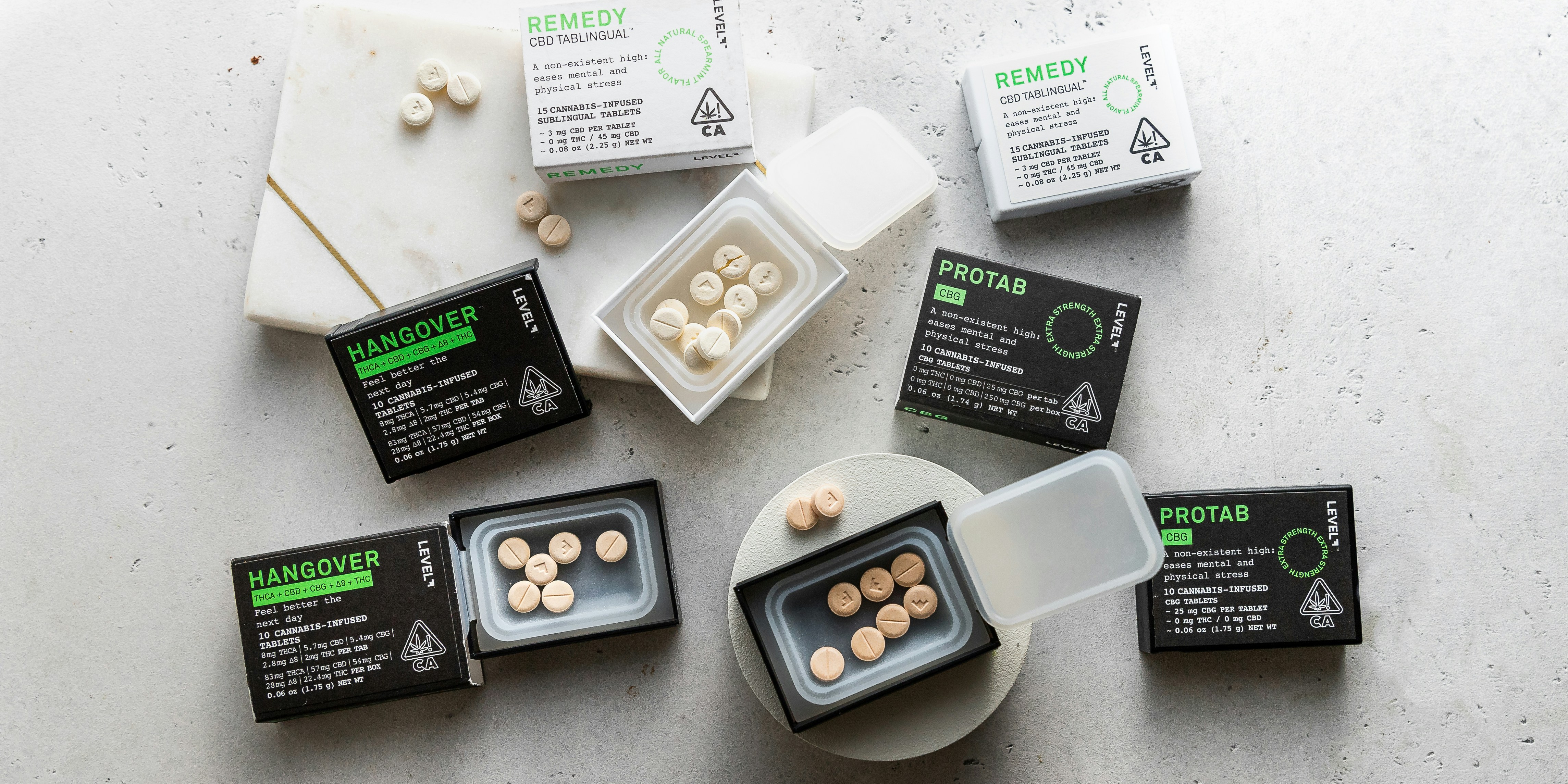
Decoding THCa and the 2018 Farm Bill: practical thresholds, delta 9 conversion risks, and what merchants must know
Understanding the chemistry matters more than slogans. THCa itself is non-intoxicating, but the 2018 Farm Bill’s legal pivot is based on delta‑9 THC measured on a dry weight basis (the ubiquitous 0.3% line). That creates a blind spot: THCa can decarboxylate into delta‑9 when heated, aged, or processed. For merchants this means that a product that looks compliant on paper (low delta‑9, high THCa) can become non‑compliant after manufacturing, shipping, or consumer use if conversion isn’t controlled and documented.
Practical thresholds are about the math, not wishful thinking. Laboratories and regulators ofen use the conversion factor 0.877 to estimate how much delta‑9 coudl form from THCa (delta‑9 ≈ THCa × 0.877). To stay comfortably inside the law, aim for a conservative margin well below the 0.3% delta‑9 equivalent. recommended merchant actions include:
- Require COAs that report both delta‑9 and THCa, and show how total THC equivalents are calculated.
- Insist on post-process testing for products that undergo heating, extraction, or concentration.
- Document storage and handling to limit inadvertent decarboxylation (cool, dark, and sealed).
- Use more conservative internal thresholds (e.g., total Δ9-equivalent ≤ 0.2%) to buffer against lab variance and state rules.
| Product Type | Example THCa (%) | Potential Δ9 After Decarb (%) | Compliance Note |
|---|---|---|---|
| Raw flower | 0.25 | 0.22 | Likely compliant if measured correctly |
| Concentrate | 3.00 | 2.63 | High risk-will exceed federal limit if fully decarbed |
| Infused edible (post bake) | 0.50 | 0.44 | Risky without post-process COA |
Risk management is non-negotiable. States interpret the Farm Bill differently and enforcement can hinge on a single lab report. Maintain third‑party testing, clear labeling, age gates, and a recall plan.When in doubt, lower the allowed THCa, disclose testing methodology on product pages, and consult regulatory counsel-as staying informed and proactive turns a volatile chemistry problem into a controlled business practice.

Shipping, interstate commerce, and platform policies: recommended shipping protocols, restricted states, and carrier compliance
Shipments should be treated like regulated goods even when the product is derived from federally compliant hemp. Adopt a standard operating procedure that includes batch-level Certificates of Analysis (COAs), clear chain-of-custody documentation, and tamper-evident packaging. Use discrete, child-resistant packaging and prominent labeling that states hemp origin, cannabinoid profile, and a batch ID. For higher-value or temperature-sensitive formulations, employ tracked, insured shipping and require a signature on delivery where state law permits.
Interstate movement hinges on both federal thresholds and destination rules.Best practice is to verify that the product measures ≤ 0.3% Δ9‑THC on a dry weight basis and to account for the fact that thca can convert to Δ9‑THC when heated-factor potential conversion into your COA interpretation. Maintain a central compliance folder with COAs, grower/processor declarations, and transaction records for at least 2-3 years to demonstrate due diligence in the event of inspection.
- Pre-shipment checklist: COA attached, batch/lot number on the box, age-verification steps completed, carrier acceptance confirmed.
- On-demand proof: digital COA link in shipment emails and printable documentation inside the package.
- Destination screening: Automated IP/state-blocking in checkout to prevent sales to restricted jurisdictions.
Some states remain cautious or have explicit limits-use the table below as a starting map, not definitive law.Likewise, major carriers and online platforms each publish their own hemp policies: secure written carrier acceptance, and vet payment processors and marketplaces for cannabinoid-specific rules before listing. When in doubt, suspend shipping to a flagged jurisdiction and consult counsel to avoid costly enforcement actions.
| State | Typical Restriction | Quick Note |
|---|---|---|
| Idaho | Broad limits on hemp-derived cannabinoids | Often blocks interstate sales of some THCa products |
| Mississippi | Restrictive packaging and testing rules | Requires local compliance checks |
| South dakota | Ambiguous hemp definitions | High variance in enforcement |

Marketing, age verification, and payment processing: compliant messaging, ad channel restrictions, and payments risk mitigation
In the regulated hemp market, copy matters as much as the product. Use clear, factual language that emphasizes hemp-derived origin and avoids health claims, disease treatment statements, or unverified therapeutic assertions. Tailor disclaimers and terms to the jurisdictions you serve-what’s permissible in one state may be restricted in another-so include location-based notices at checkout and on product pages. Keep product labels and site content factual, ~openness-first~, and always link to lab certificates to reinforce trust without straying into prohibited claims.
Protecting minors is non-negotiable: implement a layered age-gating strategy that balances user experience with compliance. Consider a graduated approach that escalates verification only when signals are ambiguous,rather than blocking every session. Recommended elements include:
- initial gate: simple age selector (18+/21+) before product exposure
- Secondary check: date-of-birth entry with client-side validation
- Advanced verification: third-party ID verification for high-value orders or shipped-to-high-risk ZIP codes
- Geo-fencing: block delivery to prohibited states and show localized legal notices
Paid channels are increasingly cautious. Major platforms often classify THCa and novel cannabinoids alongside cannabis, so standard search and social campaigns may be restricted or repeatedly disapproved. Lean into content-driven channels-email, owned social, native content, and influencers who disclose sponsorships-and optimize creative to show lifestyle imagery rather than consumption. Quick reference:
| Channel | Typical Status | Risk |
|---|---|---|
| Google Ads | Often disallowed | High |
| Facebook/Instagram | Restricted/flagged | High |
| Email & Owned Media | Allowed with compliance | Low |
| Influencer Partnerships | Viable if clear | Medium |
Payments require proactive risk management: expect higher underwriting standards, elevated reserves, and stricter chargeback scrutiny. Mitigate payment friction by partnering with processors experienced in hemp commerce, implementing robust KYC/KYB for customers and suppliers, and maintaining a clear refund and shipping policy to reduce disputes. Offer alternative rails-specialized high-risk merchant accounts, compliant third-party storefronts, or cryptocurrency options-while monitoring chargeback ratios and keeping detailed transaction logs for rapid dispute resolution.
Operational compliance checklist for ecommerce merchants: inventory controls, supplier agreements, and routine legal audits
Track everything like evidence: implement batch-level inventory controls that tie every unit listed online back to a receipt, COA, and shipment. Automate cycle counts and low-stock alerts so you never sell outside your documented supply chain. Use SKU tagging to separate promotional/test samples from saleable inventory and keep a secure, read-only ledger of destroyed or returned items. Small habits – timestamped receipts, scanned lot numbers, immutable logs - prevent big legal headaches down the road.
Supplier relationships should be contracts, not handshakes. Build agreements that require current Certificates of Analysis, explicit representations about hemp-derived status and THC/THCa levels, and a right-to-audit clause. Include clear indemnity language and recall cooperation obligations. Consider adding thes clauses in plain language so your operations and legal teams can enforce them without pulling the original contract every time:
- COA delivery cadence (upon receipt, quarterly)
- labeling & marketing compliance (supplier warranties)
- Audit & inspection rights (remote review + onsite)
- Termination for non-conformance (fast-track removal)
Schedule routine legal audits as a calendar item, not an afterthought.A simple cadence table helps make audits predictable and actionable – who signs off, what documents are reviewed, and the remediation window for issues found. Keep a designated audit folder with contract versions, COAs, shipping manifests, test results, and customer complaint logs so findings lead quickly to corrective action.
| Audit | Cadence | owner |
|---|---|---|
| Supplier Compliance Review | Quarterly | Procurement Lead |
| Inventory Reconciliation | Monthly | Warehouse Manager |
| Marketing & Claims Check | Monthly | Legal/Compliance |
stitch these pieces together in your storefront and ERP: sync COA metadata with product pages, flag non-compliant SKUs automatically, and train sales and customer service on what they may and may not promise.Regular tabletop exercises - mock recalls, supplier-failure drills – convert policy into practiced muscle memory. When compliance becomes operational habit, legal audits feel less like a threat and more like proof that your e-commerce business can scale safely in 2024 and beyond.
The Way Forward
As the digital shelves fill with new hemp-derived offerings, THCa occupies an uncertain yet intriguing corner of the marketplace-one shaped by the 2018 Farm Bill but quilted together by state rules, enforcement priorities, and rapidly developing science. For e-commerce operators and consumers alike, success in 2024 will come less from bold leaps than from steady navigation: clear testing, transparent labeling, conservative marketing, and an ongoing check of local and federal guidance. Treat the Farm Bill as a compass, not a map; it points the general direction, but the terrain still changes beneath your feet.Stay informed, document your compliance steps, and be ready to adapt as regulators clarify boundaries. With careful attention and responsible practices, THCa commerce can move forward thoughtfully-balancing innovation with the prudence that a complex legal landscape demands.

