



Imagine holding a freshly harvested cannabis leaf and peering at the tiny, crystalline world on its surface – that powdery coating holds more than plant sparkle; it contains THCA, a molecule that quietly shapes the plant’s chemistry. Short for tetrahydrocannabinolic acid, THCA is the raw, non-intoxicating precursor to the better-known THC. Heat, light, or time can transform it into the psychoactive compound that gets most of the headlines, but THCA itself has a distinct identity worth understanding.
This article offers a amiable, no-jargon introduction to THCA for beginners. We’ll sketch how it forms in the plant, how and why it converts to THC, what researchers and consumers find interesting about it, and the basic legal and safety considerations to keep in mind. Whether you’re curious about the science behind the buzz or simply want a clear roadmap through cannabis chemistry, this easy overview will give you the essentials without the technical tangle.
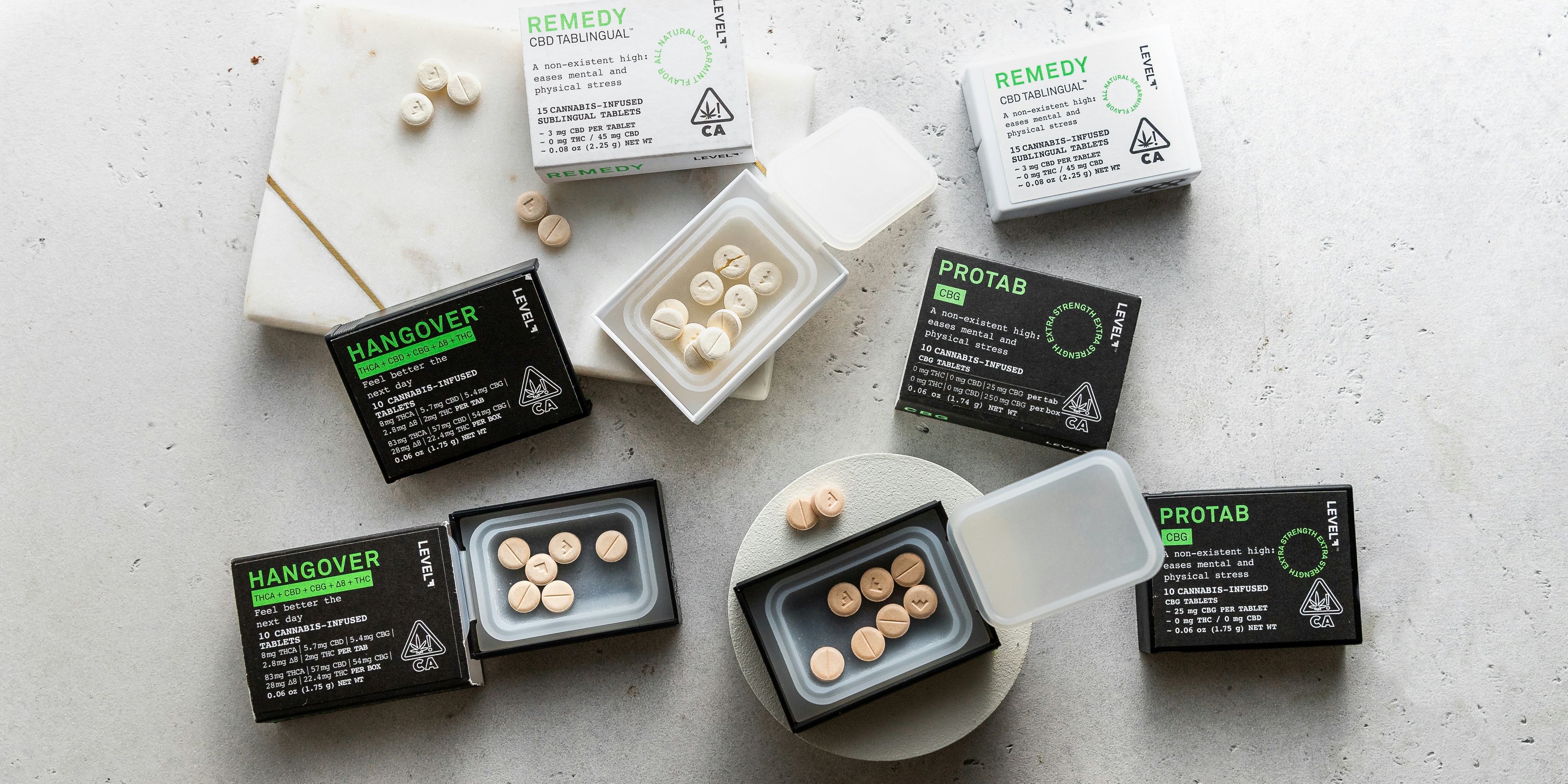
Understanding THCA and How It Differs From THC
Plants produce many molecules that sit quietly in their raw form until something changes them. One such compound is THCA, a naturally occurring acid in fresh cannabis flowers and leaves. It’s chemically similar to the better-known THC but carries a very different profile: in its native state it does not create the classic psychoactive effect. Instead, THCA often shows up in conversations about raw cannabis, juices, and cannabinoid research because it’s the precursor that transforms into THC when heat or time remove a carboxyl group – a process called decarboxylation.
To see how they differ at a glance, consider a few practical points. THCA is abundant in fresh plant material and often targeted for non-intoxicating uses, while THC is the product of decarboxylation and is responsible for the intoxicating sensations recreational users describe.Key differences include:
- Psychoactivity: THCA – non-intoxicating; THC – intoxicating after activation.
- Occurrence: THCA – raw, uncured plant; THC – heated/cured cannabis or products.
- Consumption method: THCA – juicing, raw tinctures; THC – smoking, vaping, edibles.
- Legal/labeling implications: THCA may appear on lab reports differently than THC due to testing and laws.
| Property | THCA | THC |
|---|---|---|
| Psychoactive? | No (in raw form) | Yes (after decarboxylation) |
| found in | Fresh, uncured plant | Cured/heated products |
| Common use | Raw preparations, laboratory study | Recreational & medicinal products |

The science of THCA and What Current Research Reveals
THCA (tetrahydrocannabinolic acid) is the natural, non‑intoxicating precursor found in living cannabis flowers. Chemically it carries a carboxyl group that prevents the classic “high” associated with THC until that group is removed through heat or aging – a process called decarboxylation. Because of that extra acid group, THCA interacts differently with the endocannabinoid system and appears to have lower affinity for CB1 and CB2 receptors; researchers are exploring alternate molecular targets such as TRP channels and nuclear receptors to explain its effects.
Laboratory and animal work have begun to sketch a biological profile for THCA, but human evidence is still sparse. Early findings point toward several potentially useful activities:
- Anti‑inflammatory – reduced markers of inflammation in cell and rodent models.
- Neuroprotective – protective signals in brain injury and neurodegeneration models.
- Antiemetic/antispasmodic – preliminary animal data suggesting reduced nausea-like behaviors.
Thes outcomes are promising, yet they come mostly from preclinical experiments; robust clinical trials are required before drawing firm conclusions about safety and efficacy in people.
| Study type | Model | Headline result |
|---|---|---|
| In vitro | Immune cells | Lowered inflammatory cytokines |
| Animal | Rodent neurodegeneration | Improved cellular survival |
| Observational | small human reports | Anecdotal symptom relief |
Key limitations deserve attention: THCA is chemically unstable and will convert to THC under heat (so method of consumption matters), product labeling can vary, and current human data are limited in scale and rigor. For consumers and clinicians alike, that means cautious optimism – the molecule shows interesting biology, but well‑designed clinical trials are needed to translate preliminary lab results into clear therapeutic guidance. In the meantime, handling, storage and testing considerations are critically important as THCA’s conversion to THC can affect legal status and drug‑screen outcomes.
In Summary
As you close this quick tour of THCA,remember that it’s one curious piece of the cannabis puzzle – a non-intoxicating precursor to THC that lives mostly in raw plant material and in the pages of ongoing research. It’s simple to grasp in concept but layered in practice: chemistry, consumption methods, legal rules, and science all shape how people encounter it.
If this primer sparked questions, let them lead you to reputable sources, up-to-date studies, and licensed professionals who can speak to legal and health considerations in your area. THCA’s story is still being written; staying curious and cautious will help you read the next chapters with clarity.
Thanks for reading – whether you’re deepening a hobby or just satisfying curiosity, now you’ve got a clearer map for where THCA fits on the cannabis landscape.

