



A new chapter is unfolding in the quiet paperwork of municipal halls and the bright displays of neighborhood dispensaries: the legal status of THCA flower has shifted, and with it comes a mix of opportunity, confusion, and careful parsing of the fine print. Whether you call it THCA,tetrahydrocannabinolic acid,or simply “flower” in the cannabis aisle,recent local updates are prompting residents,retailers,and regulators to reexamine what is – and isn’t – permitted on the books.
this article peels back the layers of those changes without taking sides.We’ll define the term at the center of the conversation, summarize the specific local amendments or rulings that have altered access or restrictions, and explain the practical implications for consumers, businesses, and law enforcement. Where details matter – age limits, possession thresholds, packaging or sales restrictions - we’ll point them out so you can see how the new rules differ from the old.
Laws vary widely from one jurisdiction to the next, so think of this as a guided map rather then a worldwide roadmap: it highlights the typical contours of recent updates and flags the common traps and clarifications that have emerged. read on to get a clear, neutral overview of what’s now legal in your area and what questions still hang in the air.
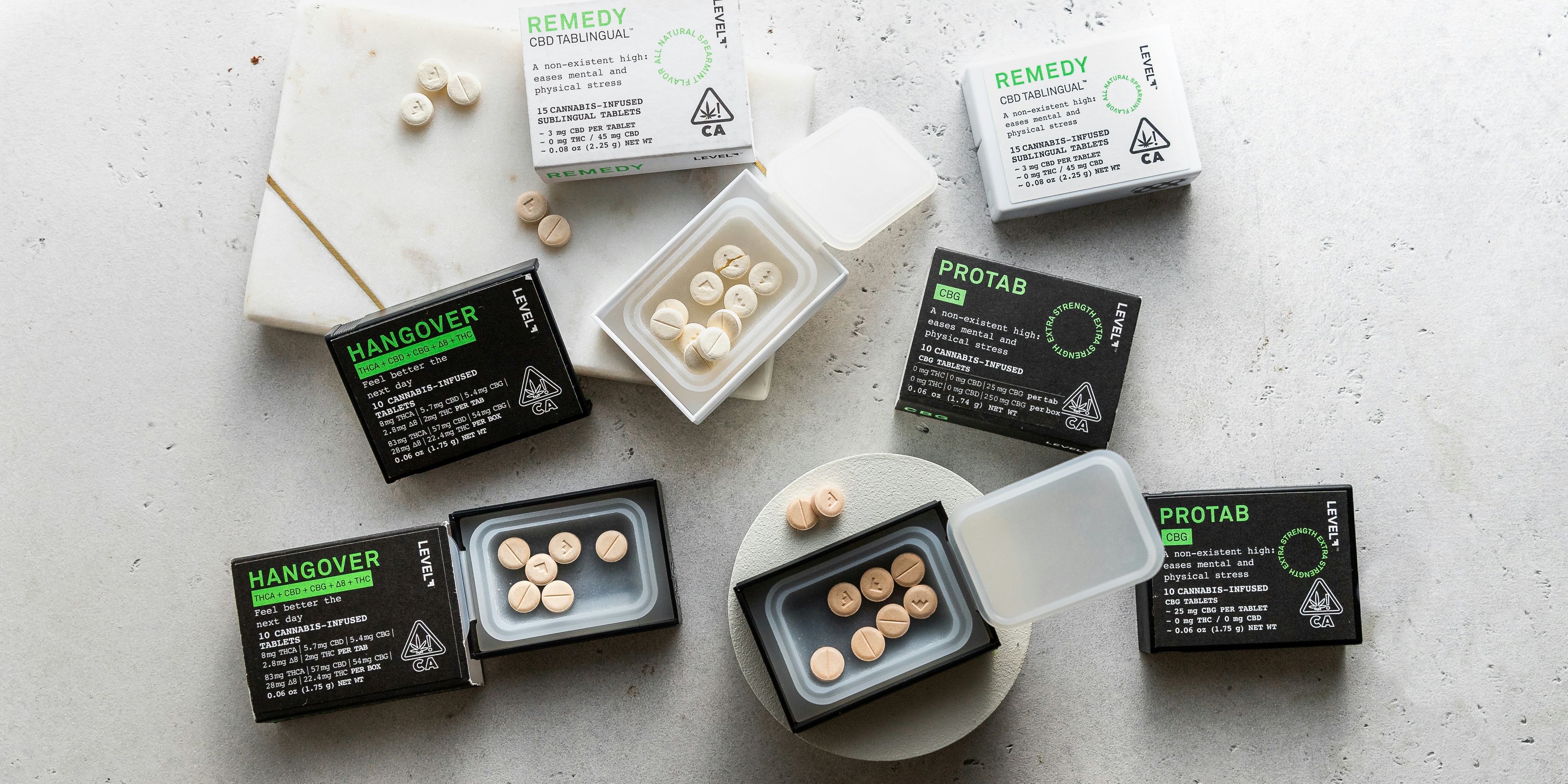
What THCA Is and Why It Matters for Local Regulations
THCA (tetrahydrocannabinolic acid) is the raw, acidic form of THC found naturally in cannabis plants. In its native state it is indeed largely non-psychoactive; only after decarboxylation-the chemical process triggered by heat or long-term aging-does it convert into Delta‑9 THC, the compound associated with intoxication. chemically this is a simple loss of CO2, but legally that small change can flip a product from compliant to controlled overnight.
As many statutes regulate “THC” rather than THCA specifically, local policymakers and courts frequently enough rely on a calculated “total THC” figure that converts THCA into its potential Delta‑9 THC equivalent. That approach creates several practical considerations for municipalities, retailers, and labs:
- Testing standards: which labs and methods are accepted for reporting THCA vs. THC.
- Labeling rules: whether products must list both THCA and total THC on consumer-facing labels.
- Enforcement clarity: how officers and judges interpret possession thresholds when THCA-rich flower is present.
- Product classification: whether unheated biomass is treated the same as ready-to-consume products.
| Product | THCA (approx.) | Potential THC after Decarb (0.877×) |
|---|---|---|
| Dried Flower | 20% | ~17.5% |
| Concentrate | 50% | ~43.9% |
| Low‑THC Hemp Bud | 0.5% | ~0.44% |
For consumers and regulators alike the lesson is straightforward: chemical form matters. A bag of high‑THCA flower that tests low for Delta‑9 THC can still become an intoxicating product when consumed; likewise, blanket bans or limits that ignore THCA can leave loopholes.Practical steps include requiring up‑to‑date COAs at point of sale, clear labeling of both THCA and total THC, and training for enforcement so that possession thresholds are applied consistently and fairly.

Obligations for Retailers and Producers A Step by Step Compliance Checklist
Start with your paperwork. Within days of the law change you should confirm that your business licence covers THCA flower and that all product SKUs are registered with the appropriate state or local agency. Arrange third-party laboratory testing for potency and contaminants, and keep digital copies of every COA (Certificate of analysis).
- License check: verify categories and renewals.
- Product registration: submit label proofs and formulations.
- Lab testing: schedule routine panels and retain COAs.
Make your packaging and point-of-sale compliant. Update labels to include required warnings, cannabinoid content, batch numbers and QR codes linking to COAs. Implement age-verification procedures at checkout and train staff on ID policies, refusal-of-sale protocols, and responsible sales practices. Keep advertising conservative and within local restrictions-no youth-appealing imagery, and avoid unverified health claims.
- Labeling: child-resistant, plain language, mandated icons/warnings.
- Staff training: documented sessions and signed acknowledgements.
- Marketing: follow local advertising rules and track promotions.
Document, secure, and prepare for audits. Maintain a compliance binder or digital folder with inventory logs, transport manifests, waste disposal receipts, recall plans and quarterly reconciliation reports. Establish a recall and incident response workflow and designate a compliance lead to field inspections or inquiries. Below is a quick responsibilities snapshot to build into your internal checklist:
| Task | Producer | retailer |
|---|---|---|
| Lab testing & COAs | Prepare & attach | Verify before sale |
| Label accuracy | Create/compliance check | Confirm & display |
| Age verification | N/A (packaging) | Enforce at POS |
| Recall handling | initiate & notify | Quarantine & return |

Enforcement Penalties and Know Your Rights Recommendations for Consumers and Businesses
Local enforcement can pivot quickly from warnings to stiff penalties when THCA flower Regulations are misread or ignored. Agencies frequently enough deploy a mix of administrative actions (license suspension, product seizure), civil fines, and-when minors or large-scale unlicensed distribution are involved-criminal charges. Expect variability: some inspectors prioritize public-health labeling violations while others target unpermitted storefronts; the same product can draw different outcomes depending on how it’s marketed and stored.
For businesses, the playbook is simple but non-negotiable: document everything, and make compliance visible. Key practices include:
- Maintain Certificates of Analysis (COAs) on-site and online for every batch.
- Age-verification systems at points of sale and clear staff training records.
- Transparent labeling and marketing that avoids THC claims or therapeutic promises unless explicitly allowed.
- Routine internal audits and an accessible chain-of-custody for inventory.
Consumers also have power: verify what you buy, keep proof of purchase, and understand encounter protocols with officers. If approached by enforcement,remain calm,ask if you are free to leave,and politely decline consent to searches without a warrant. Helpful habits include keeping COAs or receipts with purchased flower and asking retailers upfront about potency, source, and return policies-document requests and responses when possible.
| Typical Violation | Common Penalties |
|---|---|
| Labeling/COA mismatch | Administrative fine; product hold |
| Sale to minors | Criminal misdemeanor, heavy fines |
| Unlicensed retail distribution | Seizure, civil penalties, possible closures |
| Lack of batch testing | Warning or fine; recall risk |
When in doubt, document, ask for written guidance from regulators, and consult counsel-proactive compliance beats reactive penalties every time.
to sum up
As laws around THCA flower continue to shift, what was once a gray area is now becoming a clearer - if still patchwork – legal landscape. Whether your interest is personal, professional, or purely journalistic, the key takeaways are straightforward: the rules differ by jurisdiction, compliance matters, and staying current is essential.
If this update leaves you with questions about possession limits, sourcing, labeling or age restrictions, turn to local regulators, licensed retailers, and legal counsel for definitive answers. Practical steps – checking municipal codes, verifying product lab reports, and confirming retailer licensing – will help you navigate the new rules safely and responsibly.
This moment marks another chapter in how communities approach cannabis-derived products.Keep an eye on local announcements and court decisions, and expect more refinements ahead.for now, informed caution and ongoing attention will serve you best as the map of what’s legal keeps evolving.
