


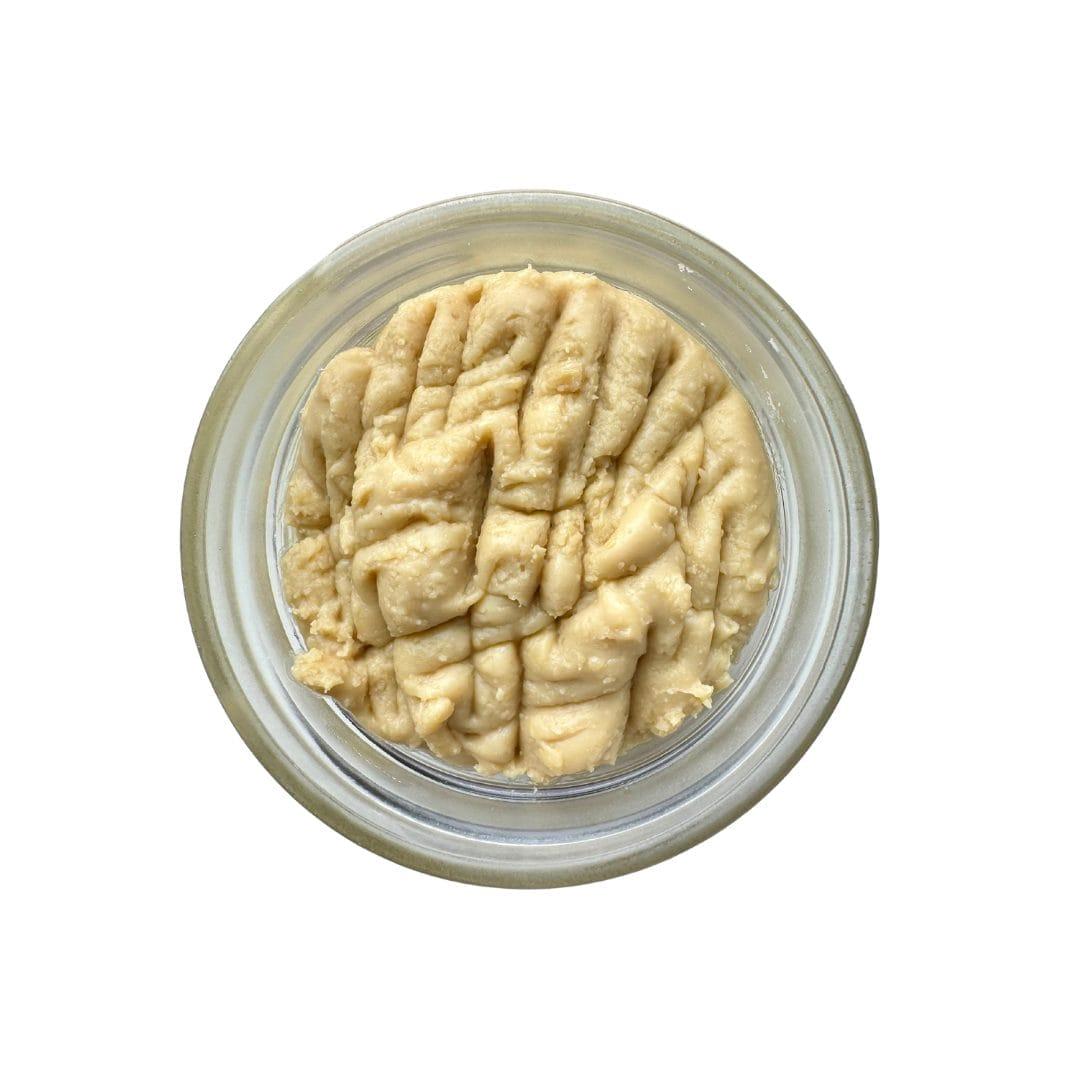
Imagine a topographic map where ridgelines are price spikes and valleys are seasonal gluts – except the landscape shifts not with tectonic plates but with harvests, regulations, and changing consumer tastes. mapping THCA wholesale prices asks us to read that landscape across product types, following how the cost of raw flower, concentrates, distillates, isolates and other THCA-bearing products have climbed, dipped and diverged over time.The result is less a single story than a set of overlapping histories that reveal how production methods, processing intensity, and market structure shape value.
At the heart of this exploration is THCA itself: the naturally occurring precursor to THC found in cannabis biomass, a molecule that travels through the supply chain in different guises – intact in flower, concentrated in extracts, refined into isolates – each with distinct cost drivers and risk profiles. Wholesale prices reflect those differences. They also register external forces: the cadence of harvests, shifts in regulation and licensing, advances in extraction technology, and swings in demand as consumers and retailers favor particular formats.
This article maps those product-type histories using time-series wholesale data, comparing trajectories, volatility, and inflection points. Rather than offering a single causal explanation, we trace patterns and correlations that can help producers, buyers, analysts and policymakers understand where value concentrates and where it erodes. The goal is a clear, neutral account of how THCA’s many forms have moved through the market – and what those movements might say about the supply chains that produced them.
Along the way we’ll highlight notable turning points, annotate likely drivers, and point toward questions that remain open. Read on to see the contours of a market in motion, sketched in price lines and product types.
Regional price fingerprints for THCA product types and recommended sourcing adjustments
Every market leaves a distinct imprint on THCA pricing – a fingerprint formed by climate, regulation, and logistic friction. In coastal supply hubs you’ll often see price compression on flower but premiums on high-purity distillates due to lab bottlenecks.Inland regions show the opposite pattern: cheaper bulk biomass but rising costs when converting to isolate-grade products. Reading these patterns lets buyers match sourcing strategies to local economics rather than chasing a single national benchmark.
Below is a compact snapshot of typical wholesale bands across representative regions. Use it as a directional map, not a predictive guarantee – seasonal swings and policy shifts will redraw these contours quickly.
| Region | THCA Flower (per lb) | THCA Distillate (per kg) | Recommended Move |
|---|---|---|---|
| Pacific Northwest | $1,800 | $6,400 | Hedge harvests |
| California | $1,600 | $5,800 | Diversify cultivars |
| Midwest | $1,200 | $5,200 | spot buying |
| Northeast | $1,900 | $6,600 | Lab-compliant sourcing |
| South | $1,050 | $4,900 | Consolidate shipments |
- Lock forward on coastal flower when harvest windows predict oversupply; capture lower grades for extraction rather than leaving exposure to spot dumps.
- rotate supplier pools in California – varietal diversity reduces vulnerability to single-cultivar price spikes and lab rejections.
- Leverage Midwestern spot depth for opportunistic buys tied to short-term offtake, but pair with quality QA clauses.
- Prioritize chain-of-custody in the Northeast where regulatory premiums make compliant lots worth the price delta.
Operationally, think of regional fingerprints as prompts for contract design: shorter terms and QA triggers where volatility is high, and longer, volume-based commitments where logistical premiums bite.Combining these moves into a regional sourcing matrix will preserve margin while keeping product flow resilient as markets reshape themselves.
Seasonal cycles and crop effects on THCA pricing and inventory playbooks for buyers
Markets breathe with the field: harvest windows, curing schedules and strain-specific yields create waves of supply that ripple through THCA pricing. When outdoor crops come in, potency clusters and lot sizes shift quickly – some batches command premiums for exceptional THCA percentages, while others depress spot rates because quality filters through slower testing lanes. Buyers who treat pricing as a static number get surprised; those who map the agricultural calendar see predictable swings and can time purchases to the peaks and troughs of real supply.
Practical inventory playbooks translate those rhythms into actions. Build buffers where variability is highest and lean into contracts when predictability improves. A resilient approach includes:
- Staggered contracts: ladder delivery dates to smooth cash flow and exposure.
- Quality-first hedging: secure samples and conditional pricing tied to lab results.
- Spot vs. forward mix: keep a portion of needs flexible to capitalize on harvest dips.
- Local sourcing tiers: diversify between greenhouse, indoor and outdoor suppliers to hedge weather risk.
| Quarter | Typical Price Multiplier | recommended Buyer Action |
|---|---|---|
| Q1 (post-holiday) | 0.95-1.00 | Replenish light inventories; evaluate quality |
| Q2 (early outdoors) | 0.85-0.95 | Buy spot for discounts; lock samples |
| Q3 (harvest peak) | 0.75-0.90 | Aggressively forward purchase for high-THCA lots |
| Q4 (cure & testing) | 0.90-1.05 | Stabilize contracts; prepare for next cycle |
Crop-level events-pest outbreaks, extreme weather or a new cultivar hitting the market-can flip these multipliers overnight. Buyers should codify trigger points (e.g., lab-fail rates above X% or a supplier yield drop of Y%) that automatically escalate sourcing actions. Think of your inventory as an orchestra conductor: when you read the agricultural score and give each supplier a part, the resulting supply harmony lowers cost volatility and preserves access to high-THCA lots when they matter most.
Wrapping Up
As we close the atlas on THCA wholesale prices by product type,the contours we’ve traced reveal more than numbers - they reveal markets in motion. The peaks and valleys of flower, concentrates, and infused products tell a story of shifting demand, regulatory currents, and technological change, and each historical layer helps explain the one that follows.
for buyers, sellers, analysts, and regulators alike, the value of mapping lies not in certainty but in orientation: these price histories provide bearings that make future navigation more intentional. Continued collection, comparison, and contextual analysis will be essential to distinguish transient blips from structural shifts.
Ultimately, the landscape of THCA wholesale pricing remains a living map. Treat it as such – consult it often, update it rigorously, and let it guide decisions with both caution and curiosity as the market charts its next course.
