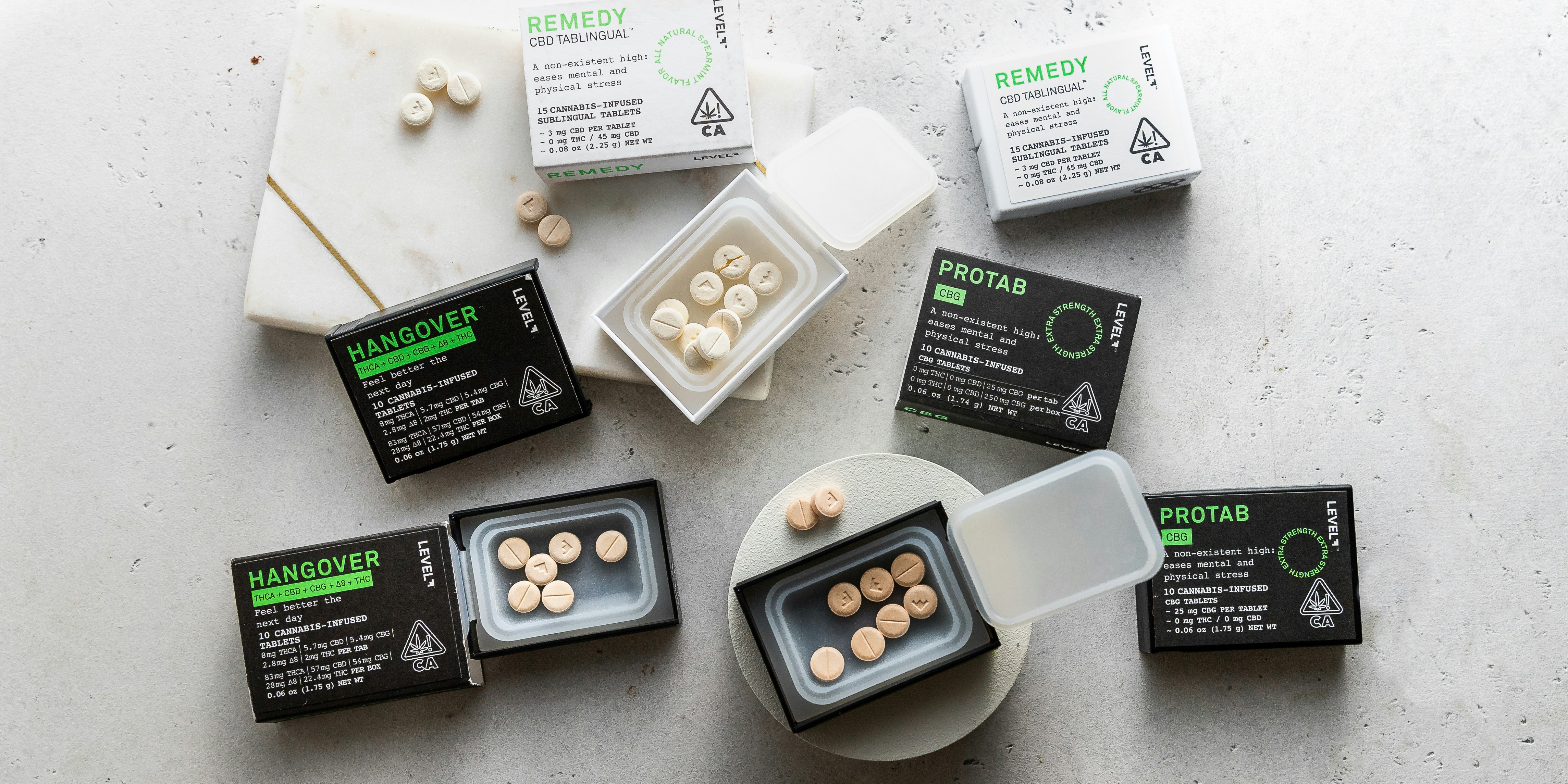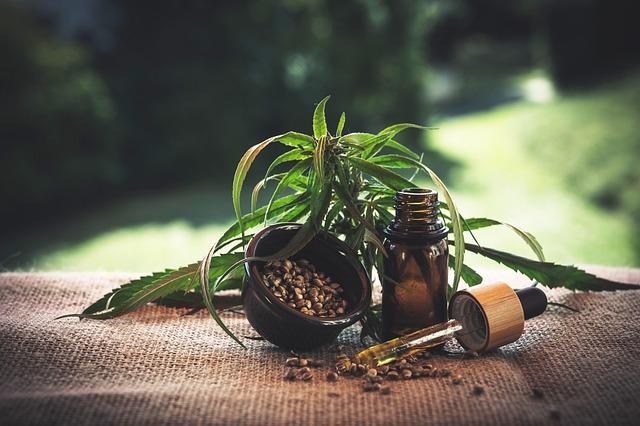
A molecule can be a quiet pivot point between commerce and prohibition. THCA – tetrahydrocannabinolic acid – is that pivot: a non‑intoxicating precursor that, when warmed or aged, can become the familiar psychoactive THC. As law typically measures THC by concentration, THCA’s presence creates a legal gray zone where chemistry, testing methods, and statutory language intersect.
This article opens that crossroads. We’ll trace how hemp is defined in statute, why THCA complicates that definition, and how laboratories and regulators respond when a sample skirts the 0.3% delta‑9 THC threshold. Rather than advocate a position, the goal here is clarity: to map the scientific realities and regulatory interpretations that determine when THCA is treated as hemp – and when it isn’t – so growers, manufacturers, and consumers can better navigate the rules that govern this small but consequential molecule.
Clarifying THCA and Legal Definitions to Distinguish hemp from Illicit Cannabis
THCA is the plant’s naturally occurring, non-intoxicating precursor to delta‑9 THC; it behaves like a sleeping giant – inert until heat or time awakens it into a psychoactive form. Courts and regulators rarely argue over the chemistry, but they do differ on how to count what the plant might become. That gap creates a legal gray zone: some frameworks look only at measured delta‑9 THC, others insist you account for the potential delta‑9 locked inside THCA molecules.
Most modern statutes and guidance hinge on a numerical ceiling for delta‑9 THC on a dry‑weight basis, but jurisdictions disagree on whether to apply a conversion factor. Many labs and compliance programs therefore use the standard conversion of THCA × 0.877 to estimate the amount of delta‑9 THC that would result after full decarboxylation. The choice of measurement method, the lab’s validation, and the Certificate of Analysis (COA) can determine whether a shipment is treated as legal hemp or regulated cannabis.
Practically, this means documentation and testing strategy matter as much as lab values. Producers and retailers should treat THCA as a legal and commercial risk factor: keep chain‑of‑custody records, use accredited labs, and make conservative calculations when limits are tight. key steps to reduce exposure include:
- Obtain a certified COA with both delta‑9 and THCA reported.
- Calculate total potential THC using the 0.877 conversion for THCA.
- Compare the result to the applicable legal threshold for your jurisdiction.
- When in doubt, consult regulators or counsel before sale or transport.
| Measured Δ9 | Measured THCA | Total potential Δ9 | Likely status |
|---|---|---|---|
| 0.05% | 0.10% | 0.14% (0.05 + 0.10×0.877) | Hemp (well below 0.3%) |
| 0.20% | 0.15% | 0.33% (borderline) | Possibly non‑compliant |
| 0.40% | 0.50% | 0.84% (clearly above) | Illicit cannabis in most jurisdictions |
How Decarboxylation During Processing Can Tip THCA Over the Hemp Threshold
Decarboxylation is the quiet chemistry that turns THCA-the non-psychoactive precursor in hemp-into active Δ9‑THC. Heat, light and time all nudge that transformation forward; when processing introduces enough energy, the molecular change can push a product’s measurable Δ9‑THC above the legal hemp limit. labs often account for the mass lost as CO2 during decarboxylation using a conversion factor (commonly ~0.877), so a seemingly safe THCA concentration on paper can translate into a higher Δ9‑THC figure after activation.
Many routine steps in manufacturing can inadvertently cause that activation. Common culprits include:
- Extended drying or high-temperature curing of biomass
- heat during extraction (hot solvents, vacuum ovens, or open‑air purges)
- Mechanical friction from heavy milling or high‑speed processing
- Distillation or chromatographic concentration that involves heat or long residence times
| Starting profile | Assumed conversion | Resulting Δ9‑THC | Compliance risk |
|---|---|---|---|
| Δ9‑THC 0.05% + THCA 0.25% | 0.25 × 0.877 = 0.22% | 0.05 + 0.22 = 0.27% | Low |
| Δ9‑THC 0.05% + THCA 0.35% | 0.35 × 0.877 = 0.31% | 0.05 + 0.31 = 0.36% | High |
Mitigation starts with intentional process design: keep temperatures low where possible,favor cold or short‑duration extractions,and incorporate interim testing so you know how close you are to the limit. Practical steps include batch testing before concentration, using inert atmospheres or chilled workflows, and documenting thermal profiles for auditors. Small changes in processing can mean the difference between a compliant hemp product and one that suddenly reads as cannabis under the law.
The Conclusion
As the line between hemp and controlled cannabis continues to bend and blur,understanding when THCA tips the scale is less about one luminous rule and more about reading a shifting map.The distinction depends on measurements, conversion math, testing methods, and – critically – the precise wording of the laws where you operate. Keeping those pieces in view transforms uncertainty into manageable risk.
For anyone growing, selling, transporting, or advising on hemp products, the practical path is steady: use accredited testing, track dry-weight and conversion assumptions carefully, document chain-of-custody, and monitor regulatory updates in each relevant jurisdiction. When in doubt, get a legal or compliance professional involved early; nuanced facts and phrasing can change outcomes.
The THCA question is a reminder that cannabis law is a moving landscape. With good data,clear processes,and regular legal review,businesses and individuals can navigate it without losing their footing – and be ready to adjust course as the map changes.