



A new chapter is unfolding in the cannabis market where chemistry and commerce meet: lab-tested THCA (tetrahydrocannabinolic acid) vape cartridges are carving out space on shelves and in supply chains, and wholesalers are answering demand with bulk options. For retailers, distributors, and formulators operating in regulated markets, the conversation has shifted from simply sourcing product to scrutinizing provenance, potency, and purity – all verified by autonomous testing.
This article explores that junction: why lab certificates matter, how wholesale buying changes margins and inventory dynamics, and what due diligence looks like when evaluating THCA cartridges at scale. Along the way we’ll unpack the technical checks that distinguish a reliable batch from a risky one, and the practical considerations – compliance, packaging, and consistency – that matter to businesses looking to stock quality vape products.Read on to navigate the landscape of bulk THCA carts with clarity: from laboratory reports to logistics,so you can assess wholesale options with the same precision labs use to analyze the chemistry inside each cartridge.
Understanding Lab Testing Standards for THCA Carts
Reliable lab data transforms a cartridge from a product into a promise. retailers and distributors should insist on testing from a third-party lab with clear chain-of-custody documentation and batch-specific Certificates of Analysis (COA).Proper standards ensure the cart’s reported potency, purity and terpene fingerprint are verifiable – critical when buying in bulk and aiming for consistent consumer experiences.
Labs typically screen for a narrow set of safety and quality markers. Look for results that include both cannabinoid quantification and contaminant panels. Key items to check include:
- Potency – THCA and converted Δ9‑THC (total potential THC using the 0.877 decarboxylation factor)
- Pesticides – broad-spectrum screening with limits and detection thresholds
- Residual solvents – GC/MS or GC/FID analysis for extraction solvents
- Heavy metals – led, cadmium, arsenic and mercury
- Microbial contaminants – yeast, mold and pathogenic bacteria where applicable
| Analyte | Example Threshold |
|---|---|
| Pesticides (total) | < 0.1 ppm |
| Residual solvents (Class 2) | < 50 ppm |
| Heavy metals (each) | < 0.1 ppm |
| Potency variance (batch) | ±5% target |
For wholesalers, the practical takeaway is simple: require lot-specific COAs, understand limits of quantification (a “ND” means non-detectable at the lab’s LOQ), and prioritize suppliers who provide stability data and clear labeling of total potential THC. Consistent testing standards reduce returns, protect end users and make large-scale purchasing predictable – which is the backbone of a trustworthy bulk vape program.

Selecting Strain Profiles Formulations and Terpene Targets for Bulk THCA Orders
Picking the right varietal starts with the chemistry, not the label. Lab certificates should guide your decisions: look for chemovar fingerprints (THCA purity, residual solvents, and minor cannabinoids) and terpene chromatograms that match the consumer experience you want to deliver. For bulk orders, prioritize strains that show consistent batch-to-batch profiles on COAs – predictable myrcene, limonene or caryophyllene levels make formulation and flavor reconciliation far easier downstream.
Formulation choices are where art meets science.Decide early on target viscosity and cartridge compatibility, then choose diluents and reinstatement terpenes that preserve the live-flower character. Key considerations include:
- Potency target: raw THCA percentage and final mg per puff.
- Viscosity control: MCT, botanical terpenes, or approved emulsifiers.
- Flavor fidelity: fresh-flower vs. amplified boutique profile.
- Stability: oxidation resistance and shelf-life under retail lighting.
Aim to lock these parameters at the order stage so the lab and manufacturer can align QC and batch SOPs.
Terpene targets should be both descriptive and prescriptive. Rather than a vague “citrus” tag, specify dominant terpenes and a target range (for example, limonene 0.6-1.2%, myrcene 0.3-0.8%, beta-caryophyllene 0.2-0.6%). Keep total added terpenes modest – most commercial carts land between 1-3% total terpene concentration to balance flavor and device performance. When mixing strains,create a primary profile and a backup blend so manufacturers can reproduce the sensory signature even when a raw lot shifts slightly.
| Profile | Dominant Terpenes | Suggested Target |
|---|---|---|
| Relaxing (Indica) | Myrcene • Linalool | Myrcene 0.8%, Linalool 0.3% (Total 1.5%) |
| Uplifting (Sativa) | Limonene • Terpinolene | Limonene 1.0%, Terpinolene 0.4% (Total 1.8%) |
| Balanced (Hybrid) | caryophyllene • Humulene | caryophyllene 0.5%, Humulene 0.3% (Total 1.4%) |
build QA checkpoints into your purchase agreement: COA-driven release, sensory bench-marking, and a small pilot run before full fulfillment. Clear terpene targets and formulation specs shorten lead times, reduce waste, and lock in the repeatability that wholesale buyers depend on.
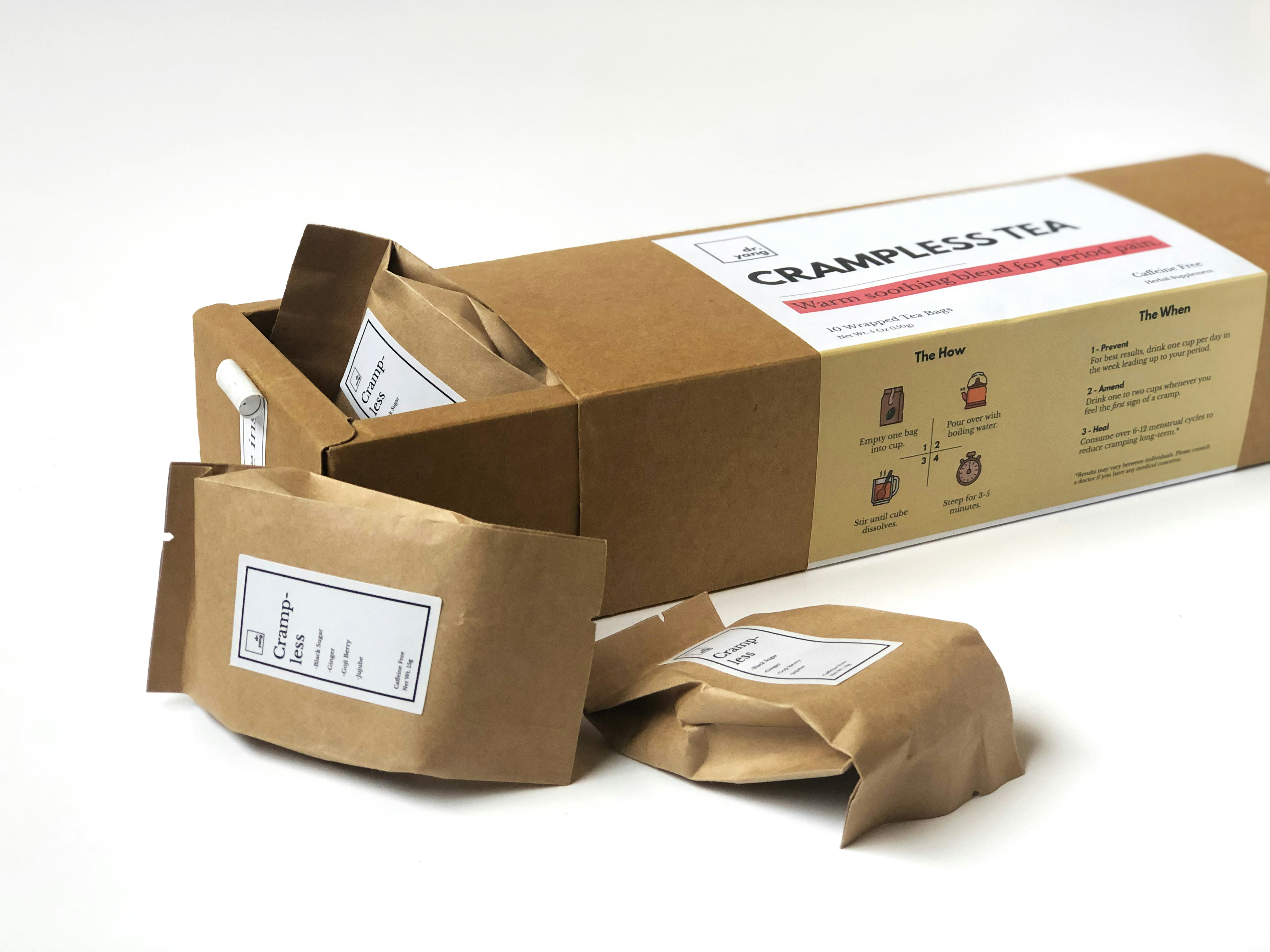
Compliance Packaging Storage and Shipping Best Practices for Distributors
Design packaging that speaks to safety and transparency. Use child‑resistant, tamper‑evident seals and clearly visible lot numbers tied to COAs (Certificates of Analysis). Include standardized warnings, a readable ingredients list, and a QR code that links directly to the lab report for each batch. Consider matte, opaque materials to protect cannabinoid integrity and prioritize recyclable options to meet evolving environmental regulations.
Control the storage environment to preserve potency and prevent spoilage. Maintain cool, dark, and dry conditions; avoid repeated temperature swings and direct sunlight. Implement a FIFO rotation system, batch-specific inventory logs, and periodic spot testing. Small measures-upright storage of carts, separation of batteries, and humidity control packs-can extend shelf life and reduce returns.
| Parameter | Recommended Range | Why it matters |
|---|---|---|
| Temperature | 15-22°C (59-72°F) | Slows degradation of terpenes and cannabinoids |
| Humidity | 35-55% RH | Prevents condensation and cartridge clogging |
| Shelf life | 6-12 months (batch dependent) | Based on stability data from lab testing |
Ship with compliance and customer experience in mind. Use carriers familiar with cannabinoid product rules; always confirm age verification, secure packaging for lithium batteries, and accurate labeling for cross‑jurisdiction transport. Keep complete shipping records, insurance on high‑value loads, and a tested plan for returns and recalls. Train staff on SOPs and maintain access to up‑to‑date regulations so every pallet that leaves the warehouse carries the traceability and care your brand promises.
The Way Forward
As dispensaries, retailers, and brands evaluate wholesale THCA cartridges, the deciding factors extend beyond price alone. Lab-tested products-backed by clear certificates of analysis, consistent batch results, clear labeling, and compliant manufacturing practices-offer the reliability needed to protect customers and reputation. Matching product specs (potency, terpene profile, and formulation) to your market, while confirming packaging, shelf life, and storage requirements, will make inventory decisions far more predictable.Buying in bulk introduces efficiencies but also responsibility: verify vendor traceability, minimum order quantities, lead times, and quality-assurance processes before committing. A careful onboarding process-sample testing, small initial orders, and ongoing QA checks-reduces risk and helps build a dependable supply chain.
Ultimately, lab-tested THCA carts can be a strong wholesale option when paired with rigorous evaluation and regulatory awareness. Prioritize data over promises, partners over bargains, and you’ll be better positioned to offer a consistent, compliant product to your customers as this market continues to evolve.

