


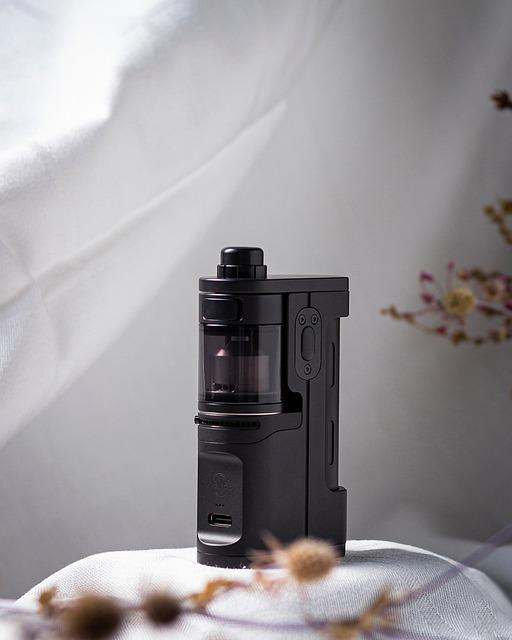
They smell like sunlight and pine, but their story lives at the intersection of craft and chemistry. Solventless THCA vapes-made from live rosin extracted without solvents and marketed for their high THCA content-have emerged as a clarity-seeking option for consumers who wont concentrates that highlight the plant’s natural profile. “Live rosin” evokes immediate imagery: fresh-frozen flower transformed under heat and pressure into a fragrant,full-spectrum extract. Coupling that artisanal process with lab-tested potency claims shifts the conversation from guesswork to verified composition.
This article unpacks what “solventless” and “THCA” really mean for vapes,why live rosin is prized for preserving terpenes and flavor,and how third-party testing can confirm cannabinoid levels and screen for contaminants. Whether you’re curious about production philosophies, product transparency, or what the lab numbers actually tell you, the following pages explore how tradition and testing converge in today’s cannabis concentrate market.
Understanding Solventless THCA Vapes and the Live Rosin Difference
Solventless means the concentrate inside the cart is created without hydrocarbon or chemical solvents. instead, resinous trichomes are gently separated (often with ice water) and pressed to produce live rosin-a vivid expression of the plant captured at harvest. In a THCA vape, that rosin delivers native terpenes and cannabinoids while THCA remains the dominant molecule, converting to THC only when heated. The result is a minimalist formula centered on the plant’s original profile, without added diluents or artificial carriers.
What sets this approach apart isn’t just the absence of solvents; it’s the character in the vapor. because live rosin is pressed from fresh-frozen material, it preserves delicate, volatile aromatics that can be muted in highly refined oils. Distillate-forward carts may emphasize sheer potency and flavor consistency, while rosin-led carts tend to showcase strain-specific nuance-the little differences you can taste and feel in aroma, density, and finish. Neither approach is universally “better”; they simply prioritize different experiences.
- Simple ingredient lists: rosin-based formulations with native terpenes
- Aroma-forward pulls: bright, resinous notes from fresh-frozen inputs
- potency clarity: THCA-focused with heat-activated conversion
- Transparent quality: batch COAs for potency, terpenes, and safety panels
“Lab-tested potency” is the anchor that keeps everything honest. Credible reports detail THCA percentage, calculated total THC, and a terpene fingerprint, alongside compliance screens for residual solvents (expected non-detect in solventless), heavy metals, and microbials. Hardware matters, too-cart materials, coil design, and temperature can influence flavor expression and conversion efficiency-so a trustworthy product pairs clean extract with verified components and lot-level documentation.
| Attribute | Live Rosin (Solventless) | Distillate Cart | BHO/CRC Oil |
|---|---|---|---|
| Source | Fresh-frozen flowers | Refined cannabinoids | Cured biomass |
| Process | Ice water + press | Fractional distillation | Hydrocarbon + purge |
| Profile | Strain-specific, terpene-rich | Neutral base + added terps | Varies; can be polished |
| Feel | Dense, resin-forward | Consistent, linear | Strong, sometimes sharp |
| Testing Focus | THCA, terps, safety panels | Potency, added terps, safety | Residual solvents + safety |

Interpreting Lab Tested Potency: How to Read certificates of Analysis for THCA, total Cannabinoids and Purity
Start at the top of the Certificate of Analysis and confirm the essentials: producer name, batch/lot number, sample type (e.g., “vape extract,” “live rosin”), collection and report dates, and the lab’s accreditation (look for ISO/IEC 17025). For solventless live rosin vapes, potency should be measured by HPLC-it reads acidic cannabinoids like THCA without heat, unlike GC methods that can convert them during testing. Check that the methods and instruments are listed, and that the COA is signed or digitally verified by the lab.
Potency numbers often come in % by weight or mg/g (1% ≈ 10 mg/g). You’ll usually see seperate lines for THCA and Δ9‑THC, plus a “Total Cannabinoids.” To estimate inhaled potency, many labs compute Total THC = Δ9‑THC + (0.877 × THCA), accounting for the loss of mass when THCA decarboxylates. ”ND” means not detected at the lab’s LOQ (limit of quantitation); it doesn’t mean absolute zero.Scan for a stated measurement uncertainty and remember that small swings are normal batch-to-batch. A realistic label-to-COA variance is typically within about 10% relative.
Purity panels for solventless vapes should reflect the process: Residual solvents are expected to be ND (rosin isn’t made with volatile solvents). Look for heavy metals (As, Pb, Cd, Hg), pesticides, microbials (total aerobic count, salmonella, STEC), and mycotoxins (aflatoxins/ochratoxin). If listed, water activity and moisture help assess stability. Terpene profiles in live rosin often show dominant myrcene, limonene, or caryophyllene; a modest rise in CBN can hint at oxidation over time, while wildly elevated CBN may signal age or heat exposure.
- Match the batch: COA batch/lot must match your cart’s label.
- Confirm the method: HPLC for cannabinoid profiling in rosin.
- Read units carefully: % vs mg/g; apply the 0.877 factor for THCA.
- Scan safety first: ND for solvents; metals, microbials, pesticides all “Pass.”
- Check dates: Recent sampling/reporting supports freshness.
| Field | What it means | Green flag | Red flag |
|---|---|---|---|
| Accreditation | Lab competence and validation | ISO/IEC 17025 listed | None stated |
| Batch/Lot | Traceability to your cart | Exact match | Mismatch or missing |
| Method | How potency was measured | HPLC for cannabinoids | Unclear or GC-only |
| Units | potency scaling | % and/or mg/g defined | Ambiguous units |
| Total THC | Decarb-adjusted strength | Δ9 + 0.877×THCA shown | No formula; unclear math |
| residual Solvents | Process contamination | ND / Pass | Detects common solvents |
| Heavy Metals | safety risk screen | All Pass | Any fail |
| Pesticides/Microbials | Clean cultivation/handling | All Pass | Any Fail or missing |
| Terpenes | Aroma/strain fingerprint | Profile listed | Omitted without reason |
| ND / LOQ | Detection thresholds | LOQ values stated | No LOQ, vague “ND” |
| Uncertainty | Expected variance | ± value provided | Not reported |
| Label vs COA | Accuracy of claim | Close alignment | Large discrepancy |
When numbers make sense together-verifiable methods, clean safety panels, clear units, and batch-matched documents-you can read the COA as a reliable map to your solventless rosin vape’s strength and cleanliness. If anything is unclear, ask the brand for the full PDF COA with method notes and detection limits; reputable makers are proud to share it.

Selecting a High Quality Live Rosin Cartridge: Strain Profiles, Terpene Signatures and Extraction Integrity
Start with cultivar truth. A reputable cart names the exact cut (not just “OG” or “Cookies”), the harvest month, and whether the input was fresh-frozen resin washed and pressed into live rosin.Look for single-source producers who grow, wash, and press their own material, and for batch data like micron range (e.g.,73-159 µ) and cure style (fresh-press or cold-cure). Color alone isn’t quality-golden isn’t automatically better than amber-so prioritize traceability and the presence of a recent, scannable COA (certificate of analysis).
Terpenes carry the cart’s personality. A clean profile reads like a botanical fingerprint rather than perfume: ratios of myrcene,limonene,caryophyllene,pinene,linalool,or terpinolene should echo the named strain’s reputation.In the lab report, the top three terpenes should be coherent with the strain story and make up a meaningful portion of the profile-not just “trace.”
- seek: Native (cannabis-derived) terpenes, clear top-three terpene breakdown, and total terpenes typically 5-12% for rosin carts.
- Skip: ”Natural flavor,” botanical terpene additions, or suspiciously uniform terpene numbers across different strains.
- Hardware fit: All-ceramic or glass path, tight seals, and a low-temp coil to preserve volatiles; avoid plastics near the oil.
Extraction integrity shows in what’s absent as much as what’s present. True live rosin is solventless: ice water separation, gentle pressing, and careful curing-no hydrocarbons, no cutting agents, no MCT/PG/VG. For THCA-forward formulations, some makers mechanically separate THCA fractions (rosin “diamonds”) and recombine them with native rosin terpenes; your COA should clearly partition THCA vs. Δ9-THC, plus screens for residual solvents (ND), heavy metals, pesticides, microbials, and mycotoxins. Stable carts resist sugaring at room temp, warm up evenly, and don’t darken rapidly once opened-signs the oil was pressed and cured at respectful temps.
| Label claim | COA Should Show | Red Flag |
|---|---|---|
| Live Rosin (Fresh Frozen) | Batch + harvest date; terpene panel; ND solvents | “Distillate blend,” missing harvest info |
| Strain-Specific | Top 3 terpenes align with cultivar lore | Identical terpene ratios across strains |
| High THCA Potency | Separate THCA and Δ9 values; total cannabinoids | only ”total THC” listed,no breakdown |
| Solventless | ND hydrocarbons; clean pesticides/metals | PG/VG/MCT or “natural flavors” in ingredients |
| Premium Hardware | Ceramic/glass path; heavy metals test pass | Plastic tank; no hardware spec or metals test |
Safe Dosing and Consumption Tips for THCA Vapes: Starting Levels,Temperature Settings and Session Planning
Start low,go slow-live rosin THCA can feel deceptively smooth until heat converts it to THC. Begin with a single, gentle 1-2 second inhale, then pause 10-15 minutes to gauge clarity, comfort, and intensity before taking another. Newer consumers frequently enough find 1-3 small puffs sufficient for a full mini-session; experienced users can scale cautiously. For steadier outcomes, keep puffs consistent in length and draw pressure.
- Plan ahead: clear your schedule, hydrate, and avoid mixing with alcohol or sedatives.
- Mind your setting: calm, familiar spaces reduce overconsumption impulses.
- Listen to your body: if you feel edgy or foggy, stop, breathe, sip water, and wait.
- Stay safe: don’t drive or operate equipment after vaping.
| Temp (°F / °C) | Voltage (510) | Profile | Best For |
|---|---|---|---|
| 315-345 / 157-174 | ~2.2-2.6 V | Bright terpenes, cooler vapor | Flavor-first, daytime microdose |
| 345-380 / 174-193 | ~2.7-3.1 V | Balanced flavor + potency | General sessions |
| 380-430 / 193-221 | ~3.2-3.6 V | Stronger effect, warmer draw | Short, decisive relief |
Lower ranges protect delicate live rosin terpenes; mid-range yields a rounded effect; higher heat intensifies conversion and clouds but can mute flavor and increase throat feel. Avoid extreme temps-they’re harsher and less nuanced. if your cart is thick, a brief preheat or a lighter first draw can definitely help wick without scorching. Rely on lab-tested potency to frame expectations, but remember: puff size, device airflow, and your own tolerance still drive outcome.
Design sessions with intention and finish with a clear stopping point. Keep a simple log noting puffs, temperature/voltage, and effects at 5, 15, and 45 minutes to discover your sweet spot. For steady clarity, try micro-sessions-one small puff every 30-60 minutes-rather than stacking back-to-back draws. Preserve quality by storing upright, capping the mouthpiece, and keeping cartridges cool and out of sunlight. When effects peak sooner than expected, pause; your next perfect session is built from what you learned in this one.
Storage, Shelf Life and Preserving Flavor: Practical Steps to Keep Live Rosin Fresh and Potent
Live rosin and solventless THCA formulations are most vibrant when protected from four culprits: heat, light, oxygen, and moisture. Keep jars and cartridges in a cool, dark, dry environment with consistent temperatures. For long-term storage of rosin in a sealed jar, cold conditions help (think 35-45°F/2-7°C), but avoid frequent freeze-thaw cycles. For filled vape carts, steady room temperature (60-70°F/16-21°C) is typically safer to reduce condensation, crystallization, and leaks. Stability beats extremes-every spike in temperature can push terpenes off-note and nudge THCA to precipitate.
| Storage Setting | Impact | Best Use |
| Freezer (≤32°F / 0°C) | Max terp retention; risk of condensation on opening | Great for sealed rosin jars; not ideal for carts |
| Refrigerator (35-45°F / 2-7°C) | Slows oxidation; can thicken oil | Short-term for jars; cautious with carts |
| Dark cabinet (60-70°F / 16-21°C) | Stable; preserves flavor and flow | Preferred for daily-use carts |
| Car/glovebox (80-120°F+ / 27-49°C) | Heat stress; leaks, terpene loss | Avoid whenever possible |
| Window/direct sun (UV) | Rapid terpene degradation | Keep product shaded |
Package choice matters as much as temperature. Airtight glass with a quality liner (PTFE or similar) limits aroma loss for rosin. UV-blocking containers and outer cartons reduce light exposure. Minimize headspace: extra air means more oxygen. if you decant, do it once, then seal quickly. For cartridges, store upright with the mouthpiece up to keep oil off the airway and prevent flooding. Cap everything between uses, keep carts off batteries when traveling, and don’t pocket-carry if you run warm-body heat nudges viscosity lower and invites seepage.
- Keep it sealed: Open only when needed; re-cap immediately to slow oxidation.
- Go dark: Use opaque or UV-tinted glass and stash in a shaded drawer.
- Stay steady: Avoid rapid temp swings; room-temp stability beats hot/cold cycling.
- Stand it up: Store carts vertically; rosin jars flat to keep seal surfaces clean.
- Limit air: Smaller jars for daily use reduce oxygen exposure during scoops.
- Gentle warm-up: If oil thickens,warm the cart between palms for 60-90 seconds-skip high heat.
Plan your rotation.Label jars and carts with the batch and open date, use older inventory first, and avoid leaving devices in hot cars, on windowsills, or near electronics that radiate heat. Before opening a cold rosin jar, let it reach room temperature sealed to prevent moisture from condensing inside. For solventless THCA vapes that taste as expressive as day one, think like a cellar master: low light, low oxygen, low drama-so every pull delivers the bright, botanical profile you paid for.
Navigating regulations and Trusted Brands: Red Flags,Third Party Testing Practices and Buying Recommendations
Regulatory lines around THCA shift with heat and with geography: once vaporized,THCA converts to delta-9 THC,which may change how it’s treated under state law.Look for clear compliance cues on the package and product page: age gates (21+), batch IDs, excise stamps in regulated markets, and shipping restrictions. Labels should state extraction type (ice-water hash → live rosin), ingredients (ideally “live rosin” only), net weight, manufacture/harvest dates, and a QR code to a batch-matched COA. Be cautious with vague “Farm Bill compliant” language without jurisdiction-specific clarity; responsible brands explain where they can legally sell and what testing they perform.
Counterfeit cues and quality red flags are frequently enough hiding in plain sight. Before you commit, scan for inconsistencies and shortcuts that solventless products should never need:
- Missing or generic COA; QR code that doesn’t resolve to the same batch number.
- Claims like “99% THCA live rosin” or neon hues-solventless rosin is aromatic and golden, not lab-diamond clear or artificially colored.
- “botanical terpenes added,” “thickener,” or “vitamin E/MCT” in a product marketed as pure rosin.
- COA lacks pesticide, heavy metal, microbe, mycotoxin panels-or skips residual solvents entirely.
- hardware with undisclosed materials, oily residue inside packaging, or too-good-to-be-true pricing far below market norms.
Third-party testing that actually protects you goes beyond a potency number. A trustworthy COA is signed, date-stamped, and ties back to a specific batch tested by an ISO/IEC 17025-accredited lab. Use the lab’s portal to verify authenticity when possible.
| COA Item | Look For | Why It Matters |
|---|---|---|
| Identity & Potency | THCA/THC split, minors listed | Confirms composition and expected effects |
| Contaminants | Pesticides, heavy metals, microbials, mycotoxins | Safety in every inhale |
| Residual Solvents | “ND” or compliant limits | Solventless shouldn’t show residues |
| Terpenes | % profile + dominant terpenes | Aroma, flavor, and effect mapping |
| Hardware Check | Leachables/metals test (if available) | Reduces risk from heating components |
| Chain of Custody | Batch ID, dates, lab contact, signature | Traceability and verification |
How to pick trustworthy, solventless-forward brands: prioritize makers who treat hash like a perishable craft, not a commodity.The best communicate their process clearly and invite scrutiny.
- Transparency: Batch-linked COAs on every product page; strain source (fresh-frozen), wash/micron details, and post-press handling (cold cure).
- Minimal ingredients: Cartridge lists only “live rosin”; no diluents, artificial flavors, or “terp blends.”
- Thoughtful hardware: Low-temp, ceramic-core carts with disclosed materials; tight seals to protect terpenes.
- Storage & freshness: Dates within a reasonable window; guidance on cool, dark storage to preserve volatility.
- Compliance-forward retail: Age verification, clear shipping map by state, responsive support, and consistent labeling across boxes and site.
To wrap It up
As the sun sets on the technical jargon and lab reports, solventless THCA vapes – especially those crafted from live rosin - stand out as a compelling chapter in the story of concentrated cannabis products. They marry a minimalist production beliefs with the transparency of lab-tested potency, giving consumers something closer to a botanical snapshot than a chemistry experiment.
Whether you prize terpene fidelity, solvent-free processing, or simply want verified numbers on a certificate of analysis, the choices are clearer when you shop with evidence in hand. Remember that legality, quality control, and personal tolerance are the practical lenses through which any product should be viewed.
In an evolving market, knowledge is the best filter: seek reputable sources, read lab results, and favor brands that prioritize integrity over hype. When you pair craftsmanship with transparency, you get not just a product but a promise – and that makes the future of solventless THCA vapes as interesting as it is accountable.

