


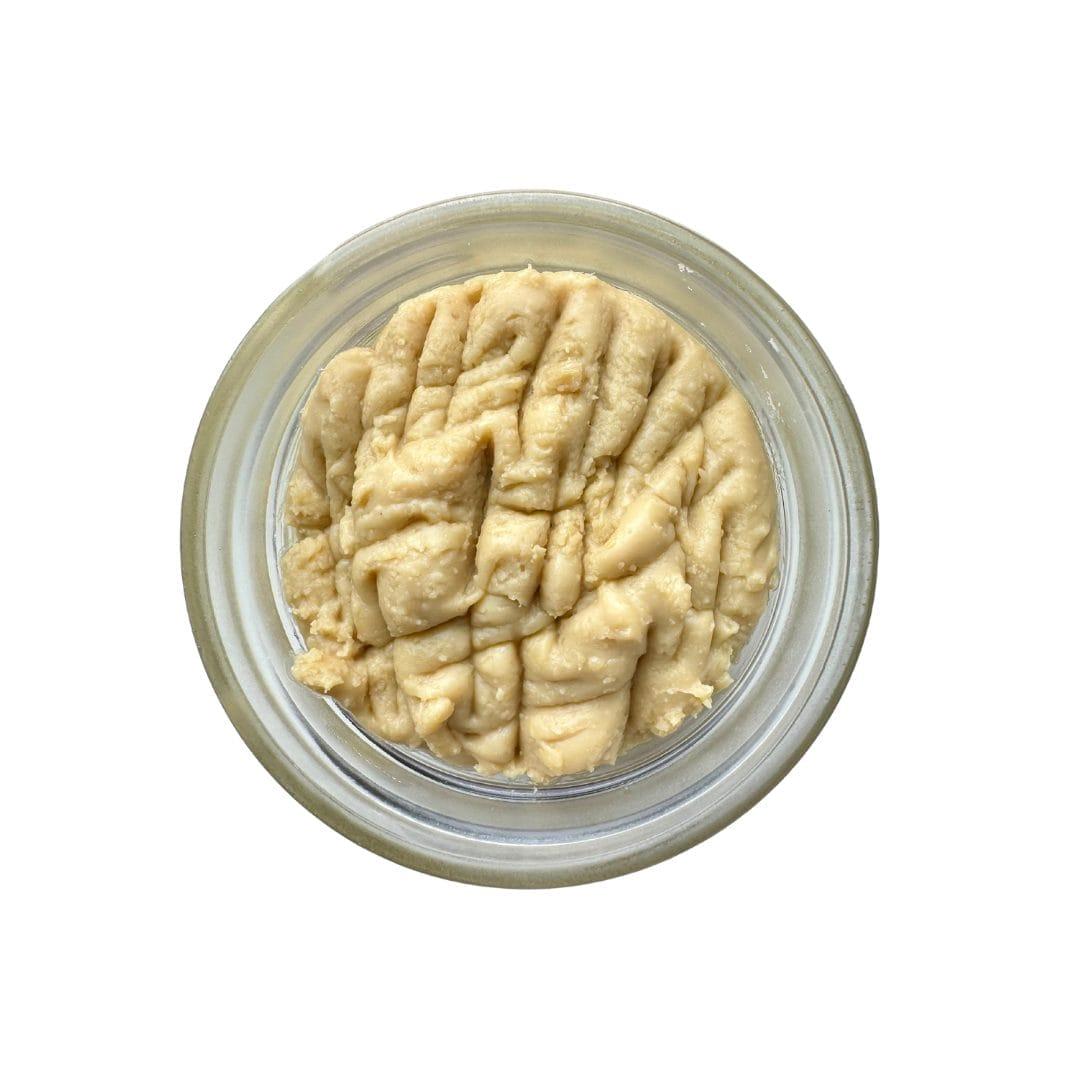
Imagine unfolding a new map of a landscape that’s shifting beneath our feet: valleys of regulation rise and fall, rivers of consumer interest change course, and clusters of innovation appear like fresh settlements on the horizon. The THCA market-centered on tetrahydrocannabinolic acid, the non-psychoactive precursor to THC-feels much like that terrain. Once a niche corner of the broader cannabinoid economy, it is indeed now attracting attention from manufacturers, retailers, regulators and curious consumers trying to understand where it fits in the evolving cannabis ecosystem.
This article sets out to chart that terrain. We’ll measure market size and growth trajectories, summarize the most consequential news shaping supply and demand, and place THCA in context thru comparisons with THC, CBD and other cannabinoids. Along the way we’ll examine regional regulatory differences, product formats and price dynamics, highlight notable companies and innovations, and surface the data and sources behind the headlines so readers can separate trend from hype.
Expect a data-forward but approachable exploration: maps, charts and clear comparisons where possible, paired with thoughtful analysis of risks and opportunities. Whether you’re an investor sizing potential, a retailer deciding what to stock, a policymaker tracking emerging issues, or simply curious about how THCA fits into today’s cannabinoid marketplace, this guide aims to orient you without spinning a tale-just a careful, neutral navigation of a market in motion.
Product Segmentation, Price Benchmarks and consumer Preference signals
market offerings segregate quickly along form factor and potency. Flower, live resin, distillate cartridges, crystalline isolates and infused edibles each occupy distinct shelf niches with diffrent cost structures and margin expectations. Flower competes on terpene profile and strain recognition, while cartridges and isolates sell on purity and convenience.Retailers tracking SKU-level velocity will often find that mid-potency, terpene-forward products convert best for casual users, while concentrates capture repeat buyers chasing potency peaks.
Benchmarking prices requires a common denominator: price per milligram of THCA. below is a compact snapshot that sellers use to align inventory pricing and promotional strategy. The table compares typical THCA concentration ranges and back-of-envelope price levels for a regional, regulated market.
| Product Type | Typical THCA | Price / gram | Price / mg THCA |
|---|---|---|---|
| Flower (premium) | 18-25% | $12-$20 | $0.06-$0.11 |
| Cartridge (distillate) | 70-90% | $35-$60 | $0.04-$0.09 |
| crystalline / Isolate | 95-99% | $40-$80 | $0.04-$0.08 |
| Edibles (per serving) | 5-25 mg | $5-$15 | $0.20-$3.00 |
Consumer signals are subtle but measurable: online reviews, return rates, cart abandonment, and social listening reveal preferences for packaging, dosing precision and lab transparency. Key indicators to monitor include:
- Repeat purchase ratio – strongest predictor of long-term SKU value
- Average order THCA – signals whether customers prefer potency or experience
- Lab-results view rate - correlates with trust and willingness to pay premium
Retailers that fold these signals into dynamic assortment and localized pricing can convert insights into margin uplift without overextending SKU breadth.
Competitive Landscape: major Players,Emerging Brands and Strategic Gaps
A handful of heavyweight firms shape the current THCA market – established MSOs and legacy CBD companies have the scale,regulatory know-how and capital to move quickly into new cannabinoid categories. Companies like Curaleaf, Cresco Labs and large CBD incumbents are leveraging distribution networks and retail relationships to place THCA products on shelves and in pharmacies where permitted. Their advantage is logistical: national supply chains,in-house labs,and licensing teams that can navigate state-by-state variation.
At the same time, a wave of nimble newcomers is defining product differentiation through craftsmanship and story. Small-batch producers, craft cultivators and DTC brands experiment with potency formats, terpene-forward profiles and dose-controlled options that appeal to curious, quality-focused consumers. Key archetypes among emerging players include:
- craft cultivators – terroir-forward flower and small-lot THCA concentrates
- Wellness-first startups – microdosing, vegan formulations, and functional blends
- Tech-enabled brands – e-commerce-native, subscription models and data-driven personalization
- Regional specialists – deep local sourcing and community-driven marketing
Despite these strengths, the market is porous with strategic gaps that create opportunities. regulatory fragmentation and inconsistent testing standards undermine consumer trust; many producers still struggle to standardize THCA stability across product types. Retail education and clear labeling remain weak, leaving a knowledge gap between product capability and consumer expectation. The table below maps the competitive contours at a glance.
| Player Type | representative Names | Strength | Strategic Gap |
|---|---|---|---|
| MSOs | Curaleaf, Cresco | Scale & distribution | Slow product innovation |
| Legacy CBD brands | Nationwide CBD names | Brand recognition | Regulatory positioning for THCA |
| Emerging Startups | Craft & DTC brands | Innovation & agility | Distribution reach |
| Ancillary Services | Labs, packaging, tech | Specialized support | Fragmented standardization |
Market Entry and Growth Strategies for Investors, Retailers and Producers
Finding footing in the THCA landscape requires reading more than price charts – it demands a map of regulation, consumer demand and product nuance. Institutional and private investors should treat regulatory clarity and scientific validation as primary due diligence vectors; retailers must balance shelf assortment with education and compliance; producers need to optimize genetics, extraction and chain-of-custody to build trust. Markets that appear blue-ocean today can quickly bifurcate between commoditized extracts and premium, branded formulations-know which lane you plan to occupy.
Practical playbooks diverge by role, but thay share common levers: product differentiation, supply reliability and clear labeling. Consider these tactical moves:
- Investors: target diversified portfolios that mix early-stage tech (extraction, testing) with later-stage branded plays; insist on transparent KPIs.
- Retailers: prioritize staff training and omnichannel customer education to convert curiosity into repeat purchases.
- Producers: invest in traceability and small-batch quality controls to command premiums and reduce recall risk.
| Entry Path | Capital Intensity | Time to Market | Regulatory Exposure |
|---|---|---|---|
| Investment Fund | Medium | 3-9 months | Medium |
| Brick-and-Mortar retail | High | 6-12 months | High |
| Contract Manufacturing | Low-Medium | 2-6 months | Medium |
| Direct-to-Consumer Brand | Medium | 4-10 months | Medium-High |
Scale is rarely linear: grow through strategic partnerships (co-packers, lab networks), data-driven assortment (SKU rationalization guided by repeat-purchase cohorts), and staged vertical integration only when margins justify the capex. Maintain a compliance-first roadmap,but let customer insights and product quality guide long-term decisions-this is how resilient THCA businesses convert early traction into durable market share.
Final Thoughts
As our maps and charts fold closed, the THCA landscape comes into clearer focus: a market shaped by shifting regulation, accelerating product innovation, and a steady drumbeat of new research and coverage. Whether your interest is size and scale, the latest headlines, or how THCA stacks up against other cannabinoids, the story is one of rapid change rather than fixed destinations.
Keep this guide as a compass, not a final chart. Numbers will update, laws will evolve, and comparisons will deepen as more data arrives. For investors, policymakers, journalists, and curious readers alike, the smartest next step is continued attention to primary sources-regulatory filings, peer-reviewed studies, and market reports-so decisions reflect the most current picture. As the market unfolds, staying curious and cautious will be the best way to navigate what comes next.
