



Sunlight, sand and statutes: Florida’s palm-lined storefronts have become an unexpected stage for a legal drama over a molecule called THCa. Chemically related to teh more familiar THC but carrying its own scientific and regulatory quirks,THCa has slipped into tinctures,vaporizers and edibles – and into a maze of legal interpretations that retailers must navigate without a map.
This article peels back the layers of that maze. We’ll trace how federal and state laws, product labeling, enforcement patterns and supply-chain realities intersect to shape what selling THCa in Florida actually means for businesses – not in legalese, but in the practical terms retailers need to understand. Whether you’re stocking shelves, advising customers, or simply following the market, the following pages aim to clarify the rules, the risks and the grey areas that define THCa’s current standing in the Sunshine State.
What THCa Is and Why It Matters for Florida Retailers
In live hemp and many extracts, THCa (tetrahydrocannabinolic acid) is the non-intoxicating precursor to the familiar psychoactive compound, delta‑9‑THC. In its raw form it does not produce the “high” associated with cannabis-only when THCa is exposed to heat or time through a chemical process called decarboxylation does it convert into delta‑9. For Florida retailers, that biochemical nuance matters deeply: a product that tests compliant on arrival can become noncompliant the moment it is vaped, smoked, or even stored improperly.
regulators and testing labs increasingly report THC content using a combined metric frequently enough labeled “THC total” (delta‑9 plus THCa converted to its delta‑9 equivalent). Florida’s hemp framework follows federal thresholds tied to delta‑9 limits, so the presence of THCa can push a product over legal limits even if measured delta‑9 is low. That creates a layer of legal ambiguity and operational risk for merchants who sell hemp-derived cartridges, concentrates, or raw flower that contains meaningful THCa.
Practical compliance for shops hinges on disciplined product vetting and clear consumer dialog. Actions that help reduce risk include:
- Requiring COAs showing both delta‑9 and THCa measurements and the lab’s conversion method.
- Buying from suppliers with documented harvest and processing controls to limit post-harvest decarboxylation.
- Labeling accurately and training staff to explain how storage/use affects potency.
- keeping writen policies for returns, testing spot-checks, and inventory rotation to avoid aging effects.
Below is a speedy reference comparing the two compounds to help staff and customers understand the difference at a glance:
| Attribute | THCa | Delta‑9 THC |
|---|---|---|
| Psychoactivity | Non‑intoxicating until heated | Intoxicating |
| Regulatory concern | Counts toward THC total after conversion | Primary threshold for compliance |
| Retail risk | May render compliant products illegal if converted | Directly affects legality at point of sale |

Federal and Florida Law: Where THCa Fits in the Legal Landscape
At the federal level, hemp is defined by the 2018 Farm Bill as cannabis with no more then 0.3% Δ9-THC on a dry weight basis. That narrow metric is the anchor for whether a product is treated as hemp or marijuana, but THCa complicates the picture: it’s the acidic precursor to Δ9-THC and converts to Δ9 when heated. Because laboratories and regulators account for this chemical change, many testing protocols report “total THC” by applying a conversion factor (commonly 0.877) to measured THCa. In practice that means a product with low measured Δ9 but high THCa can still push a retailer into non-compliance when total THC is calculated.
Florida’s statutory framework generally follows the federal definition, but enforcement and administrative rules are handled at the state level by agencies such as the Florida Department of Agriculture and Consumer Services. State-level oversight, labeling expectations, and local law enforcement priorities can create additional friction for sellers. Retailers operating in Florida must therefore be mindful not just of the chemical test results, but also of how those results are interpreted by state regulators and local authorities – especially for items sold as raw hemp flower, extracts intended for inhalation, or products that could be readily decarboxylated.
To reduce legal exposure, retailers should adopt a compliance-first approach. Key practical steps include:
- Obtain a Certificate of Analysis (COA) from a reputable lab that shows both Δ9 and THCa and reports total THC.
- Verify total-THC calculations (ask the lab about the 0.877 conversion and the testing method used).
- Label accurately and include batch tracking so products can be traced if questions arise.
- Restrict sales based on age and intended use (e.g., avoid marketing inhalable products that might be treated differently).
| Jurisdiction | Legal Basis | Practical Threshold | retail Tip |
|---|---|---|---|
| Federal | 2018 Farm Bill (hemp definition) | ≤ 0.3% Δ9-THC (total THC considered) | Use COAs that calculate total THC |
| Florida | State hemp statutes & agency rules | Mirrors federal test but state enforcement varies | Follow FDACS guidance and retain records |

Practical Compliance Checklist for Florida Retailers Selling THCa Products
Keep compliance practical and tangible: focus on verifiable documents, clear labeling and conservative product claims. Prioritize a current Certificate of Analysis (COA) for every SKU, ensure delta‑9 THC levels comply with federal and state thresholds, and train staff to verify customer age at point of sale. Packaging must include ingredient lists,serving sizes and safety warnings-avoid health claims that can trigger enforcement actions.
- COA on file: Match batch numbers and retain digital copies for at least two years.
- Label accuracy: List THCa content per serving and total package; include manufacturer contact info.
- Age verification: Use ID scanning or two-step verification for every purchase.
- Advertising limits: Prohibit therapeutic claims and target-safe marketing channels.
- Inventory tracking: Log receipts, sales and returns to create an audit trail.
Use a quick-reference snapshot at the register to help staff make instant decisions. The table below is suitable for printing and laminating near the POS.
| Requirement | Action | Status |
|---|---|---|
| COA | Match batch ID | Yes / No |
| Labeling | Ingredients & mg per serving | Compliant / fix |
| Age Check | Scan ID on purchase | Done / Alert |
Don’t wait for a complaint to update procedures – keep a rotation of sample retention, schedule quarterly staff refreshers, and maintain a relationship with regulatory counsel or a compliance consultant. Clear documentation and conservative choices are your best defense when rules evolve or inspectors arrive.
Testing Labeling and Packaging Standards to Reduce Legal Exposure
Retailers who move THCa products across Florida’s patchwork of rules benefit from a rigorous quality-first approach. Laboratory testing is the factual backbone: self-reliant, third-party COAs (Certificates of Analysis) that clearly distinguish THCa from delta‑9 THC and screen for heavy metals, pesticides, and solvents can dramatically limit disputes and enforcement risk. Documenting chain-of-custody and keeping COAs readily available for every batch turns guesswork into verifiable records that regulators, partners, and customers can inspect.
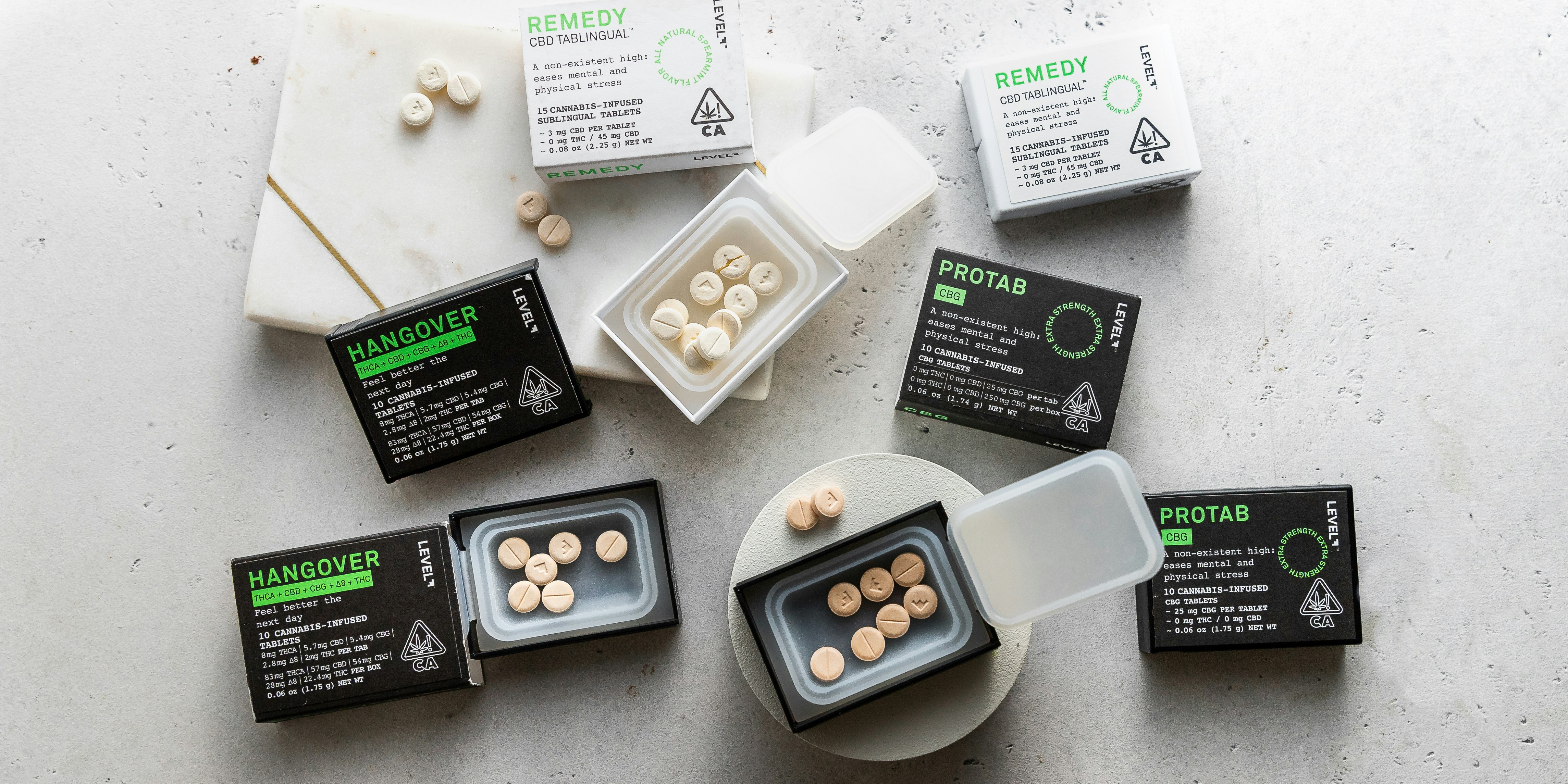
Clear, honest labeling reduces confusion and legal exposure. Labels should list total cannabinoid content with both THCa and delta‑9 expressed in milligrams and as a percentage, include a visible batch or lot number, manufacturing and expiry dates, and succinct safety warnings. Using a QR code that links directly to the lab report makes verification immediate and traceable-an industry best practice that fosters trust without cluttering the visible label.
Packing must protect consumers and help you demonstrate compliance. child-resistant and tamper-evident packaging, plain or non-appealing designs that avoid imagery attractive to minors, and opaque containers for concentrated products are practical steps that courts and regulators view favorably. Keep a standardized packaging spec sheet for each SKU so anyone inspecting your inventory sees the exact materials and closure systems used.
- Maintain on-file COAs for every incoming and outgoing lot.
- Use QR codes linking to immutable test results.
- Standardize label templates with required elements and batch info.
- Adopt child-resistant packaging and tamper seals for concentrates.
- Train staff to verify labels against COAs before sale.
| Label Element | Example |
|---|---|
| Total THCa | 120 mg (12%) |
| delta‑9 THC | 0.2 mg (0.02%) |
| Batch / Lot | LOT‑0426A |
| Lab QR Link | /coas/LOT‑0426A.pdf |
wrapping Up
The legal map around THCa in Florida is still being redrawn – what looks permissible today can shift with a new court ruling, regulation or enforcement priority tomorrow. For retailers that means vigilance matters as much as inventory: careful sourcing, obvious labeling, up‑to‑date product testing, and clear age‑verification procedures reduce risk and help build trust with customers and regulators alike.
If you sell or plan to sell THCa products in Florida, make monitoring statutory changes, agency guidance and local enforcement practices part of your regular routine, and consult a qualified attorney or compliance specialist before making major business decisions. for consumers, staying informed about where products come from and what the labels actually mean helps you make safer choices.
THCa’s place in Florida commerce will be settled by law,science and policy working in tandem. Until then,cautious compliance and timely information are the best compass for retailers navigating this evolving terrain.

