


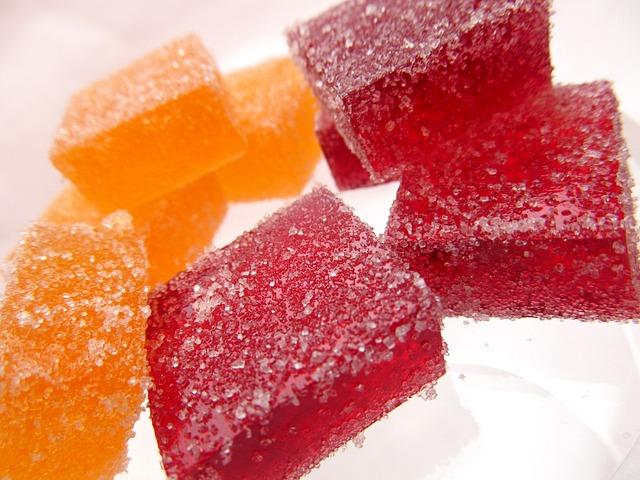
Shining, jewel-toned gummies glint from their jar like small promises: concentrated, plant-based, and labeled with numbers that suggest potency rather than playfulness. In an era when consumers demand both potency and provenance, high-potency vegan THCa gummies occupy an intriguing crossroads-combining a powerful cannabinoid profile with cruelty-free ingredients and an insistence on lab-verified transparency.
This article opens the jar on what those claims actually mean. We’ll look at THCa-the raw cannabinoid that becomes THC when heated-explain why some users seek concentrated formulations, and, crucially, examine the role of third-party testing in verifying potency and screening for contaminants. Rather than cheerleading trends or making health promises, the piece will guide curious readers through label claims, lab certificates, and the practical implications of choosing a high-potency, vegan, third-party-tested gummy in today’s complex marketplace.Whether you’re a seasoned cannabinoid consumer, a plant-based shopper exploring new options, or someone simply cautious about product transparency, this introduction sets the stage for a balanced exploration of safety, quality, and what to look for beyond the colorful packaging.
Reading Third Party Lab Reports: Key Metrics, Contaminants to Watch, and How to Verify Authenticity
Think of a lab sheet as the gummy’s passport: it shows identity, potency, and purity. Focus first on the practical numbers-potency per serving (mg THCa/gummy), the full cannabinoid profile (THCa vs Δ9-THC vs minor cannabinoids), and the limits of detection/quantification (LOD/LOQ). A small variance from the label is normal, but anything beyond ±10% should raise questions. Also check the report date and batch ID to ensure the COA corresponds to the product in your hand.
Contaminants are where safety and quality diverge. Look for clear pass/fail results and the actual numeric values for each analyte-numbers speak louder than vague statements. pay attention to the testing method used (GC-MS, HPLC) because some techniques are better suited to certain contaminants and cannabinoids.
- Pesticides - even trace levels matter; expect non-detect or values below regulatory limits.
- Residual solvents – should be below pharmacopeial thresholds (e.g., USP); watch for propylene glycol, ethanol, butane.
- Heavy metals – arsenic,lead,cadmium and mercury must be within safe ppb limits.
- Microbials – total aerobic count, E.coli, and Salmonella should be not detected or well below action levels.
- Mycotoxins – aflatoxins and ochratoxin A must be screened for in botanical ingredients.
Use the quick reference below when skimming COAs-numbers, accreditation and traceability are the easiest authenticity checks.Look for ISO/IEC 17025 accreditation, a visible lab name with contact info, a matching batch number, QR or link to the COA, and raw chromatograms for potency assays. If something is missing-ask the manufacturer or the lab for clarification; legitimate labs are transparent and responsive.
| Metric | what to Look For | example |
|---|---|---|
| Potency | Label ±10%, mg per gummy shown | 10 mg THCa/gummy |
| Δ9-THC | Below legal limit (and listed separately from THCa) | <0.3% w/w |
| Residual solvents | Below USP limits, numeric ppm given | Butane: ND |
| Accreditation | ISO/IEC 17025 or equivalent noted | ISO/IEC 17025 |

Selecting a Trustworthy Brand: Questions to Ask, Certificates to Request, and Retail Red Flags
Trust is earned with transparency.before you add a new product to your routine, ask straightforward questions that reveal how the company operates: Where is the hemp sourced? which extraction method is used? Can you provide batch-specific lab results? A reputable brand will answer these without hesitation, provide contact details for customer support, and list manufacturing locations.If answers are evasive or generic marketing language replaces specifics, consider that your first warning sign.
Request concrete documentation - not marketing copy. The most important document is a current, batch-specific Certificate of Analysis (COA) from an independent, ISO-accredited lab. Other valuable certificates include heavy metals and pesticide screens, residual solvents testing, microbial reports, and a terpene profile when aroma and effect are important. Below is a quick reference to what each document proves:
| Certificate | What it Verifies |
|---|---|
| COA (Potency) | Actual THCa/THC/CBD levels per batch |
| Heavy Metals | Lead, arsenic, cadmium, mercury safety |
| pesticide Screen | Absence of banned/agricultural chemicals |
| Residual Solvents | Clean extraction – no harmful solvents |
Watch for retail red flags that signal risk: vague ingredient lists or phrases like ”proprietary blend“ that obscure dosages; no batch numbers or expired COA dates; lab reports that are images without identifiers or that don’t match SKU numbers; and prices that seem too good to be true. Also be cautious of websites that make bold medical claims about curing conditions – reputable companies avoid medical promises and rather provide factual lab data and usage guidance.
verify what you receive. Cross-check COA batch numbers against the product packaging, scan any QR codes to confirm the lab report is hosted by an accredited provider, and confirm the testing lab’s accreditation (look for ISO/IEC 17025). If the company balks at verification or offers only generic lab summaries, it’s okay to walk away. A trustworthy brand expects scrutiny and makes verification effortless – that openness is one of the best indicators of quality.

Storage, Usage best Practices, and Legal Considerations for THCa Edibles
Store wisely - treat these high‑potency vegan gummies like delicate confections. Keep them in an airtight container away from heat, light, and humidity to preserve texture and potency; a cool, dark cupboard or pantry is ideal. For longer shelf life, refrigeration is acceptable (label the container to avoid accidental consumption), but avoid freezing if you want to preserve chewiness. Most importantly, keep all edibles well out of reach of children and pets and in their original, child‑resistant packaging whenever possible.
Use with intention: edible onset and duration are slower and longer than smoked products, so patience is your best friend. Begin with a low amount and wait – effects can take 60-120 minutes to peak and may last several hours. Track your dosing, avoid combining with alcohol or other central nervous system depressants, and plan activities accordingly (do not drive until you know how a dose affects you).
- Check third‑party lab results (COA) for cannabinoid profile and contaminants before trying a new batch.
- Start low – beginners: 2.5-5 mg equivalent; experienced: 10-20 mg,depending on tolerance.
- Test in a safe surroundings the first time and avoid operating machinery.
- Consult a healthcare provider if pregnant, nursing, or taking prescription medications.
Legal realities differ – THCa and hemp‑derived products occupy an evolving regulatory space.Some jurisdictions treat THCa like hemp (if delta‑9 THC is under legal thresholds), others classify it as a controlled substance. Always carry proof of purchase and the COA when traveling locally, and never transport edibles across state or international borders where laws differ. The quick snapshot below can definitely help orient you, but it’s no substitute for local legal advice.
| Regional Status | Practical Tip |
|---|---|
| Adult‑use Legal | Buy licensed, keep ID and COA on hand. |
| Medical‑only | Patient card or prescription might potentially be required. |
| Restricted/Prohibited | Avoid purchasing or transporting; penalties possible. |
To Wrap It Up
As the marketplace for cannabinoid products grows more crowded,high-potency vegan THCa gummies that come backed by third-party testing offer a welcome measure of clarity - a spotlight on potency,purity,and ingredient integrity. For shoppers who prioritize plant-based formulations and precise labeling, independently verified lab reports act like a compass, helping to separate serious producers from mere marketing.
Having mentioned that, the presence of a certificate of analysis is only one part of a wise purchase: check batch-specific results, understand potency and serving size, confirm legal status in your area, and choose brands that are transparent about sourcing and manufacturing. Treat product facts as data, not dogma, and pair it with your own needs and local regulations.
thoughtful selection and a little due diligence let these tested, vegan THCa gummies be judged on their merits rather than their claims – a practical, informed way to navigate a complex category.

