


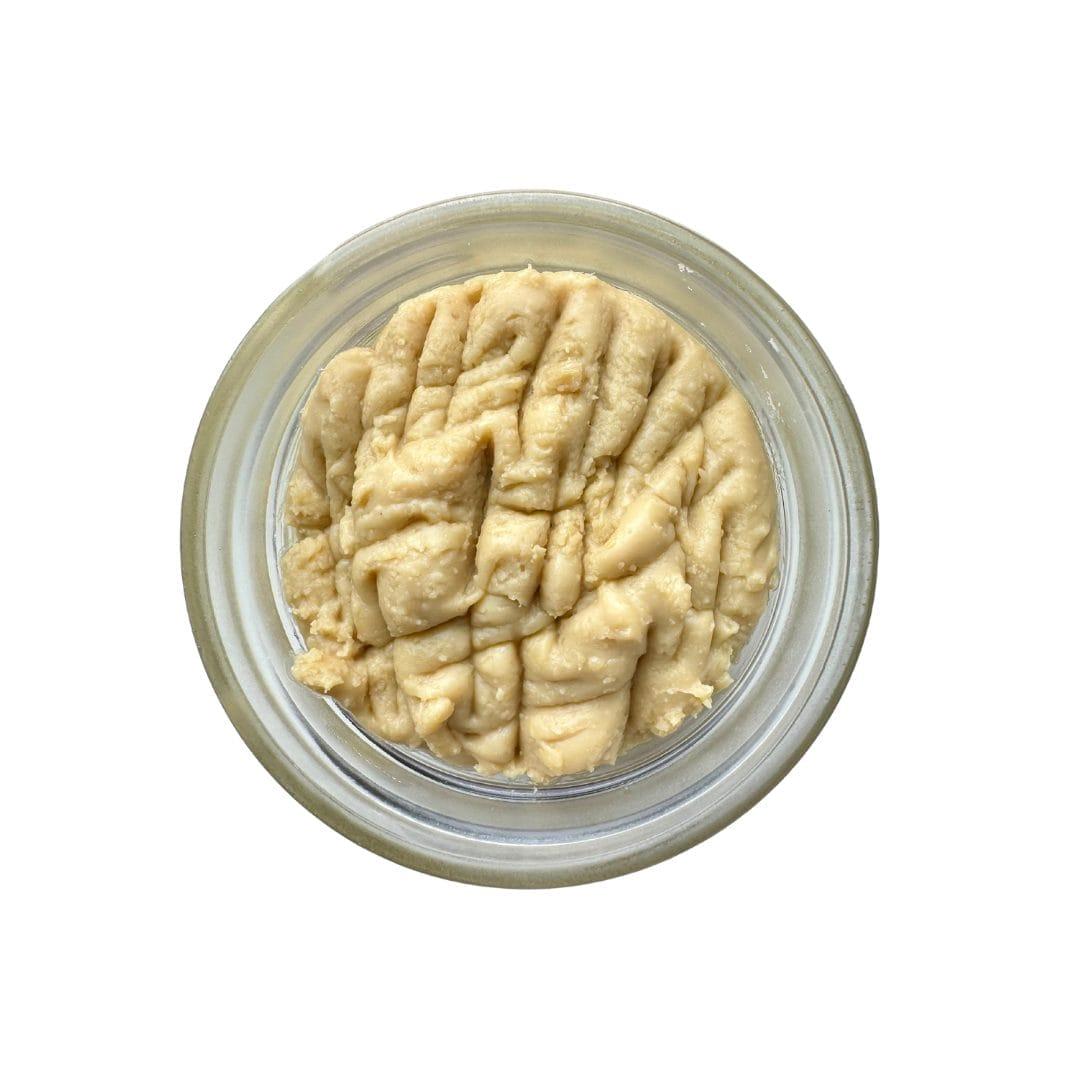
Like a weather map for the cannabis industry, THCa wholesale prices chart the shifting currents of supply, demand, regulation and innovation. From high-volume extraction houses in California to emerging processors in the Southeast, the list price on a pallet of THCa can signal much more than a line item on an invoice: it reflects crop yields, lab throughput, interstate policy, and the evolving uses of cannabinoid isolates across manufacturing and retail channels.
This article takes the pulse of the U.S. THCa market, reporting the latest national average and the market news that moves it. You’ll find a concise look at recent price trends, regional variations to watch, and the key drivers - regulatory changes, production bottlenecks, and buyer behavior – that market participants cite most frequently enough. Whether you’re a buyer tracking cost inputs, a seller benchmarking your offers, or a watcher of industry dynamics, this overview aims to clarify where the wholesale thca market stands today and what might nudge it next.
Short Term and Long Term Pricing scenarios With Practical Forecasts
In the near term, expect modest upward pressure on wholesale THCa as seasonal demand and inventory adjustments collide with selective supply constraints. Price volatility will be driven by harvest cycles, lab certification backlogs, and retail promos that temporarily siphon product flow.For many processors, a 5-15% swing in national average rates over a 90‑day window is a reasonable baseline scenario – short spikes for high‑purity crystallines and milder moves for bulk biomass.
Looking out over multiple years, structural forces are likely to push pricing into two competing directions: greater scale and efficiency exert downward pressure, while premiumization and regulatory clarity support a higher floor for top‑tier THCa products. expect a gradual compression in commodity biomass pricing alongside stabilization (and occasional premiums) for regulated, tested high‑THCa isolates. Below is a simple projection table of national average wholesale ranges across product tiers.
| Product Tier | 3 Months (USD/lb) | 12 Months (USD/lb) | 36 Months (USD/lb) |
|---|---|---|---|
| THCa crystalline (high purity) | $3,800 – $5,200 | $3,500 - $5,000 | $3,000 – $4,800 |
| High‑thca flower | $900 – $1,300 | $800 – $1,200 | $700 – $1,150 |
| Bulk THCa biomass | $250 - $420 | $220 – $400 | $180 – $380 |
For practical positioning, prioritize flexibility and data‑driven contracts. Useful tactics include:
- Layered forward contracts to smooth short‑term spikes without locking out upside.
- Quality‑segmented pricing – differentiate bids for tested,traceable THCa versus commodity biomass.
- Inventory cadence - align purchases with harvest and lab cycles to avoid price peaks tied to testing delays.
Key risks to monitor are abrupt regulatory shifts, interstate transport rulings, and rapid capital entry into extraction capacity. By combining conservative short‑term hedges with strategic long‑term partnerships, buyers and sellers can navigate the bifurcated market: one track where scale compresses commodity margins and another where branded, compliant thca commands steady premiums.
Margin Optimization for distributors and Retailers Through Inventory,hedging and Quality Tradeoffs
In a landscape where THCa wholesale prices react to harvest cycles,regulatory updates and shifting consumer demand,distributors and retailers win by treating margin management like a dynamic system rather than a static spreadsheet. Focused decisions around inventory, hedging and product quality determine whether national average price movements translate into profit or erosion. Short-term buys during a dip can protect margins,but onyl if storage,testing and time-to-shelf are optimized to avoid spoilage or failed compliance checks.
Practical levers for preserving and expanding margins include diversified purchasing, contractual hedges and selective quality segmentation. Below are actionable tactics that work in most U.S. markets:
- Staggered purchasing to avoid buying entire seasonal volumes at peak prices
- forward contracts with built-in quality clauses to cap cost exposure
- Quality tiers to capture premium buyers while moving lower-grade stock faster
- Consignment and vendor-managed inventory to reduce working capital pressure
- Dynamic local pricing tied to national averages and regional demand signals
| Strategy | Typical Margin Impact | Risk |
|---|---|---|
| Short-term buys + fast turnover | +3-6% | Medium (stockouts) |
| Forward contracts with quality clauses | +2-5% | Low-Medium (counterparty) |
| Tiered product blending | +4-8% | Medium (brand dilution) |
Quality tradeoffs are not only about price – they influence return rates, test-pass rates and shelf stability. investing in rigorous lab testing and clear grade labels lets retailers charge a meaningful premium while reducing the downstream cost of recalls and customer dissatisfaction. For commodities like thca, blending strategy (mixing higher-THCa lots with mid-grade loads) can preserve headline margins while maintaining supply continuity.
Execution demands clear KPIs and disciplined cadence. Track days of inventory, gross margin per SKU, shrinkage and the cost of hedging as percent of sales.Combine those metrics with supplier scorecards and weekly price monitoring tied to the national average to inform purchase triggers. When margin, inventory and quality are measured together, distributors and retailers can convert market noise into repeatable, defendable profits.
Future Outlook
As the numbers settle and the charts cool, THCa wholesale pricing in the U.S. remains a landscape shaped by harvest cycles, local rules, and shifting demand – a market where one region’s surplus can be another’s premium. The national average is a useful compass, but it’s the regional currents, compliance costs, and quality differentials that steer real decisions for growers, processors, and buyers.
Stay curious and data-driven: watch regulatory updates, monitor spot and forward prices, and factor in testing, packaging, and transport when comparing offers. In a market that can change with a season or a policy memo, the best strategy is informed flexibility rather than fixed expectation.we’ll keep tracking the trends so you don’t have to scan every spreadsheet yourself. Check back for the next update to see how the tides have shifted and what that means for the THCa supply chain and pricing across the nation.
