


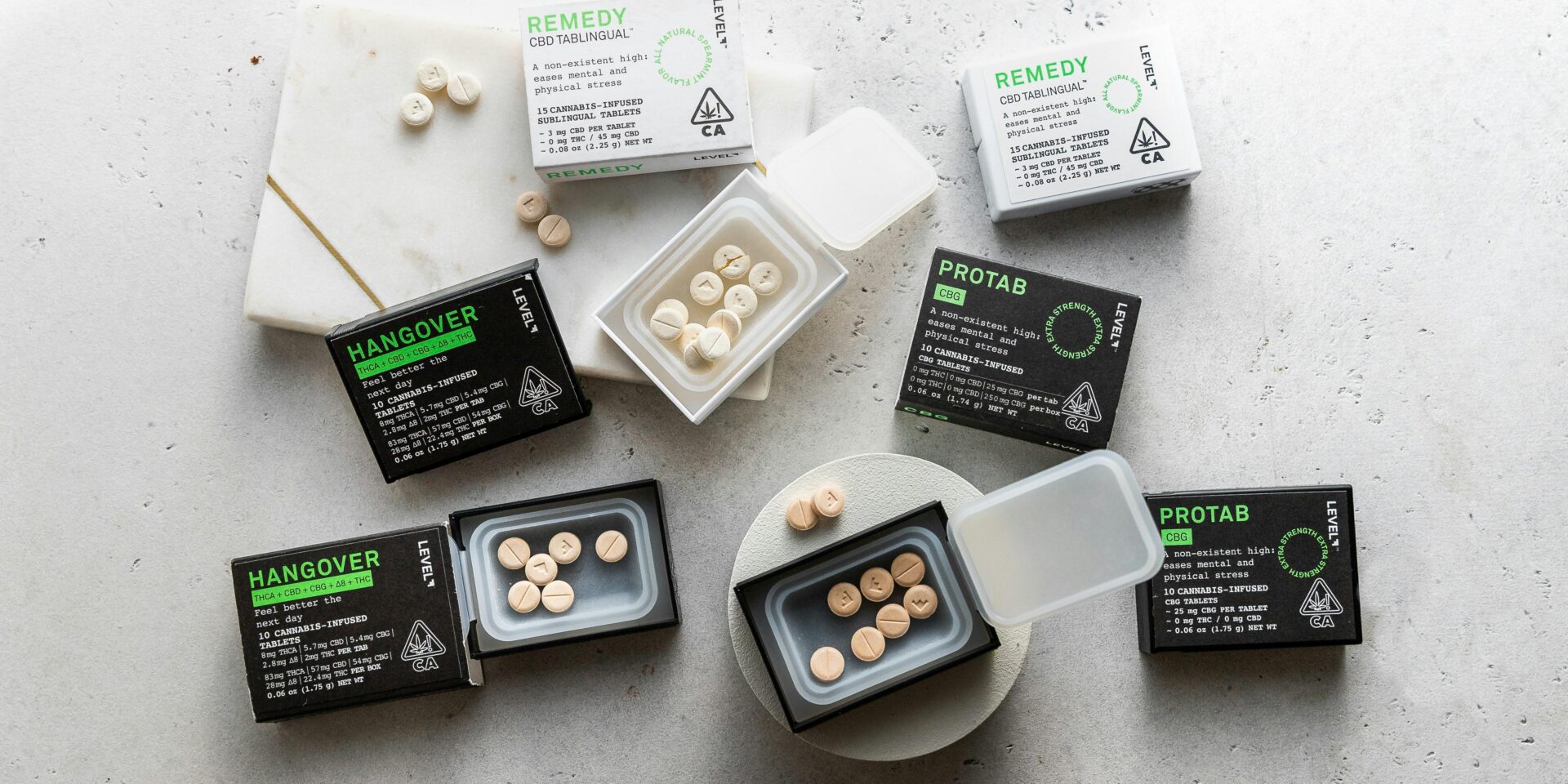
finding your way into the world of THCA can feel like stepping off a well-worn trail and into a foggy, fragrant forest. THCA Compass: Best Beginner Products & Guide is designed to be the lantern on that path – a clear,calm map that points out approachable products,basic how-tos,and the questions new users should ask before they try something different.
This guide steers clear of hype and promises, focusing instead on practical tips: what THCA is (and how it differs from THC), simple product types to consider, dosing basics for beginners, and sensible safety and legal checkpoints.Whether you’re curious about raw flower, tinctures, or the newest low-heat consumption options, the Compass breaks down the options in plain language so you can make informed choices.
Think of this as a primer and product shortlist rolled into one – creative enough to spark curiosity, neutral enough to let you decide what fits your life. Read on to learn the essentials, compare starter-amiable products, and find the direction that suits your needs.
Choosing Your First THCA Product: Potency Targets, Safety Considerations, and Lab Test Checklist
Think of your first pick as a compass point, not a destination. For newcomers, aim for lower-to-moderate potency so you can map how THCA behaves for you. For plant material,that often means looking at products labeled with THCA in the low double digits rather than concentrated extracts that spike into the high percentages.If you prefer liquids or edibles, prioritize clear milligram-per-serving labels – low-dose options (for example, servings marketed around 2.5-5 mg active cannabinoid) let you explore increments without overshooting.
Safety should steer every purchase. Always check for a recent Certificate of Analysis (COA) from a third‑party lab and confirm the lab is accredited. Watch for products that hide basic details: no terpene breakdown, no residual solvent panel, or missing heavy metal results are red flags. Keep packaging,batch numbers,and COA dates handy – they’re the threads you pull if anything feels off.
Before you trust a COA, scan for the essentials: potency, contaminants, and freshness. Below is a concise checklist you can use at-a-glance when comparing products. Treat it like a shopping checklist – if more than one item is missing, pause and choose another option.
- Cannabinoid profile (THCA, delta‑9 THC, CBD)
- Terpene analysis (aroma-driven effects)
- residual solvents and pesticide screens
- heavy metals and microbial contamination tests
- COA date, lab accreditation, and batch number
| Product Type | Beginner Potency Target | Why it works for starters |
|---|---|---|
| Flower / Pre‑roll | ~6-12% THCA | Familiar format; easier to titrate by small puffs |
| Tincture / Low‑dose edible | 2.5-5 mg per serving | Precise dosing and gentler onset/control |
| Concentrates | <50% THCA or skip initially | Potent – good to avoid untill you understand effects |

THCA Formats Demystified: Flower, Diamonds, Tinctures, Edibles and Best Use Cases for Beginners
Think of THCA formats as different tools in a starter kit – each delivers the same active molecule in ways that change how quickly you feel effects and how easy it is to control dose. Beginners often appreciate formats that are predictable and discreet. Flower gives a ritual and immediate feedback, diamonds are concentrated and potent, tinctures are precise and low-profile, and edibles are slow-building and long-lasting.
Choosing the right format comes down to lifestyle and tolerance. Common use-case cues to consider:
- Flower – fast onset,best for refining microdoses and social use.
- Diamonds – very potent, suited for experienced dosing controls or small, careful hits.
- Tinctures – measured drops for steady, sublingual uptake; ideal for daytime or discreet dosing.
- Edibles – long duration and strong after-effects; good for planned,extended relief and overnight use.
| Format | Onset | Duration | Beginner-friendly |
|---|---|---|---|
| Flower | Minutes | 1-3 hours | Yes (with microdosing) |
| Diamonds | Seconds-minutes | 1-4 hours | No (high potency) |
| Tincture | 15-45 minutes | 2-6 hours | Yes (precise dosing) |
| Edible | 30-120 minutes | 6-12+ hours | Caution (start very low) |
Practical tips: start low and go slow, keep a small log of dose and effects, and store products labeled away from light and heat. For most beginners, tinctures and low-dose flower offer the best balance of control and predictability, while edibles require patience and conservative dosing. Choose a format that fits your rhythm – occasional microdoses or planned sessions – and let that guide your first purchases.

Best Starter Picks for Beginners and Why These Products Make Sense
For someone just stepping into the world of THCA, simplicity wins. Products that deliver consistent, easy-to-control experiences let beginners learn how their body responds without overwhelm. Look for items with clear dosing data,obvious Certificates of Analysis (COAs),and mild potency ranges – these factors turn guesswork into guidance and make early sessions predictable rather than experimental.
- Low-dose tinctures: Measured dosing and sublingual governance mean effects are gradual and easier to titrate.
- Pre-measured gummies: Familiar format, clear milligram counts, and discreet use are ideal for first-timers.
- Disposable vapes (low mg): Fast onset and single-use simplicity help users test tolerance without long-term commitment.
- Topicals with THCA: Localized relief without systemic effects – good for cautious exploration.
These choices prioritize control, convenience, and clarity – the three pillars that make early experiences safe and informative.
Below is a fast-reference snapshot to help narrow options at a glance. Always double-check lab results and start with small amounts, waiting the recommended interval before adjusting your dose.
| Product | Best for | Typical Starter Dose |
|---|---|---|
| THCA Tincture | Precision dosing | 2-5 mg |
| Gummies | Discretion & ease | 2.5-5 mg |
| Disposable Vape | Fast feedback | 1-3 puffs |
| topical Balm | Targeted relief | Apply small amount |
buying, Storing, and Verifying Quality: Legal and Safety Steps Before you Purchase
Before you click “add to cart,” confirm the legal landscape where you live: local statutes, age limits, and possession caps vary wildly.check whether THCA is treated like THC in your jurisdiction-remember THCA can convert to THC when heated, which may affect legality. Look for clear vendor policies on returns and shipping, and always buy from licensed retailers or reputable brands. If a product sounds too cheap or lacks basic labeling, treat it as a red flag rather than a bargain.
Quality verification should be systematic, not guesswork. Demand a current third‑party Certificate of Analysis (COA) that shows cannabinoid potency plus screens for pesticides, residual solvents, heavy metals, and microbial contaminants. Scan for batch numbers or QR codes and compare COA batch IDs to the package; if those don’t match, walk away. Use these quick checks before purchase:
- COA present and recent (within 12 months)
- Batch ID matches the label
- Contaminant panels clear (no concerning pesticide/solvent peaks)
- Transparent dosing guidance for edibles and tinctures
If in doubt, contact the brand’s customer service or the lab listed on the COA for verification; good vendors welcome scrutiny.
Proper storage extends freshness and safeguards safety. Store products in a cool,dark place in airtight containers and keep them out of reach of children and pets-childproof packaging and clear labeling are non‑negotiable.Below is a quick storage cheat‑sheet for common forms:
| Product | Ideal Temp | Typical Shelf Life |
|---|---|---|
| Flower | 60-70°F, dark | 6-12 months |
| Concentrates | Cool, airtight | 12+ months |
| Edibles | Refrigerate if perishable | Weeks to months |
label home‑stored items with purchase date and product details, and discard anything that smells off, shows mold, or has compromised packaging. Safety is part legality, part common sense-keep both in check and you’ll be better prepared for a confident, compliant purchase.
Closing Remarks
Every journey needs a map – and a steady sense of direction.Whether you came here curious about the difference between raw THCA and active THC, looking for a gentle starter tincture, or trying to decode COAs and dosing charts, the goal is the same: informed choices that fit your needs and comfort level. Remember that THCA behaves differently from THC (it’s the non‑intoxicating precursor that can become psychoactive when heated), so the product form, readiness and lab testing matter.
Start slow, check the label and certificates of analysis, and think about desired effects before you buy.If you’re trying something that could convert to THC with heat,plan accordingly; if you’re taking medications or have health concerns,a clinician familiar with cannabinoids is the best source of personalized guidance. Keep legal status in mind – laws vary by place and can change.
As you test the waters, take notes on dose, method, and effects. Join forums and local groups to exchange practical tips, and keep returning to trusted retailers and lab‑tested brands as you refine what works for you. Scientific understanding of THCA is still evolving, so curiosity paired with caution will serve you well.
If this guide helped orient you, bookmark it and check back for updated recommendations and new beginner picks. Wherever your path leads, let solid information be the compass.

