


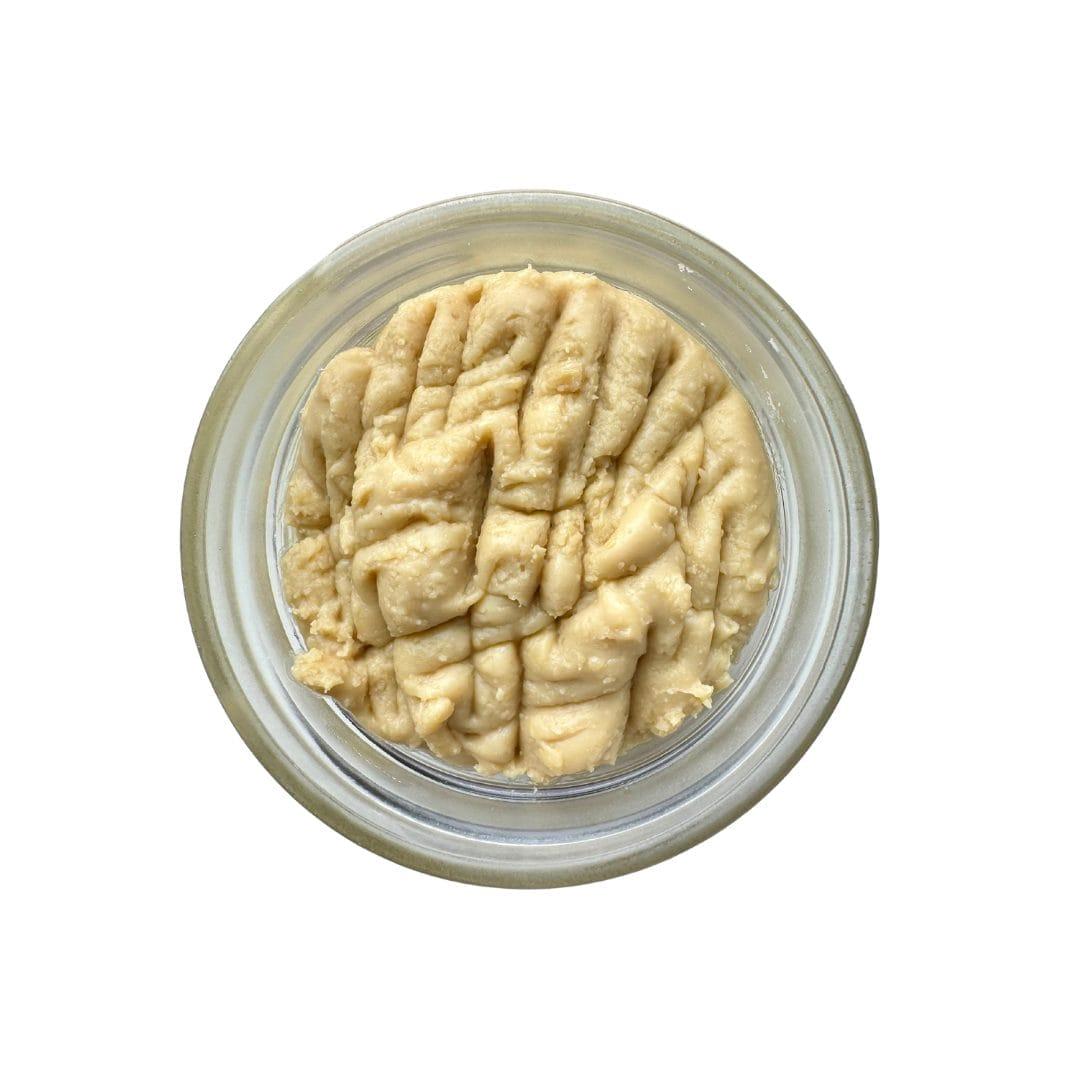
Like the quiet chemistry that turns a seed into a shoot, THCA has been moving quietly through the margins of the cannabis economy into the spotlight. Tetrahydrocannabinolic acid (THCA) – the non-intoxicating precursor to THC found in fresh hemp and cannabis plant material – is reshaping product assortments,retail strategies,and regulatory conversations across the United states. As consumers and companies experiment with raw cannabinoid offerings, the market for THCA is emerging as a distinct category with its own sales patterns, price dynamics, and legal nuances.
This article takes a data-first look at the U.S. THCA market forecast,synthesizing recent sales figures,regional performance,product trends,and regulatory developments to map plausible trajectories for the next several years. Rather than offering wishful thinking or sensational claims, the analysis frames growth scenarios, highlights key demand drivers (from wellness-oriented consumers to novel product formats), and identifies risks that could alter the outlook - including policy shifts, supply-chain bottlenecks, and lab testing standards.
Whether you are an investor sizing opportunity, a retailer shaping assortment, or a policy analyst tracking market signals, this piece aims to convert the complexity of raw sales data into clear takeaways. Ahead: the numbers, the trends that animate them, and what they imply for the evolving place of THCA in the U.S. cannabinoid marketplace.
U.S. THCA Market Snapshot and Sales trajectories
U.S.THCA activity has shifted from niche curiosity to measurable commercial momentum: estimated retail sales climbed into the low hundreds of millions last year, driven by both mainstream curiosity and targeted product innovation. Year-over-year spikes are strongest in newly regulated adult-use markets and in states where testing transparency and shelf-ready formats (vapes,pre-rolls,and concentrates) have improved consumer confidence. While volatility remains – pricing pressure and batch variability are real – the market is increasingly showing the hallmarks of an emerging consumer category rather than a passing trend.
Several repeatable forces are shaping short-term trajectories and will determine whether growth accelerates or stabilizes into steady expansion. key drivers include:
- Regulatory clarity – labelling and testing rules create buyer trust and broaden distribution.
- Product format innovation – convenient, consistent formats expand repeat purchase behavior.
- Distribution expansion – delivery and dispensary rollouts lift accessibility.
- Price normalization – competitive pricing reduces churn and attracts mainstream buyers.
| Format | Q4 Sales ($M) | YoY |
|---|---|---|
| Flower/Pre-rolls | 42 | +37% |
| Vape Cartridges | 28 | +22% |
| Concentrates | 18 | +45% |
| Edibles & Tinctures | 12 | +15% |
Looking ahead, expect a blend of tactical expansion and structural consolidation. Models projecting a moderate growth scenario suggest compounded annual growth in the mid-20% range over the next three years as more states clarify THCA pathways and retail partners optimize assortments. under a more optimistic path – driven by fast regulatory wins and major CPG interest – adoption could outpace current forecasts, pushing unit volumes higher even as margins compress. Ultimately, the balance between investment in compliance, consistent product experience, and smart go-to-market partnerships will decide whether THCA becomes a mainstream shelf staple or remains a specialty segment for enthusiasts.
Actionable Strategies for Brands Investors and Retailers
Differentiate through transparency and education. Brands should treat THCA as a premium ingredient: invest in third-party lab certificates, clear dosing guides, and storytelling that ties cultivation practices to consumer benefits. Focus on packaging that communicates compliance and leaf-through clarity rather than hype, and build partnerships with micro-cultivators to lock in unique genetics and stable supply. Tactical moves include:
- Publishing lab results and harvest stories on product pages
- Creating tiered SKUs (starter, mid, premium) to capture different buyer journeys
- Running compliant in-store demos and digital education series to reduce buyer friction
Quantify risk and upside with scenario-driven investing. Investors should model regulatory shifts and retail adoption rates across states rather than relying on a single national forecast. Prioritize companies with diversified downstream channels, strong compliance history, and unit economics that tolerate short-term price compression. use a compact KPI dashboard to guide decisions:
| Metric | Target | Why it matters |
|---|---|---|
| Gross margin | >40% | Buffers price volatility |
| Repeat purchase rate | >30% | Signals brand loyalty |
| Regulatory-ready score | high | Reduces market-entry friction |
Optimize the shelf and the checkout funnel. Retailers should treat THCA as a discoverable category: cluster related skus, feature clear educational signage, and align pricing promos with inventory turnover targets. Train floor staff to explain potency and legal constraints, and use loyalty programs to capture repeat customers for future launches. Rapid wins include localized assortments, bundling low- and high-price SKUs, and A/B testing promo durations to find the sweet spot between velocity and margin.
Wrapping Up
As the smoke of early-market hype clears, the THCA landscape in the U.S. looks less like a sudden blaze and more like a forest of emerging growth – uneven, shaped by local climates of regulation, consumer taste, and retail access.Sales data points to pockets of rapid expansion balanced by areas of cautious uptake; the next chapters will be written where policy, product innovation, and transparent analytics intersect.
For stakeholders – growers, retailers, analysts, and policymakers – the imperative is steady observation rather than bold prediction. Track unit sales, price trends, and regulatory shifts at the state level; triangulate consumer behavior with supply-chain signals; and treat early datasets as directional, not definitive. Scenario planning and responsive strategies will serve better than fixed assumptions.
Ultimately, the THCA market forecast is less a single destination than a series of waypoints. expect volatility, expect pockets of acceleration, and expect that the most reliable insights will come from continual data refreshes and careful interpretation. Watch the indicators,adjust as evidence emerges,and let the evolving numbers guide the next move.
