imagine walking into a garden where the plants are whispering science rather of secrets. In the world of cannabis, THCa is one of those quiet, curious molecules – present in the living, uncured plant, understated and easily misunderstood. This article, “THCa Unveiled: A Plain, friendly Introduction,” is here to strip away jargon and give you the clear, calm rundown: what thca is, how it differs from the more familiar THC, and why people are suddenly paying attention.
At its simplest,THCa (tetrahydrocannabinolic acid) is the non-intoxicating precursor to THC found in raw cannabis. Heat or time can convert it into the well-known compound that produces a high, but THCa itself behaves differently and sits in a different corner of both science and law. Researchers are still learning about its properties,and conversations about its uses and legal status can get tangled – so a straightforward,balanced look is overdue.
In the pages that follow we’ll gently unpack the chemistry, separate fact from hype, touch on what early research and regulations say, and offer practical notes for curious readers. No assumptions, no acronyms without explanation – just a friendly guide to help you make sense of thca and the questions people commonly ask about it.
Safety and legality explained: practical guidance for buying, using, and testing THCa products
Know the law where you live. THCa sits in a gray area in many places because it isn’t psychoactive until heat transforms it into Δ9‑THC. That technicality can make a product legal on paper but still risky in practice – especially if it’s heated, smoked, or cooked. Before buying, check state and national statutes, licensing requirements for retailers, and any transport limits. If you need certainty for travel or employment, ask a legal professional or local regulator rather than relying on labels or storefront promises.
When shopping, prioritize traceability and transparency.Buy from licensed vendors and insist on a current, batch‑specific Certificate of Analysis (COA) from an accredited third‑party lab. Look for clear ingredient lists, lot numbers, and child‑resistant packaging. A simple checklist to bring with you or use online:
- COA present – confirms potency and contaminants
- Cannabinoid breakdown – THCa vs. Δ9‑THC clearly reported
- contaminant screens – pesticides, heavy metals, residual solvents, microbes
- Clear labeling – serving size, warnings, batch number, expiration
testing and safe use go hand in hand. Learn to read COAs: check methods,lab accreditation,and whether results list THCa separately from THC. Watch out for high THCa products that can become intoxicating if heated – edibles,dabbing,or vaping change the chemistry and may trigger legal or safety consequences.For harm reduction, adopt a “start low, go slow” approach, avoid operating vehicles while uncertain of effects, keep products away from children and pets, and consult a healthcare provider if you take medications that affect the liver or the central nervous system.
Storage and disposal matter more than you might think. keep THCa products cool, dark, and airtight to slow conversion to THC and preserve terpene profiles. When it’s time to discard,follow local hazardous-waste guidance or the return/disposal options at licensed dispensaries – don’t flush or throw uncontained products where children or animals might access them.
| Rapid Safety Check | Why it matters |
|---|---|
| COA available | Verifies potency and contaminant testing |
| THCa vs Δ9 clearly listed | Shows risk of psychoactive conversion |
| Licensed seller | Legal accountability and product standards |
| Child‑resistant packaging | Prevents accidental ingestion |
Shopping smart for THCa: how to read labels, evaluate lab reports, and pick reliable vendors
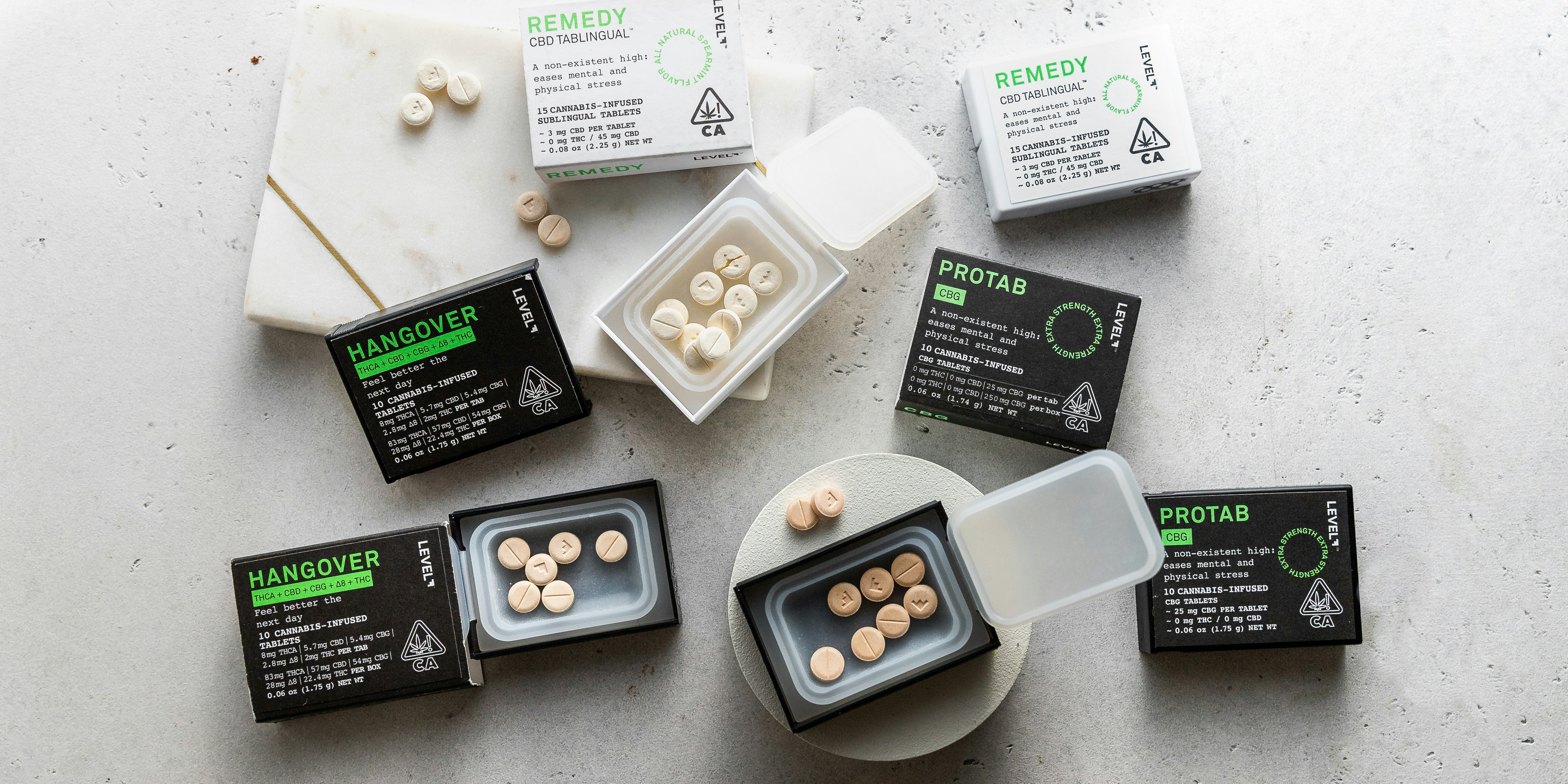
Start by treating the package like a mini lab: look for THCa percentage by weight (or mg per serving), the product’s net weight, and a clear serving sizebatch/lot number and a production or expiration date-these make it possible to match the item to a certificate of analysis. Avoid vague marketing terms like “supreme” or “doctor-formulated” without backing details, and favor products that disclose extraction method and full ingredient lists.
Certified third‑party testing is your map.A legitimate certificate of analysis (COA) will show the lab name (preferably ISO-accredited), the test date, and the exact batch or lot number. Look for these essentials on the COA:
- Cannabinoid profile – THCa, THC, CBD and total cannabinoids clearly reported.
- Contaminant screens – pesticides, heavy metals, microbial contaminants and residual solvents.
- Terpene analysis – useful but optional; indicates aromatic profile and processing care.
If numbers don’t add up (e.g., total cannabinoids far exceeds label claims), the COA doesn’t match, or the lab refuses to provide a downloadable report, consider that a red flag.
When choosing a seller,prioritize transparency and traceability. Reliable vendors publish COAs for each batch, explain cultivation and extraction practices, and provide clear contact details and return policies. Good signs include responsive customer service, detailed product pages, and third‑party reviews. Watch out for these warning signs:
- Only vague photos or no batch numbers.
- COAs older than the product’s stated production date or missing lab accreditation.
- Prices that seem unrealistically low for the claimed potency and purity.
| Quick Checklist | What to look for | Red flags |
|---|---|---|
| Label | THCa %,serving size,lot number | Missing batch info |
| Lab report | ISO lab name,recent date,contaminants tested | No downloadable COA |
| Vendor | Traceability,clear policies,responsive support | Opaque sourcing,unrealistic claims |
In Summary
As we close the cover on THCa,think of it as one page in a much bigger book about the cannabis plant – familiar yet quietly complex,promising curiosity without grand promises. Whether you’re a newcomer, a careful researcher, or simply curious, remember that knowledge is the best compass: look to reliable sources, be mindful of local laws, and talk with a healthcare professional if you have questions about effects or interactions. THCa may not be the loudest headline in the cannabis story,but it’s a subtle one worth understanding. Keep exploring with an open, informed mind, and let good information guide your next steps.