


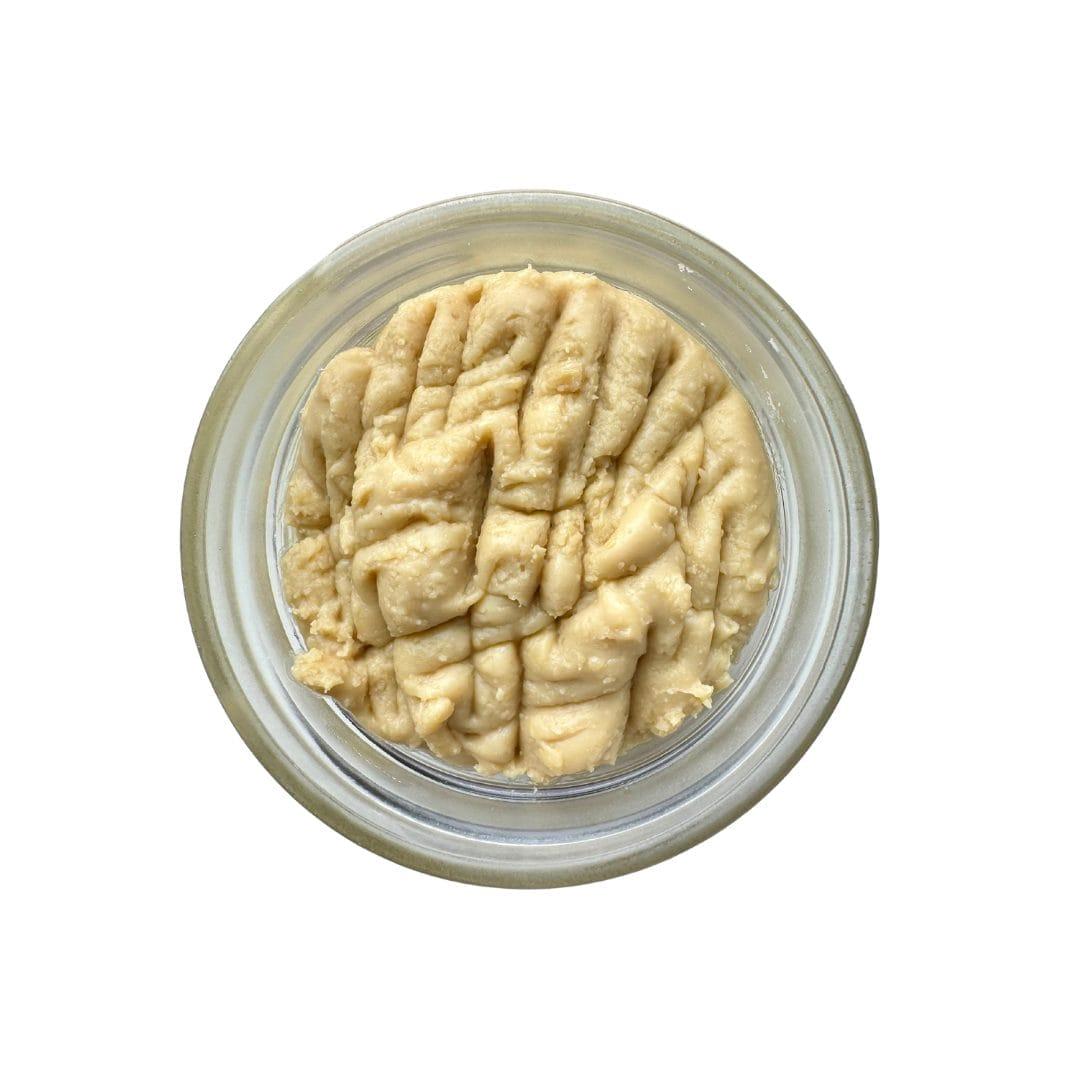
A new map is emerging across the United States - not of highways or weather patterns, but of a molecule quietly reshaping markets, research agendas, and regulatory debates. From coastal laboratories to inland cultivation facilities, THCA has become a focal point for growers, policymakers, clinicians, and investors trying to read the shifting contours of a complex industry. this state-by-state analysis aims to translate those contours into a clear, navigable picture.
THCA (tetrahydrocannabinolic acid) is the non-intoxicating chemical precursor found in raw cannabis plants that,under certain conditions,can transform into familiar cannabinoids. Its production,sale,and study are governed by a patchwork of state laws,licensing frameworks,consumer preferences,and economic forces - all of which vary widely from one jurisdiction to the next. by mapping growth in cultivation, commercial availability, regulatory shifts, and research activity, we can see were THCA markets are robust, where they are nascent, and where legal ambiguity stifles progress.
This article walks through that landscape,state by state,combining public data,regulatory timelines,and market indicators to highlight hotspots,emerging trends,and policy implications. Rather than advocate for any single outcome, the analysis aims to inform – offering stakeholders a grounded view of how THCA is evolving across the country and what that evolution may mean for public health, commerce, and future regulation.
Regulatory Patchwork and Legal Barriers Influencing State by State Expansion
The legal landscape for THCA resembles a mosaic stitched from vastly different fabrics: federal ambiguity, state statutes, county ordinances and municipal zoning all layered on top of one another. Some jurisdictions treat THCA as a hemp-derived product and allow commercial pathways, while neighboring states classify it closer to controlled cannabinoids, leaving entrepreneurs navigating a maze of permits, testing protocols and labeling mandates. The result is unpredictable timelines for licensing and a marketplace that can expand quickly in one county and stall in the next.
Practical barriers multiply as regulators interpret federal guidance differently and courts weigh in sporadically. Operators face a constellation of constraints that shape where and how they can grow, process or sell THCA goods. Common obstacles include:
- Licensing complexity: multiple permit tiers, staggered application windows
- Testing & compliance: inconsistent methods and pass/fail thresholds
- Banking access: limited financial services for cannabis-adjacent firms
- Local bans & zoning: municipalities opting out or restricting retail and cultivation
These elements don’t simply add costs – they alter business models, push activity into informal markets, and create uneven consumer access across borders.
To illustrate how disparate rules translate into real-world outcomes, the table below highlights representative scenarios in a few states and the typical impact on THCA growth. Use this snapshot as a way to spot regulatory patterns rather than legal advice.
| State | Primary Barrier | Typical Impact |
|---|---|---|
| California | Local bans & complex licensing | Patchwork access; strong compliance ecosystem |
| Texas | Restrictive state policy | Limited legal market; enforcement-driven uncertainty |
| Colorado | Clearer regulatory framework | Predictable growth; robust testing standards |
| Florida | Ambiguous definitions & variable enforcement | Market hesitancy; legal gray zones |
Public Health, Safety Protocols and Laboratory Standards recommendations for Policymakers
Policymakers should anchor regulation in measurable, harmonized standards that protect consumers and workers while enabling scientific progress. A pragmatic framework balances statewide adaptability wiht interstate consistency: set minimums for laboratory competence, require transparent reporting of THCA concentration and related impurities, and mandate real-time surveillance to detect harmful trends. These measures reduce public health risk without stifling legitimate research and commerce.
At the laboratory level, implement clear technical requirements and oversight. Core elements include:
- Accreditation – laboratories must pursue ISO/IEC 17025 or state-equivalent accreditation to ensure methodological rigor.
- Validated methods – require standardized, peer-reviewed protocols for THCA quantification and impurity screening (e.g., solvents, pesticides).
- Quality assurance – enforce proficiency testing, blind replicates, and documented chain-of-custody to preserve sample integrity.
- Transparent reporting – publish limits of detection, measurement uncertainty and lot-specific results in machine-readable formats for public health use.
Health and safety protocols should focus on prevention, education and rapid response. establish mandatory worker safety training, ventilation and PPE standards for cultivation and extraction facilities, and enforce safe waste disposal for solvent and biomass residues. Require consumer-facing labeling that clearly communicates THCA levels, potential psychoactivity once decarboxylated, and recommended use precautions. Pair labeling rules with public-awareness campaigns and poison-control linkages so clinicians and citizens can respond quickly when exposures occur.
Governance must include funding, data sharing and adaptive oversight: invest in state lab capacity, create interstate data agreements, and require periodic review of standards as science evolves. The table below offers a concise baseline that policymakers can adapt by risk tier or production scale.
| Metric | Baseline Standard | Policy Role |
|---|---|---|
| Analytical Precision | ±10% CV at reporting level | Regulate via proficiency tests |
| Reporting Limit | ≤0.01% THCA w/w | Ensure consumer safety |
| Labeling Threshold | Disclose >0.1% THCA | Public information mandate |
Closing Remarks
As the data points settle into place, the picture that emerges is less a single story than a shifting mosaic: pockets of rapid expansion, regions of cautious regulation, and places where uncertainty still casts long shadows. Mapping THCA growth state by state reveals patterns of chance and constraint, but also underscores how local rules, market forces, and scientific capacity intersect to shape very different realities across the country.
For policymakers, researchers, businesses, and communities alike, this overview is a tool – not a verdict.It highlights where infrastructure, oversight, or further study might potentially be needed, and where lessons from one jurisdiction could inform another. Above all, it reminds us that robust, transparent data and clear dialog are essential if stakeholders are to navigate both risks and benefits responsibly.
Ultimately, the map is a snapshot of a landscape in motion. As laws shift, technologies advance, and public attitudes evolve, the contours of THCA growth will continue to change. Keeping that map current will require ongoing attention - and a willingness to read the next chapter with curiosity and care.
