


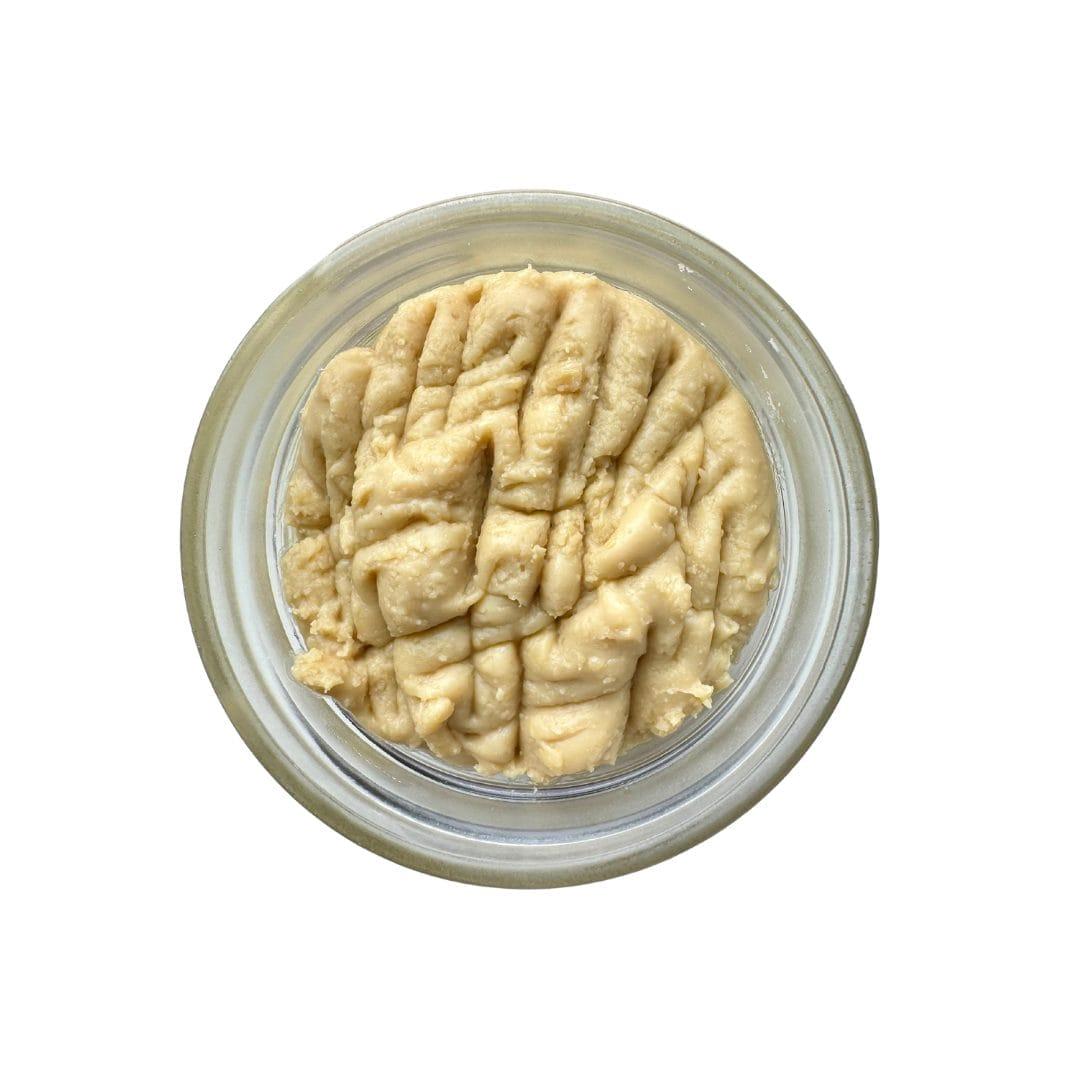
Like a shoreline after a storm, the market for THCa products is reshaping itself – familiar contours remain, but the sand has shifted. Once a niche curiosity in dispensary cases and boutique online shops, THCa has moved into broader circulation, and with that wider availability comes a new, more visible force: falling prices.
This article takes a clear, data-driven look at how price declines are unfolding across product types – from raw flower and live resin to vapes, isolates, and infused edibles – and what those shifts mean for consumers, retailers, and producers.Rather than cheer or lament, we map the mechanics behind the slide: supply expansion, production efficiencies, regulatory changes, and evolving consumer preferences.
Expect a breakdown of category-specific trends, buying patterns that are responding to lower price points, and the practical implications for quality, accessibility, and competition. The goal is to give you a balanced portrait of where THCa pricing stands today and how that trajectory might alter the choices peopel make at the counter tomorrow.
Vape Cartridges and Disposable Pen Trends: Price Sensitivity and Safety Focused Recommendations
As competition and production efficiencies push retail prices downward, buyers are treating vape cartridges and disposable pens more like commodity goods – swapping brand loyalty for the best value per puff. This has sparked a wave of experimentation: some consumers buy single-use disposables for casual, low-commitment use while others return to cartridges for refillable economies of scale. The net effect is a market where lower prices increase consumption but also amplify variability in product quality, especially for THCa formulations that require careful handling to preserve potency.
Lower price points can mask hidden trade-offs. Cost-driven manufacturers sometimes shortcut testing or use less-pure diluents and cutting agents that effect vapor quality and safety. Battery and connection standards also vary widely; cheap pens may lack overcharge protection or have poorly ventilated cartridges that increase burn risk. For THCa in particular, look for clarity around extraction method and residual solvent testing - right now, the safest buys are the ones that provide clear, up-to-date lab documentation.
- Verify COAs: Always check a current Certificate of Analysis that reports THCa potency, solvents, and contaminants.
- Prioritize regulated batteries: Choose devices with overheat and short-circuit protection rather than the lowest-cost cells.
- Mind dosing: Start low and track effects; cheaper products frequently enough vary batch-to-batch.
- Inspect packaging: Child-resistant seals, tamper-evident labels, and clear ingredient lists are non-negotiable.
- Recycle responsibly: Disposable pens are convenient but create e-waste – opt for take-back programs when available.
| format | Price Range | Convenience | Safety notes |
|---|---|---|---|
| Cartridges | Mid – refillable options save over time | high – reusable batteries, replaceable carts | Better when paired with regulated batteries and COAs |
| Disposables | Low – attractive for single-use buyers | Very high – no maintenance required | Higher variability; watch for poor battery safety and lack of testing |
Edibles and Topicals: Bundling, Dosage Transparency, and Cross Selling Strategies
As consumers notice lower shelf prices, packages that pair chewy gummies with a soothing balm create a new perception of value – a practical, ritual-ready set rather than two separate impulse buys. Smart sellers are crafting combinations that speak to occasions: a daytime microdose gummy with a light topical for gym recovery,or a higher-dose evening gummy with a sleep-focused salve.These curated pairings both simplify decision-making and justify slightly higher order values even in a price-sensitive market.
Clear labeling has shifted from optional to expected. modern buyers demand instant answers: how many milligrams per serving, whether the THCa is decarboxylated in the edible, and the intended onset window for both ingestibles and topicals. Presenting this information in bold, standardized blocks on product pages - with rapid-access toggles for “microdose,” “standard,” and “therapeutic” – reduces returns and increases trust. transparency becomes a brand differentiator, especially when price drops invite comparison shopping.
Cross-selling thrives when it feels helpful, not pushy. Use contextual prompts like product recommendations during checkout (“Pair with: cooling roll-on for post-workout”) and leverage kits that invite exploration without overwhelming. Effective tactics include:
- Guided bundles: prebuilt kits for specific outcomes (relief,sleep,focus)
- Tiered dosing: samples + full-size to let customers test potency
- Browse nudges: “Customers who bought this also used…” with clear dosage notes
Below is a quick reference designers and merchandisers can use when assembling offers. The table focuses on simplicity: what’s inside the bundle, the price point after the drop, and the per-serving THCa clarity that consumers now expect.
| Bundle | Contents | Price | THCa/serving | Suggested use |
|---|---|---|---|---|
| Day Starter | 10×2mg gummies + cooling balm 15ml | $19.99 | 2 mg | Light focus & post-workout |
| Evening Ease | 6×8mg gummies + sleep salve 20ml | $29.99 | 8 mg | Relaxation & night care |
| Try-Me Kit | 3×1mg gummies + balm sample | $9.99 | 1 mg | Microdosing introduction |
Concluding Remarks
As prices ebb across THCa product lines,the market is revealing its contours: commoditization in some categories,premiumization in others,and a shifting interplay between value-seeking shoppers and experience-driven buyers.The immediate headline – a general price drop – is only the first layer; beneath it are supply adjustments,competitive positioning,and changing consumer expectations that will shape which products settle into long-term demand and which will need to reinvent themselves.
For businesses and observers, the coming months will be a test of agility. Brands that can clearly communicate quality,differentiate by format or effect,and adapt distribution to where consumers are actually buying will be better positioned than those that rely solely on price.Regulators and analysts should likewise watch how pricing pressures affect product safety, labeling, and market access, since those factors ultimately influence consumer trust.
In short, falling prices are a signal, not a storybook ending.They invite a closer look at why different product types are moving in different directions, and they set the stage for the next chapter in a maturing THCa market. Stay attentive to the metrics - unit economics, penetration by format, and emerging consumption patterns - to understand how the market will reconfigure itself as the dust settles.
